
The Real Costs of Closing on a Home

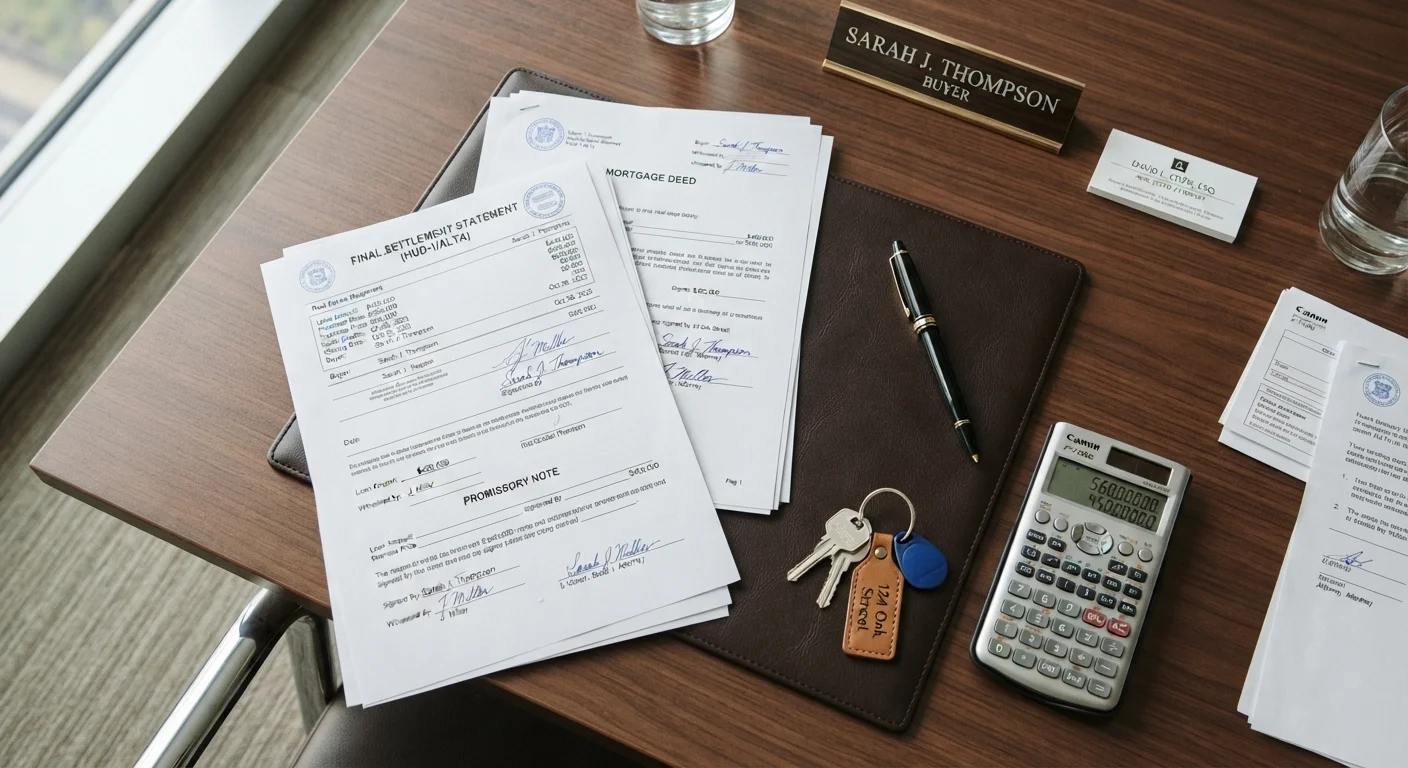
Photo: BridgeWish.com | Reliable Source Of Information editorial
What Are Closing Costs?
Closing costs are the fees and expenses a buyer (and sometimes a seller) pays to finalize a home purchase — everything beyond the down payment itself. They cover a wide range of services: title research, loan origination, property appraisal, government recording fees, and more. For most buyers, these costs arrive as a surprise because they aren't always discussed upfront during the home search.
As part of the broader homebuying process, understanding closing costs early helps you plan realistically rather than scrambling at the finish line. If you're still getting oriented, our guide on what first-time buyers need to know covers the foundational concepts before you start house hunting.
How Much Should You Expect to Pay?
Closing costs typically range from 2% to 5% of the home's purchase price, though the exact total depends on your loan type, location, lender, and the specific services required. On a $350,000 home, that translates to roughly $7,000–$17,500 in closing expenses — separate from your down payment.
2%–5%
Typical closing cost as % of home price
Industry-standard estimate commonly cited by mortgage lenders and housing agencies.
$7,000–$17,500
Estimated closing costs on a $350,000 home
Calculated using the 2%–5% range; actual totals vary by state, lender, and loan type.
3 days
Time lender must provide Loan Estimate
Required by federal TRID regulations after a completed mortgage application is submitted.
Lenders are required by federal law to provide a Loan Estimate within three business days of receiving your mortgage application. This document itemizes expected closing costs so you can compare lenders and anticipate your final cash-to-close figure. Three business days before closing, you'll receive a Closing Disclosure, which confirms the actual amounts. Review both documents carefully and ask your lender to explain any line item you don't recognize.
Our plain-language breakdown goes deeper into each fee category if you want a more detailed reference.
Who Pays What at Closing?
Responsibility for closing costs is divided — but not always evenly — between buyers and sellers. Buyers typically cover the majority of fees tied to their mortgage and due diligence. Sellers generally pay real estate agent commissions and certain transfer taxes, though these can vary significantly by state and local custom.
Loan Estimate
A standardized three-page form your lender must provide within three business days of your mortgage application. It outlines projected closing costs, interest rate, and monthly payment so you can compare loan offers.
Closing Disclosure
A final document provided at least three business days before closing that details the actual closing costs, loan terms, and cash needed to close. It should be compared closely against your Loan Estimate.
Escrow Account
An account managed by your lender to collect and pay property taxes and homeowners insurance on your behalf. An initial escrow deposit is typically required at closing.
Seller Concession
An agreement in which the seller pays a portion of the buyer's closing costs, often as part of negotiating the purchase offer. Loan programs may cap the amount allowed.
Title Insurance
A one-time premium paid at closing that protects against ownership disputes, liens, or errors in public records discovered after purchase. Lenders usually require a lender's policy; an owner's policy is optional but recommended.
Origination Fee
A charge by the lender for processing your loan application, underwriting, and funding the mortgage. It may be expressed as a flat fee or a percentage of the loan amount.
In some markets, buyers negotiate with sellers to cover a portion of closing costs as a seller concession. This can reduce the cash you need upfront, but it may affect the offer price or the seller's willingness to accept the deal. Whether concessions are realistic depends heavily on local market conditions.
Some buyers also explore no-closing-cost mortgages, where fees are rolled into the loan balance or offset by a higher interest rate. While this reduces the cash needed at closing, it typically increases the overall cost of the loan over time. First-time buyers especially should weigh short-term cash savings against long-term loan costs before choosing this route.
Ongoing Costs to Budget for After Closing
The financial picture doesn't end at closing. Once you own the home, new recurring expenses begin immediately. Property taxes, homeowners insurance, and — if applicable — private mortgage insurance (PMI) or homeowners association (HOA) fees all become part of your monthly budget. Many lenders collect these through an escrow account funded at closing.
Then there's maintenance. Owning a home means replacing systems, addressing wear and tear, and handling unexpected repairs. Our home maintenance hub is a practical resource for understanding what upkeep typically involves and how to plan for it. Buyers considering a fixer-upper should factor in renovation timelines and costs on top of these baseline ownership expenses.
This article is for general informational purposes only and does not constitute financial, legal, or tax advice. Consult a qualified professional for guidance specific to your situation.
The content on this site is for informational purposes only and is not a substitute for professional advice. Always consult a qualified professional for guidance specific to your situation.