
What a Home Inspection Actually Covers (and What It Doesn't)

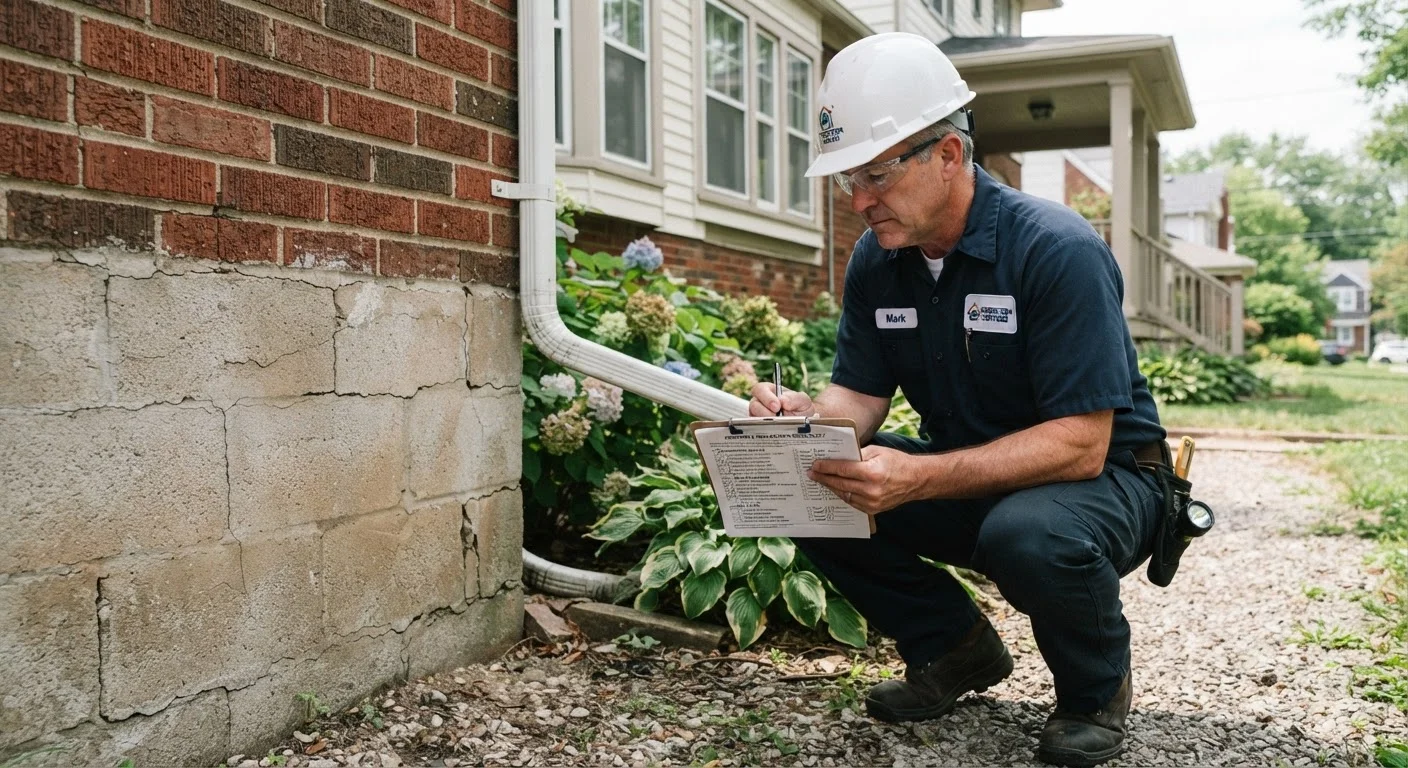
Photo: BridgeWish.com | Reliable Source Of Information editorial
Key Takeaways
- A standard home inspection covers visible, accessible systems and components — not hidden or specialty areas.
- Inspectors report on condition, not code compliance; a home can pass inspection and still not meet current building codes.
- Certain high-risk items — like radon, mold, and sewer lines — require separate, specialized testing.
- An inspection report is a tool for negotiation, not a repair mandate or a guarantee of future performance.
- Buyers should attend the inspection in person whenever possible to ask questions and gain context.
What a Standard Inspection Covers
A licensed home inspector conducts a visual assessment of the property's accessible, observable systems and components. The scope typically includes:
- Structural components: Foundation, framing, floors, walls, ceilings, and roof structure
- Roofing: Condition of shingles, flashing, gutters, and downspouts
- Exterior: Siding, windows, doors, grading, and drainage patterns
- Electrical system: Main panel, visible wiring, outlets, and switches
- Plumbing: Visible pipes, fixtures, water heater, and functional flow/drainage
- HVAC: Heating and cooling equipment, ductwork, and thermostat operation
- Insulation and ventilation: Attic insulation levels and airflow where accessible
- Interior: Stairs, railings, doors, windows, and signs of water intrusion
The inspector documents findings with photos and written descriptions. For a deeper look at how inspectors approach each of these areas, see what a home inspector actually looks for.
~86%
Home buyers who get an inspection
According to the National Association of Realtors, the large majority of home buyers in recent years have included an inspection as part of their purchase process.
$300–$500+
Typical inspection cost in the US
Costs vary by region and property size; larger or older homes generally cost more to inspect due to extended inspection time.
2–4 hours
Average inspection duration
Most standard single-family home inspections are completed within this window, though complex properties can take longer.
What Falls Outside the Inspector's Scope
Understanding the limits of a standard inspection is just as important as knowing what it covers. Inspectors are not required — and often not equipped — to evaluate the following:
- Hidden or inaccessible areas: Inside walls, beneath flooring, or behind stored belongings
- Specialty environmental hazards: Radon gas, lead paint, asbestos, and mold each require dedicated testing by a qualified specialist
- Sewer lines and septic systems: A camera inspection of the sewer lateral is a separate service and is strongly advisable for older homes
- Swimming pools and hot tubs: Pool systems are a specialty inspection; most general inspectors exclude them
- Chimneys and fireplaces: Basic visual checks may be included, but a full Level II chimney inspection requires a certified chimney sweep
- Pest and termite damage: Wood-destroying organisms typically require a separate pest inspection
- Building code compliance: Inspectors assess condition and function, not whether the home meets current local codes
Inspections Reflect Condition, Not Value
Because these gaps are predictable, buyers with older homes or properties in certain climates should plan for one or more add-on inspections as part of their due diligence budget.
How to Read and Use the Report
Inspection reports are not pass/fail documents. They are detailed accounts of observed conditions, and they almost always contain a long list of items — from minor maintenance suggestions to significant deficiencies. The volume of findings can feel alarming; context matters enormously.
When reviewing the report, prioritize findings in three categories:
- Safety hazards: Electrical issues, carbon monoxide risks, structural instability — these warrant immediate attention.
- Major system failures: A failing HVAC unit, aging roof near end of life, or compromised foundation are high-cost, high-priority concerns.
- Deferred maintenance: Peeling caulk, worn weatherstripping, and similar items are normal and generally not negotiating leverage in a standard transaction.
Attend the Inspection in Person
Attending the inspection in person gives you the chance to ask questions, see defects firsthand, and get the inspector's verbal judgment on severity — context that rarely comes through in a written report alone. Once you have your findings, learn how to negotiate effectively after an inspection.
“The inspection report is not a list of demands — it's a tool for informed decision-making. Buyers who understand that distinction negotiate far more effectively than those who treat every finding as a crisis.”
— Carson Dunlop, Co-author of a widely used home inspection training curriculum and reference text
Frequently Asked Questions
The content on this site is for informational purposes only and is not a substitute for professional advice. Always consult a qualified professional for guidance specific to your situation.