
What a Home Inspector Actually Looks For

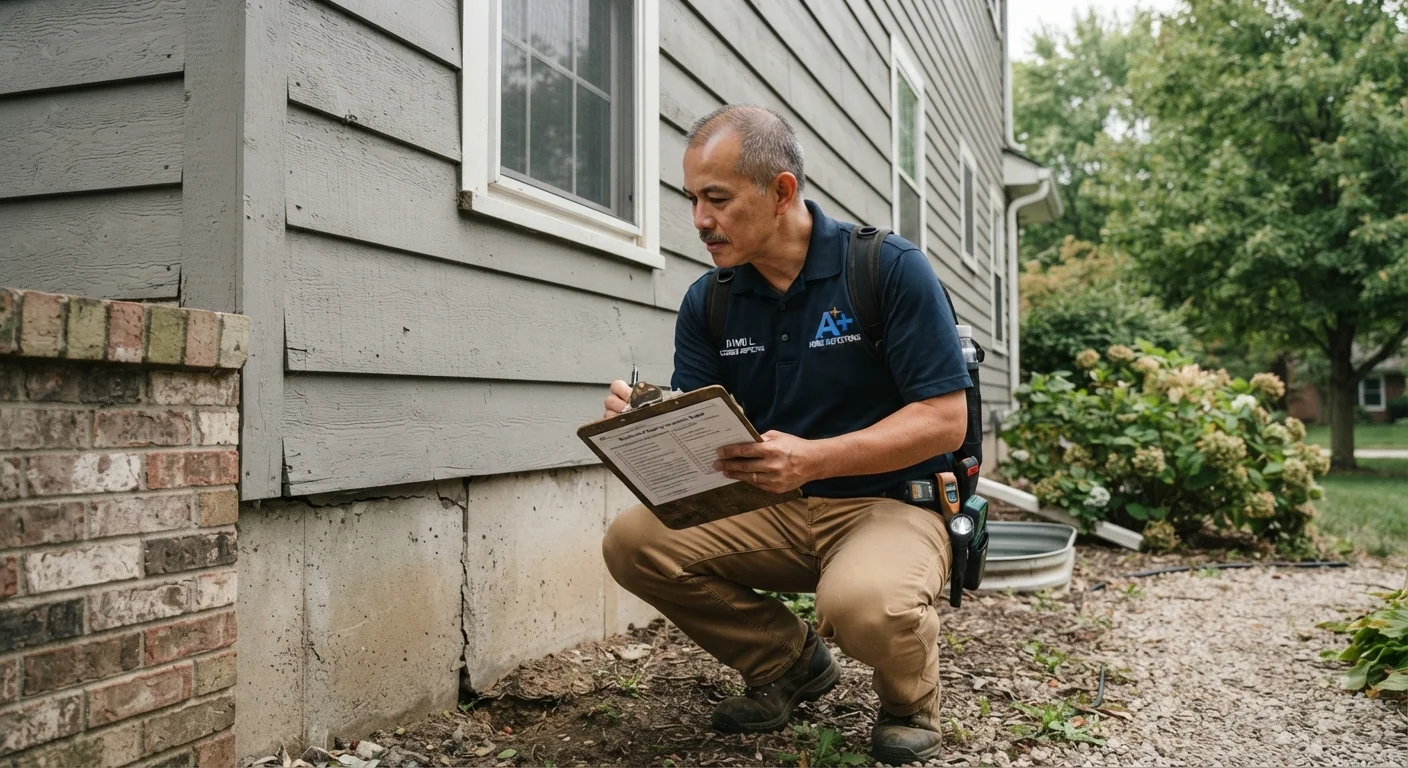
Photo: BridgeWish.com | Reliable Source Of Information editorial
Key Takeaways
- A home inspection covers visible, accessible systems — not hidden conditions behind walls or underground.
- Inspectors document what they observe; they do not estimate repair costs or predict future failures.
- Significant findings — like roof damage or electrical hazards — create a legitimate basis for negotiating repairs or price adjustments.
- Specialty inspections (mold, sewer, radon) are separate from a general home inspection and often worth adding.
- Attending the inspection in person gives buyers far more useful context than the written report alone.
The Scope of a General Home Inspection
A licensed home inspector performs a visual, non-invasive examination of a home's accessible systems and components. The goal isn't to find every cosmetic flaw — it's to identify material defects that affect safety, function, or habitability. Before you make one of the largest financial decisions of your life, understanding what that inspection covers is essential. See our pre-offer checklist for complementary steps to take before you're even at this stage.
Inspectors evaluate:
- Roof: Condition of shingles, flashing, gutters, and visible signs of water intrusion or deterioration
- Foundation and structure: Visible cracks, settling, drainage patterns, and signs of moisture in crawlspaces or basements
- Exterior: Siding, trim, grading, walkways, driveways, and attached structures like decks or garages
- Electrical system: Panel condition, visible wiring, outlets, and GFCI protection in kitchens and bathrooms
- Plumbing: Supply and drain lines, water heater age and condition, visible leaks, and water pressure
- HVAC: Heating and cooling equipment, filters, ductwork, and visible venting
- Attic and insulation: Ventilation, insulation levels, and evidence of moisture or pest activity
- Interior: Ceilings, walls, floors, windows, and doors for damage, water staining, or operational issues
~86%
Buyers who include an inspection contingency
According to the National Association of Realtors, the vast majority of purchase agreements include a home inspection contingency as a standard protective measure.
$300–$600
Typical inspection cost range
Costs vary by property size, age, and geographic market; specialty add-ons such as radon or sewer scoping are priced separately.
2–4 hours
Average time to complete a home inspection
Larger or older homes may take longer; buyers are encouraged to accompany the inspector throughout the process.
What Inspectors Cannot Tell You
A home inspection is not a guarantee. Inspectors can only assess what is visible and accessible at the time of the visit. They cannot see through drywall, excavate a foundation, or pressure-test pipes. This matters because serious problems — like a failing sewer lateral or a slow roof leak that hasn't yet stained the ceiling — can remain undetected in a standard inspection.
Common gaps in standard inspections include:
- Mold and air quality testing
- Sewer line condition (requires a camera scope)
- Radon levels (requires a separate test kit or monitor)
- Wood-destroying organisms such as termites
- Underground oil storage tanks
- Chimney interior condition beyond a visual check
For any of these concerns, specialty inspections are available and often worth the added cost. The full breakdown of what a home inspection covers and excludes provides useful detail on where standard scope ends.
Consider Adding Specialty Inspections Early
How to Use Inspection Findings Effectively
The inspection report is a tool, not a verdict. A long list of findings is common in older homes and doesn't automatically mean you should walk away. What matters is distinguishing between major defects — structural issues, failing systems, safety hazards — and routine maintenance items every homeowner eventually faces.
“The inspection report is one of the most valuable documents in a real estate transaction — not because it reveals perfection or failure, but because it replaces assumptions with documented facts.”
— Home Editorial Team, Real estate content editors with a focus on consumer home-buying education
Once you receive the report, prioritize findings by urgency and cost. Safety issues (faulty wiring, gas leaks, carbon monoxide risks) and major system failures (failing roof, compromised foundation) warrant serious attention. Minor items like a sticking door or a worn caulk line around a tub generally do not. After that triage, you're positioned to have a productive conversation about repairs or price. Our guide to negotiating after the inspection walks through what's reasonable to request and what typically isn't.
Attending the inspection in person — not just reading the report later — gives you context that photos and written descriptions rarely capture. Ask questions as the inspector works. A good inspector will explain what they're observing in plain terms, helping you leave with a clear sense of the property's actual condition rather than a list of items that feel alarming without context.
Gutters are one example where an inspector's visual check often surfaces deferred maintenance worth understanding. Our article on what a thorough gutter inspection covers explains why this seemingly minor system has real implications for a home's foundation and drainage.
Inspection Reports Are Not Repair Estimates
Frequently Asked Questions
The content on this site is for informational purposes only and is not a substitute for professional advice. Always consult a qualified professional for guidance specific to your situation.