
Fall Home Prep: Getting Your House Ready Before Winter Arrives

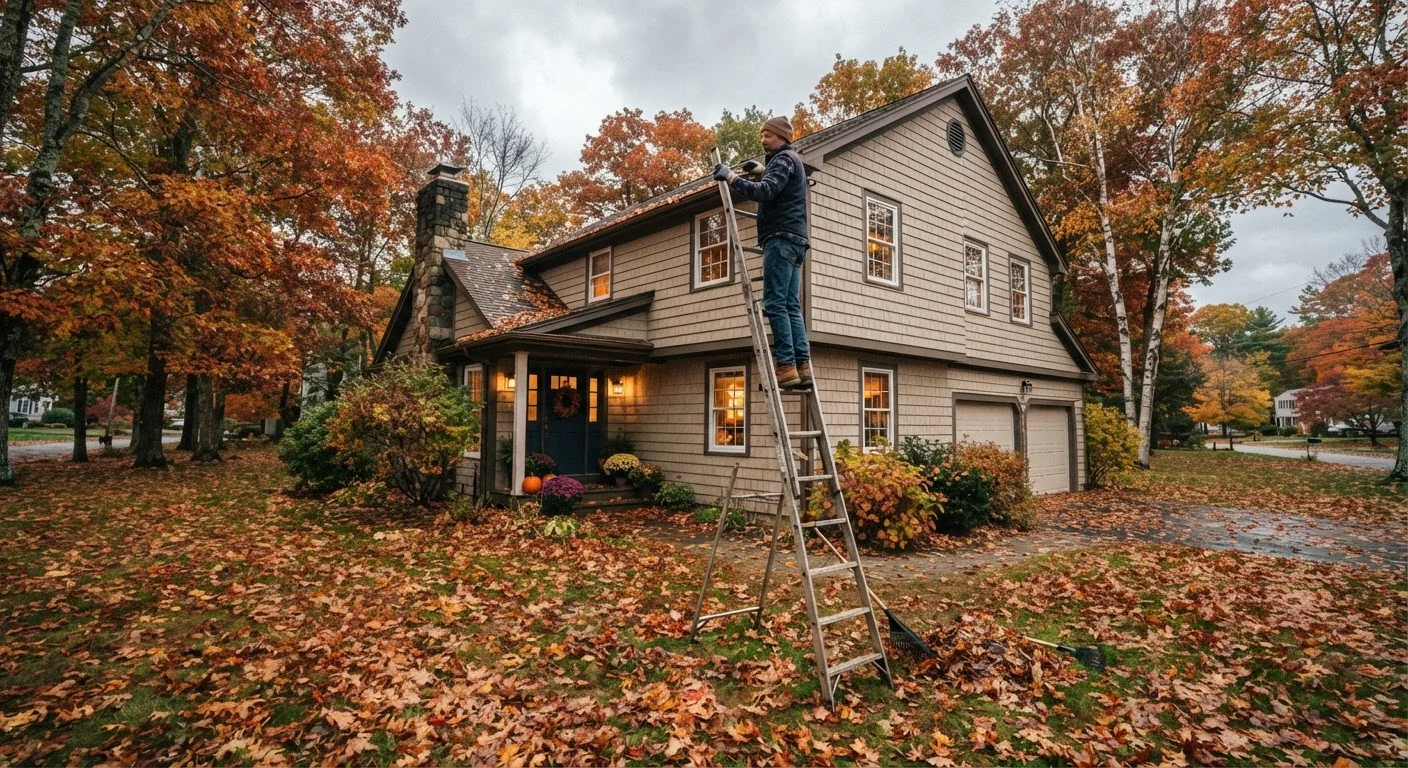
Photo: BridgeWish.com | Reliable Source Of Information editorial
Key Takeaways
- Cleaning gutters and downspouts before the first freeze helps prevent ice dams and water damage.
- Scheduling a furnace or HVAC inspection before peak heating season is strongly recommended.
- Sealing drafts around windows and doors is one of the most cost-effective cold-weather steps.
- Outdoor plumbing and irrigation systems should be drained and shut off before temperatures drop below freezing.
- A well-maintained exterior — paint, caulk, and siding — resists moisture damage through winter.
Why Fall Prep Matters More Than Spring Cleanup
Spring maintenance gets more attention, but fall is when the stakes are higher. Water that gets into a small crack in October can freeze, expand, and turn a minor fix into a structural repair by March. The goal of a fall home prep checklist isn't to do everything at once — it's to methodically close off the vulnerabilities cold weather will exploit.
This checklist covers the exterior, heating systems, plumbing, and interior details that most commonly lead to winter damage. Work through it category by category over one or two weekends. For context on what comes next, spring maintenance inspections pick up where winter leaves off — catching damage early before it compounds.
Exterior & Roof
Heating System & Fireplace
Plumbing & Water Systems
Doors, Windows & Insulation
Grounds & Safety
What You'll Need to Work Through This Checklist
Most fall prep tasks require basic hand tools and materials. A few — particularly anything involving gas appliances, electrical panels, or roof access — should be handled by licensed professionals. The tools below cover the tasks a typical homeowner can safely complete themselves.
Extension ladder
Needed to safely reach gutters and inspect roofline edges from the ground level.
Gutter scoop or garden trowel
Used to remove packed leaf debris from gutters before flushing with water.
Caulk gun and exterior-grade caulk
Applied to seal gaps around window frames, door trim, and siding joints.
Weatherstripping and door sweeps
Replacement materials for sealing gaps at the edges and bases of exterior doors.
Pipe insulation foam sleeves
Wrapped around exposed pipes in unheated spaces to reduce freeze risk.
Multimeter or circuit tester
Useful for testing outdoor GFCI outlets and exterior lighting before winter.
Roof and Gas Appliance Work Requires Professionals
Key Areas That Often Get Skipped
Even diligent homeowners tend to overlook a handful of high-impact items. Exterior caulking is one — it deteriorates gradually and rarely causes visible problems until a wet winter exposes the gap. Check around window frames, door trim, and any point where two different materials meet on your exterior. For a deeper look at how paint and caulk work together to protect your siding, see how exterior paint protects your home.
Attic ventilation is another commonly missed item. Proper airflow in the attic prevents warm indoor air from melting roof snow unevenly — a leading cause of ice dams. If you're unsure about your attic's current state, a licensed insulation or roofing contractor can assess it quickly. For a full year-round perspective on what needs attention and when, a season-by-season maintenance calendar is a useful companion resource.
Don't Skip the Chimney Inspection
The content on this site is for informational purposes only and is not a substitute for professional advice. Always consult a qualified professional for guidance specific to your situation.