
Exterior Paint as Protection: What It Does Beyond Aesthetics

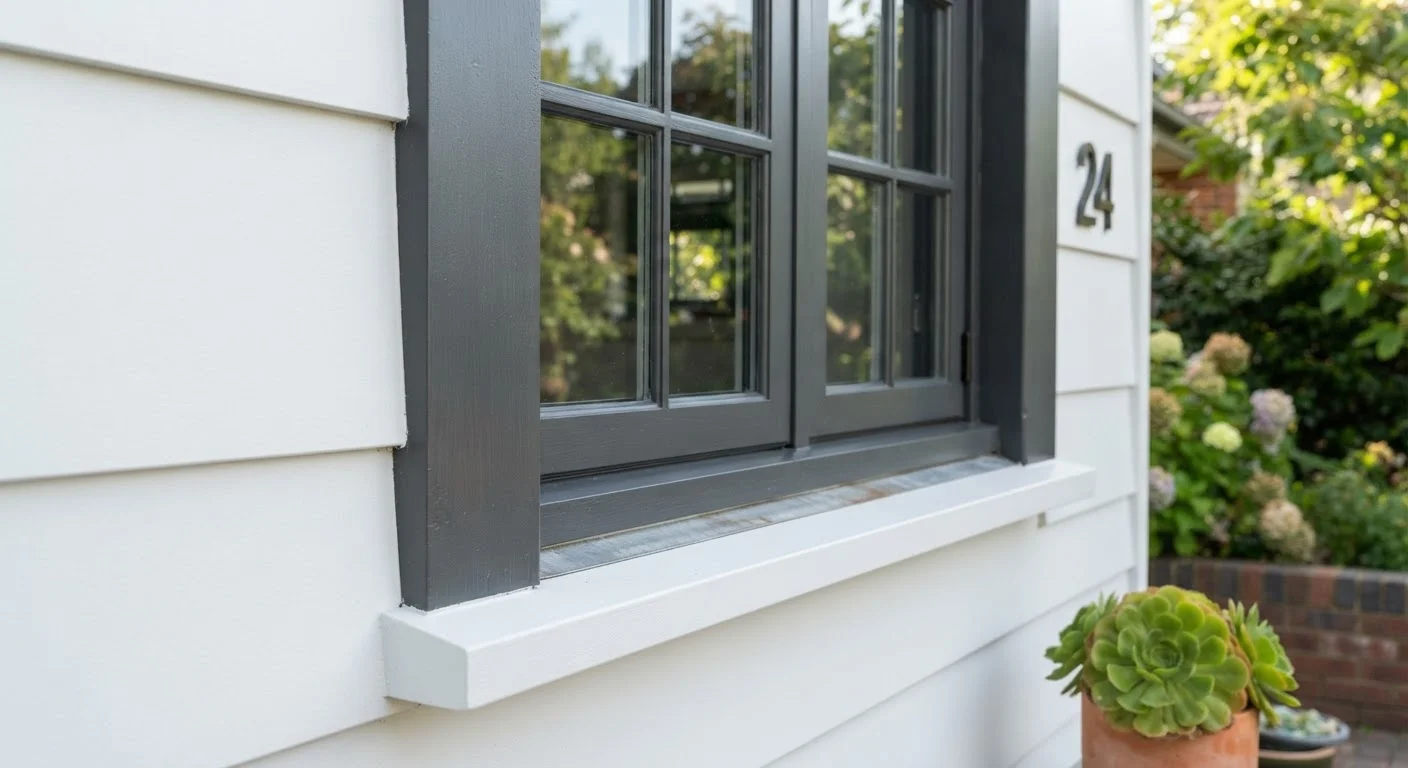
Photo: BridgeWish.com | Reliable Source Of Information editorial
Key Takeaways
- Exterior paint seals surfaces against moisture, which is the primary driver of rot and structural damage.
- UV radiation breaks down unprotected wood fibers and siding material; paint pigments absorb or reflect that energy.
- Paint that is peeling or cracking no longer provides meaningful protection — surface condition matters as much as age.
- Proper surface prep — cleaning, sanding, and priming — determines how long a paint job actually holds.
- Most homes need exterior repainting every five to ten years, depending on climate and material type.
What Exterior Paint Actually Does to Your Home
Most homeowners think of exterior paint mainly as a cosmetic choice. The color, the curb appeal, the fresh look after a repaint. But the coating on your siding, trim, and wood surfaces does something far more practical: it acts as a physical barrier between your home's structural materials and the outdoor environment.
Rain and humidity are the biggest threats. Wood absorbs water readily, and repeated wetting and drying cycles cause it to swell, shrink, and eventually crack or rot. Exterior paint slows that process by reducing how much moisture reaches the surface underneath. On fiber cement siding and composite materials, paint seals the edges and faces that manufacturers often identify as the most vulnerable points of water entry.
UV radiation is the second major factor. Direct sunlight degrades wood fibers, breaks down adhesives in engineered materials, and fades and chalks unprotected surfaces over time. Paint pigments — particularly in higher-quality formulations — absorb or reflect UV energy, extending the life of whatever they're covering.
Choose Paint Rated for Your Climate
Temperature cycling adds another layer of stress. As materials expand in summer heat and contract in winter cold, a paint coating that can flex with those movements prevents micro-cracks from forming. This is why paint type matters — look for acrylic-latex formulations with flexibility ratings suited to your climate zone.
How Paint Failure Actually Happens
Paint doesn't fail all at once. It fails in predictable stages, and recognizing them early is one of the best ways to avoid expensive repairs.
The first sign is typically chalking — a fine, powdery residue on the surface when you run your hand across it. This means the binder in the paint has broken down from UV exposure, and the coating has become porous. After chalking, cracking and peeling follow, especially where two materials meet, around window and door frames, and at horizontal surfaces where water can pool.
Once paint peels away, bare wood or siding is exposed. Moisture gets in, and if temperatures drop below freezing, that moisture expands inside the material, accelerating deterioration. What looked like a cosmetic problem can quickly become a repair job involving rot removal, wood replacement, or siding repair.
Mildew Is Not Just a Surface Issue
This is why a spring exterior inspection is worth building into your routine — catching paint failure in early stages costs far less to address than waiting until structural damage appears.
Prep Work: The Step That Determines How Long Paint Lasts
A high-quality paint applied over a poorly prepared surface will not last. Surface preparation is the single most influential factor in paint longevity — more than brand, sheen level, or number of coats.
Good prep involves several steps:
- Cleaning: Remove dirt, mildew, and chalking with a scrub brush or low-pressure wash. Mildew must be treated with an appropriate cleaner; painting over it traps it beneath the surface and causes premature failure.
- Scraping and sanding: Any loose or peeling paint must be removed. Feather the edges of remaining paint so the new coat lies flat.
- Priming: Bare wood, repaired areas, and surfaces that have been stripped to bare material all need primer before the finish coat. Primer bonds differently than topcoat paint and creates the foundation the finish layer needs to adhere properly.
- Caulking: Seal gaps around windows, doors, and trim before painting. Gaps allow water infiltration regardless of how good the paint is.
For a deeper look at what proper maintenance painting involves — including timing and condition requirements — see keeping your home's exterior paint in good shape.
5–10 years
Typical exterior paint lifespan on wood siding
Industry guidelines from painting trade associations cite this range as standard, with variation based on climate exposure and surface preparation quality.
50°F–90°F
Safe application temperature range for most exterior paints
Most acrylic-latex exterior paint manufacturers specify this range on product data sheets to ensure proper curing and adhesion.
~80%
Of paint job longevity attributed to surface prep
Painting professionals widely cite surface preparation — not the paint product itself — as the dominant factor determining how long an exterior paint job lasts.
When to Repaint and How to Plan Around Seasons
Most wood and fiber cement siding needs repainting every five to ten years. Trim, which faces more direct sun and temperature cycling, often needs attention sooner. The right timing depends on both your home's condition and the weather.
Late spring through early fall is generally the best window for exterior painting in most U.S. climates — temperatures are above 50°F, humidity is manageable, and surfaces dry consistently. Avoid painting in direct, intense sun (which causes the surface to dry too fast) or when rain is forecast within 24 hours of application.
If you're also doing broader seasonal prep, exterior paint condition is a natural item to include. Checking your siding and trim for peeling or bare spots pairs well with other fall tasks — see fall home prep tasks for a broader checklist. Similarly, window maintenance through the seasons covers the caulking and seal checks that work alongside paint upkeep around frames and trim.
For painted wood decking or trim adjacent to outdoor structures, understanding how different materials age can inform your maintenance schedule — pressure-treated wood versus composite decking covers the tradeoffs in detail.
This article provides general home maintenance information for educational purposes. Costs, timelines, and material performance vary widely by climate, substrate, and local conditions. For significant exterior work, consult a licensed painting contractor to evaluate your specific situation.
Frequently Asked Questions
The content on this site is for informational purposes only and is not a substitute for professional advice. Always consult a qualified professional for guidance specific to your situation.