
Pressure-Treated Wood vs. Composite Decking for Long-Term Upkeep

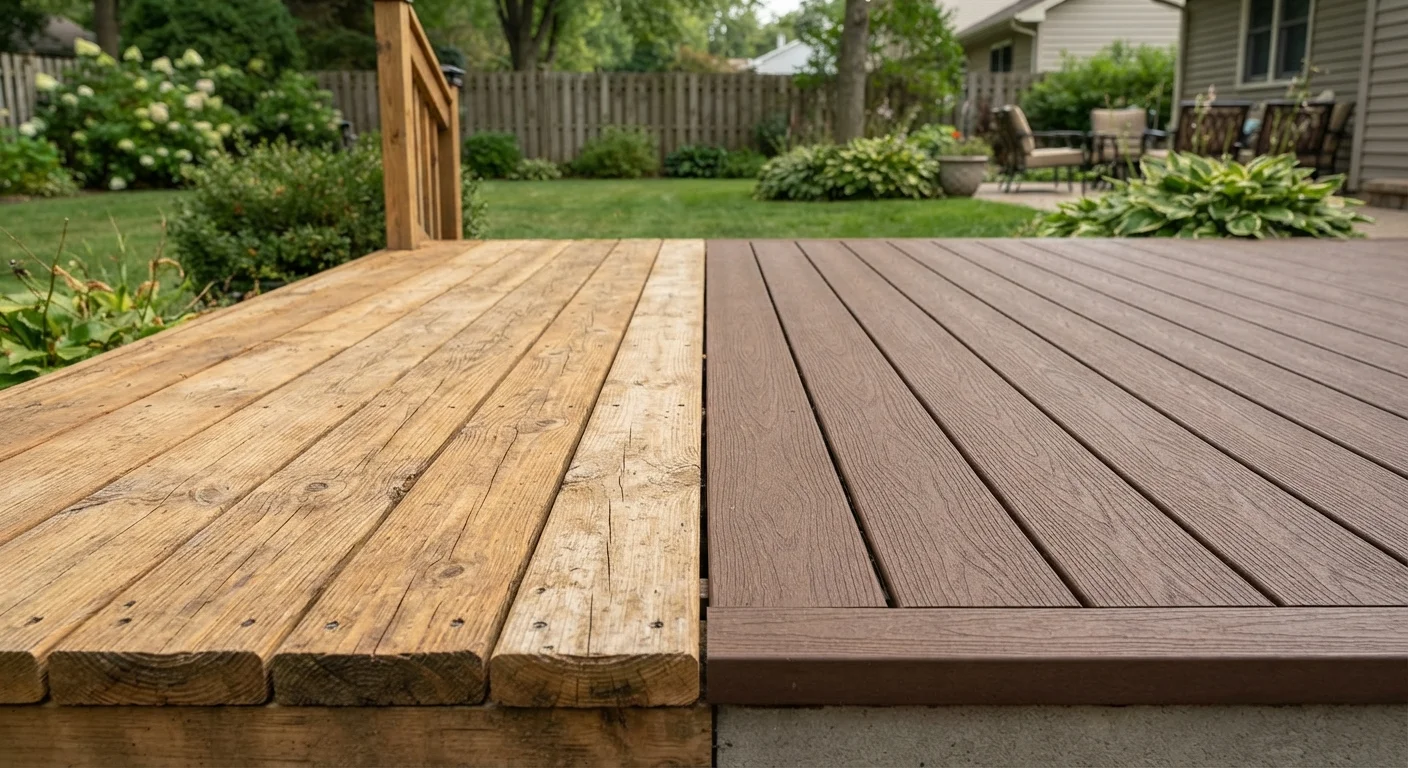
Photo: BridgeWish.com | Reliable Source Of Information editorial
Key Takeaways
- Pressure-treated wood requires cleaning, sealing, and staining every one to three years to prevent deterioration.
- Composite decking needs only periodic cleaning but can be vulnerable to mold in shaded or damp climates.
- Both materials benefit from annual inspections for structural issues such as loose fasteners or soft spots.
- Pressure-treated wood has lower upfront material costs but higher cumulative maintenance costs over time.
- Composite decking carries a higher initial price but reduces labor and product spending across its lifespan.
- Climate, sun exposure, and how heavily the deck is used all influence how often each material needs attention.
What Maintenance Each Material Actually Requires
Understanding the upkeep commitment of each decking type helps you plan time, budget, and effort honestly — rather than being caught off guard a few seasons in.
Pressure-Treated Wood
Pressure-treated lumber is infused with preservatives that slow rot and insect damage, but those protections don't eliminate the need for surface care. Wood expands and contracts with seasonal temperature changes, which causes checking (small surface cracks), cupping, and eventual weathering. Left untreated, exposed wood grays and softens over time.
A realistic maintenance schedule for pressure-treated decking includes:
- Annual cleaning: Removing dirt, mildew, and debris with a deck cleaner and a stiff brush or low-pressure rinse.
- Sealing or staining every 1–3 years: A water-repellent sealant or penetrating stain slows moisture absorption and UV fading. The frequency depends on your climate and sun exposure.
- Periodic sanding: Rough or splintering boards should be sanded before recoating to maintain a safe walking surface.
- Fastener checks: Nails and screws can back out as wood swells and shrinks; inspect and reset them annually.
Composite Decking
Composite boards — made from a blend of wood fiber and plastic or entirely from PVC — do not require sealing, staining, or sanding. Their main maintenance need is keeping the surface clean to prevent mold, mildew, and staining from organic matter like leaves and pollen.
Typical tasks include:
- Biannual cleaning: A mild soap-and-water scrub or a composite-approved cleaner twice a year removes buildup.
- Gap clearing: Debris that collects between boards can trap moisture; clearing gaps helps prevent mold growth.
- Stain response: Grease and tannin stains (from wet leaves) should be addressed promptly, as they become harder to remove once set.
| Criterion | Pressure-Treated Wood | Composite Decking |
|---|---|---|
| Upfront material cost | Generally lower | Generally higher |
| Sealing / staining required | Yes, every 1–3 years | No |
| Sanding required | Periodically | No |
| Rot and insect resistance | Moderate (preservative-treated) | High |
| Mold susceptibility | Moderate to high in damp conditions | Low to moderate (surface mold possible) |
| Typical lifespan with maintenance | 15–20 years | 20–30 years |
| Surface repairability | Sand and recoat | Limited; scratches generally not reversible |
| Recurring maintenance cost | Higher over time | Lower over time |
Long-Term Costs and Lifespan Considerations
Both materials involve trade-offs between what you pay upfront and what you invest over years of ownership. Neither is categorically cheaper when you account for the full picture.
Pressure-treated wood typically costs less per linear foot at installation. However, the recurring cost of sealants, stains, and the time or labor involved in applying them adds up. A deck that isn't maintained on schedule may develop rot, soft spots, or surface deterioration that requires board replacement sooner than expected.
Composite decking carries a higher initial material and installation cost. Over a 15–25 year lifespan, though, the absence of regular sealing and staining products can offset a portion of that difference. Many composite products also carry longer manufacturer warranties against fading, staining, and structural defects — though it's important to read warranty terms carefully, as coverage varies widely and often excludes labor costs.
1–3 years
Resealing interval for wood decks
Industry guidance from decking associations generally recommends resealing or restaining pressure-treated wood decks every one to three years, depending on climate and sun exposure.
25+ years
Composite decking lifespan (with care)
Many composite decking manufacturers publish expected lifespans of 25 years or more when the product is properly installed and routinely cleaned.
Regardless of material, the structural components beneath the deck — joists, beams, ledger boards — are typically made from pressure-treated lumber and require their own periodic inspection. See our seasonal inspection guide for a broader look at checks that protect your home's exterior systems.
Climate, Environment, and Use Patterns Matter
The right maintenance schedule for either material isn't fixed — it's shaped by where you live, how your deck is positioned, and how much traffic it sees.
Sun and UV Exposure
Pressure-treated wood in full sun needs more frequent recoating because UV rays break down surface finishes faster. Composite products are generally more UV-stable, though lower-quality composites may fade noticeably over years in intense sun. If surface color retention matters to you, check third-party fade-testing data when evaluating composite options.
Moisture and Shade
Shaded or north-facing decks hold moisture longer, making mold a concern for both materials. Composite decking resists rot, but mold can still grow on its surface if debris accumulates. Pressure-treated wood in consistently damp conditions needs more vigilant sealing and inspection for soft spots. In high-humidity climates, the gap between the two materials in terms of rot resistance is more significant.
Foot Traffic
Heavy use — from furniture, foot traffic, and grills — accelerates surface wear on wood and can scratch or scuff composite boards. Composite scratches are generally not repairable with sanding, so placement of furniture pads and careful use of grills (to prevent grease staining) matter more for composite decks.
If you're managing upkeep across multiple parts of your home's exterior, it helps to think about all exterior surfaces on a coordinated schedule. Our article on keeping exterior paint in good shape covers how similar environmental factors affect other wood and painted surfaces around your home.
Substructure Is Always Pressure-Treated
The content on this site is for informational purposes only and is not a substitute for professional advice. Always consult a qualified professional for guidance specific to your situation.