
Common Myths About Renting a Home

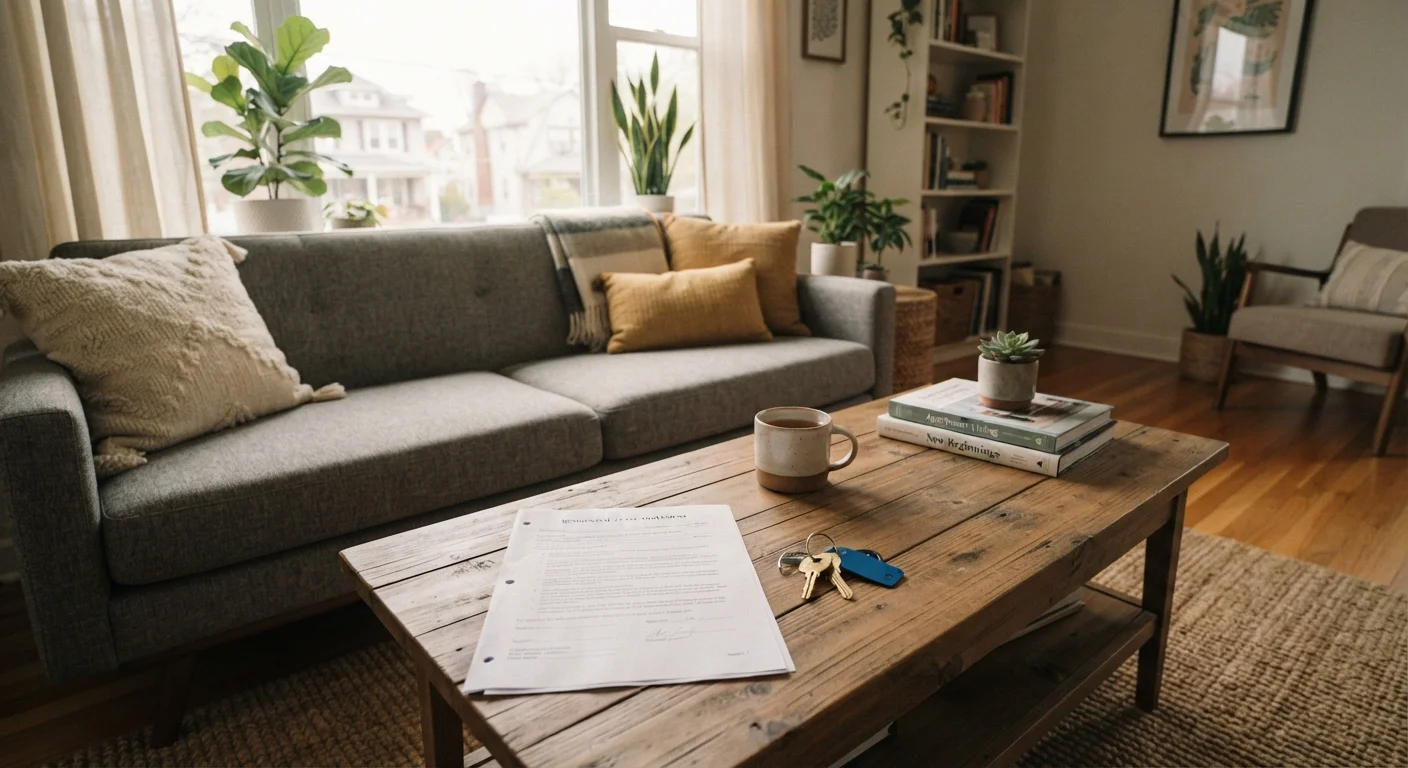
Photo: BridgeWish.com | Reliable Source Of Information editorial
Key Takeaways
- Landlords in most US states must give advance notice — typically 24 hours — before entering your unit.
- Verbal rental agreements can be legally binding, though written leases offer far stronger protection.
- Security deposits are regulated by state law; landlords cannot withhold them for normal wear and tear.
- Breaking a lease early does not automatically forfeit your deposit or expose you to unlimited liability.
- Renters have legal rights even when a lease is silent or vague on a specific issue.
Why Rental Myths Persist — and Why They Matter
Rental myths spread because most tenants never read their state's landlord-tenant statutes, and because power imbalances in the rental relationship often go unchallenged. When renters believe they have fewer rights than they actually do, landlords — whether deliberately or not — can act outside the law without consequence.
The myths covered here aren't obscure edge cases. They surface in security deposit disputes, illegal entry complaints, and habitability battles across the country every year. Understanding what the law actually says is the first step toward renting with confidence. For a comprehensive walkthrough of the full rental process, see renting a home from start to finish.
Myth
Landlords can enter my apartment whenever they want — it's their property.
Fact
In most US states, landlords must provide advance notice (commonly 24 hours) before entering a rental unit except in genuine emergencies.
Ownership of a property does not grant a landlord unrestricted access once a tenant is in residence. The concept of quiet enjoyment — a legal right in most states — means tenants have the right to use their home without undue interference. Emergency situations (such as a burst pipe or fire) are exceptions, but routine inspections, repairs, or showings typically require proper notice. Check your state's specific statute for the required notice period.
Myth
A verbal agreement with my landlord isn't worth anything legally.
Fact
Verbal rental agreements can be enforceable contracts under law, though they are harder to prove in a dispute than written ones.
Courts in many states recognize oral lease agreements, particularly for month-to-month tenancies. The practical problem is evidentiary: without written documentation, it becomes one person's word against another's. Any promises made verbally — about repairs, included utilities, or pet policies — should be followed up in writing, ideally via email, so there is a record. For a deeper look at the terminology that matters in rental agreements, see key renting terms every tenant should know.
Myth
Landlords can keep my entire security deposit if I break my lease early.
Fact
Security deposits are governed by state law and can only be withheld for specific, documented reasons — early termination alone does not justify keeping the full deposit.
Security deposits are intended to cover unpaid rent and damage beyond normal wear and tear — not to serve as a penalty fund. If you break a lease, a landlord may pursue you for lost rent, but only up to the point they re-rent the unit, since most states require landlords to mitigate damages by actively seeking a new tenant. Withholding a deposit without itemized written documentation within the state-required timeframe (often 14–30 days after move-out) can itself expose a landlord to legal liability.
Myth
Normal wear and tear on an apartment is always my financial responsibility.
Fact
Normal wear and tear — gradual deterioration from everyday use — is the landlord's responsibility, not the tenant's.
There is an important legal distinction between damage and wear and tear. Scuffed walls from furniture, minor carpet flattening, or faded paint after years of sunlight are considered normal wear and tear. Holes in walls, stained carpet from spills, or broken fixtures are generally treated as tenant-caused damage. Landlords cannot legally deduct the cost of repainting an entire apartment due to ordinary aging. Documenting the unit's condition with photos at move-in and move-out is one of the most effective ways to protect yourself.
Myth
Renters have no say in repairs — it's entirely up to the landlord.
Fact
Landlords in all US states are legally required to maintain rental properties in a habitable condition, and tenants have remedies if they fail to do so.
The implied warranty of habitability — recognized in virtually every US state — means your landlord must ensure the unit meets basic health and safety standards: functioning heat, plumbing, weatherproofing, and freedom from infestations. If a landlord refuses to address serious habitability issues after proper written notice, tenants may have legal options including rent withholding, repair-and-deduct (where permitted by state law), or lease termination without penalty. For a full picture of protections you may not know about, see renter's rights landlords don't always advertise.
Myth
Renting is always throwing money away compared to buying.
Fact
Renting can be the financially sound choice depending on your timeline, local market, and personal circumstances.
The rent-vs-buy calculation depends heavily on how long you plan to stay in an area, local home prices, interest rates, and your financial flexibility. Homeownership comes with mortgage interest, property taxes, insurance, and maintenance costs that renters don't carry directly. For households who relocate frequently or are still building savings, renting often preserves capital and flexibility. For a grounded look at both sides, see the real trade-offs between renting and buying.
Protecting Yourself: Practical Steps Every Renter Should Take
Knowing the facts only helps if you act on them. A few consistent habits can significantly reduce your exposure to disputes.
- Document everything at move-in and move-out. Photograph every room, note existing damage on any move-in checklist, and keep copies.
- Put agreements in writing. Even if your landlord makes a promise by phone, follow up with an email summarizing what was said.
- Know your state's rules. Security deposit timelines, notice requirements, and repair remedies vary by state. Your state attorney general's website is a reliable starting point.
- Understand what your lease actually says — and what it can't override. For common lease misunderstandings, see things renters assume are true about their lease.
- Consider renters insurance. It's often misunderstood but covers personal property and liability in ways your landlord's policy does not. See why renters insurance is worth understanding before you skip it.
Never Assume Your Lease Overrides State Law
Your Rights Exist Even Without a Written Lease
~44M
Renter-occupied housing units in the US
According to US Census Bureau data, approximately 44 million households in the United States rent their homes, making tenant rights a widespread consumer concern.
14–30 days
Typical window for security deposit return
Most US states require landlords to return security deposits — with an itemized list of any deductions — within 14 to 30 days of a tenant vacating the unit.
This article is for general informational purposes only and does not constitute legal advice. Landlord-tenant laws vary significantly by state and locality. Consult a qualified attorney or local tenant rights organization for guidance specific to your situation.
The content on this site is for informational purposes only and is not a substitute for professional advice. Always consult a qualified professional for guidance specific to your situation.