
Why Renters Insurance Is Worth Understanding Before You Skip It

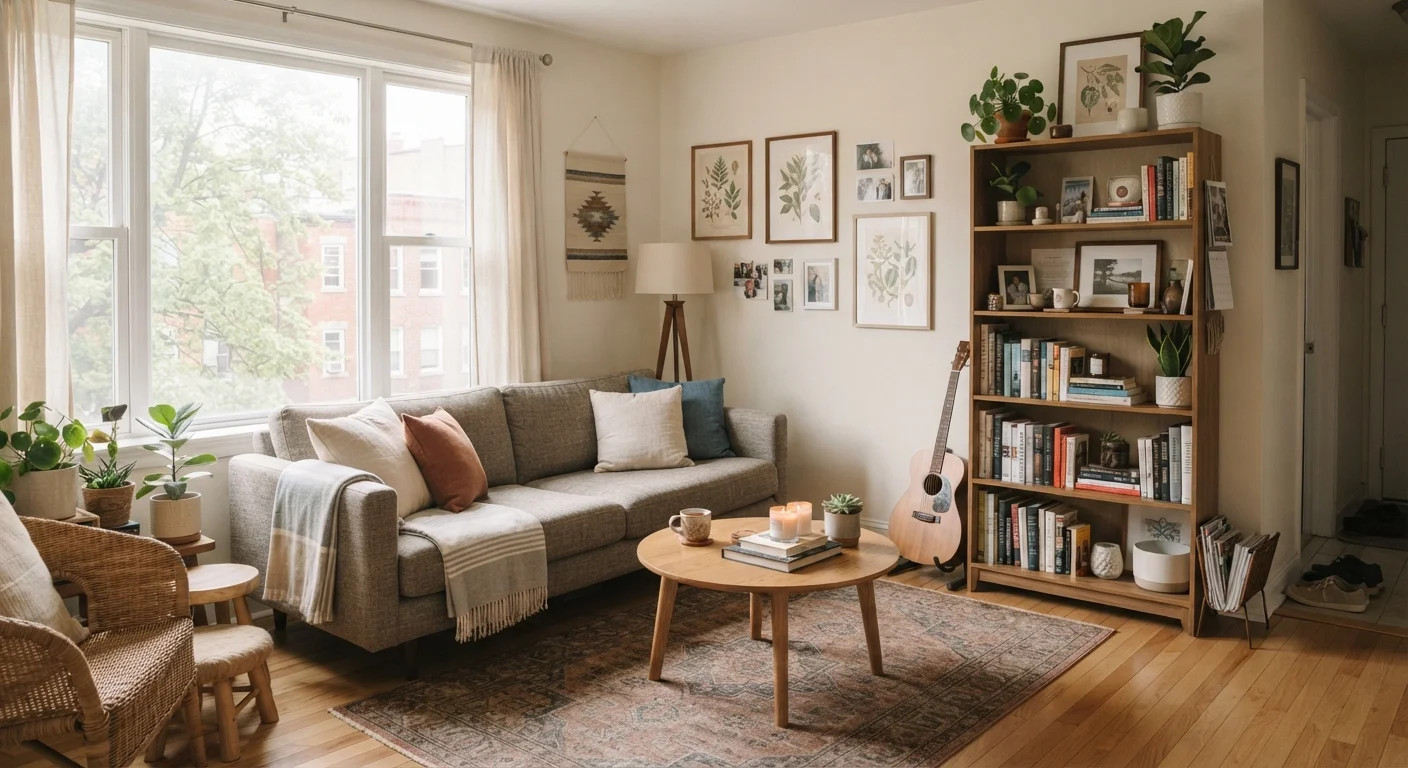
Photo: BridgeWish.com | Reliable Source Of Information editorial
Key Takeaways
- Your landlord's insurance covers the building, not your personal belongings.
- Renters insurance typically includes personal property, liability, and temporary housing coverage.
- Policies often cost less than $20 per month, though actual costs vary by location and coverage.
- Coverage gaps exist — floods and earthquakes are commonly excluded from standard policies.
- Some landlords require renters insurance as a lease condition.
Covers personal belongings after theft or damage
Standard policies typically protect furniture, electronics, clothing, and other personal property against common perils like fire, smoke, and theft — both inside and sometimes outside your home.
Includes personal liability protection
If someone is injured in your rental or you accidentally damage someone else's property, liability coverage can help pay legal fees or settlements that would otherwise come out of pocket.
May cover temporary housing costs
Loss-of-use coverage — included in many standard policies — can help pay for a hotel or temporary rental if your unit becomes uninhabitable due to a covered event.
Generally affordable relative to coverage amount
Premiums for a basic renters policy are often modest relative to the value of belongings covered, though actual costs vary by location, coverage level, and individual circumstances.
Standard policies exclude floods and earthquakes
These two major causes of property damage require separate, additional policies in most cases. Renters in flood-prone or seismically active areas face a real coverage gap if they rely on a standard policy alone.
High-value items may have strict payout limits
Jewelry, art, musical instruments, and collectibles are often subject to sub-limits within a policy. Riders or scheduled coverage may be needed to fully protect these items.
Actual cash value payouts may disappoint
Policies that pay actual cash value — rather than replacement cost — factor in depreciation, meaning a five-year-old laptop may be reimbursed for far less than it costs to replace.
Filing a claim can affect future premiums
Even a single claim can raise your premium at renewal or make you a less attractive customer to insurers, a trade-off worth weighing against smaller out-of-pocket losses.
What Renters Insurance Actually Is
Renters insurance is a type of personal insurance policy designed for people who rent rather than own their home. It does not cover the physical building — that's the landlord's responsibility under their own property insurance. Instead, renters insurance is built around three core protections: your personal belongings, your personal liability, and temporary living expenses if your unit becomes uninhabitable.
Many tenants assume that because the landlord has insurance, they're covered too. That's a common and potentially costly misunderstanding. If a pipe bursts and damages your laptop, or someone trips in your apartment and files a claim against you, your landlord's policy typically won't help. For more on coverage specifics, see what renters insurance actually covers.
General Information, Not Insurance Advice
The Advantages of Having Coverage
For many renters, the case for carrying insurance comes down to financial exposure versus cost. Consider what it would take to replace your furniture, clothing, and electronics after a fire or theft — the total can easily reach tens of thousands of dollars.
Covers personal belongings after theft or damage
Standard policies typically protect furniture, electronics, clothing, and other personal property against common perils like fire, smoke, and theft — both inside and sometimes outside your home.
Includes personal liability protection
If someone is injured in your rental or you accidentally damage someone else's property, liability coverage can help pay legal fees or settlements that would otherwise come out of pocket.
May cover temporary housing costs
Loss-of-use coverage — included in many standard policies — can help pay for a hotel or temporary rental if your unit becomes uninhabitable due to a covered event.
Generally affordable relative to coverage amount
Premiums for a basic renters policy are often modest relative to the value of belongings covered, though actual costs vary by location, coverage level, and individual circumstances.
Liability coverage is another underappreciated benefit. If a guest is injured in your rental, or you accidentally cause water damage to a neighbor's unit, the liability portion of your policy can help cover legal costs or damages. Without it, those costs come directly out of pocket.
The Limitations Worth Knowing
Renters insurance is not a catch-all solution, and misunderstanding its exclusions can leave you with a false sense of security. Standard policies typically exclude flood damage, earthquake damage, and certain high-value items like jewelry or collectibles above a set dollar threshold.
Standard policies exclude floods and earthquakes
These two major causes of property damage require separate, additional policies in most cases. Renters in flood-prone or seismically active areas face a real coverage gap if they rely on a standard policy alone.
High-value items may have strict payout limits
Jewelry, art, musical instruments, and collectibles are often subject to sub-limits within a policy. Riders or scheduled coverage may be needed to fully protect these items.
Actual cash value payouts may disappoint
Policies that pay actual cash value — rather than replacement cost — factor in depreciation, meaning a five-year-old laptop may be reimbursed for far less than it costs to replace.
Filing a claim can affect future premiums
Even a single claim can raise your premium at renewal or make you a less attractive customer to insurers, a trade-off worth weighing against smaller out-of-pocket losses.
It's also worth understanding how your belongings are valued. Policies may reimburse at actual cash value (what an item is worth today, factoring in depreciation) or replacement cost value (what it would cost to buy the same item new). The difference can be significant when filing a claim. For a plain-language breakdown of these terms, the key renting terms every tenant should recognize is a helpful reference.
Questions to Ask Before You Decide
Rather than defaulting to skipping coverage or buying the first policy you see, it's worth pausing to ask a few concrete questions:
- Does my lease require renters insurance? Some landlords make it a condition of tenancy. Check your lease carefully — overlooked clauses can have real consequences. See costly lease clauses renters routinely overlook for what else to watch for.
- What would it actually cost to replace my belongings? Walk through your home mentally and estimate the value of electronics, clothing, furniture, and appliances.
- What perils does the policy cover? Named-peril policies only cover events explicitly listed; open-peril policies cover everything except named exclusions. Know which type you're being quoted.
- What are the deductible and coverage limits? A lower premium often means a higher deductible or lower payout ceiling.
Many assumptions renters carry about their coverage — or their landlord's obligations — don't hold up. Things renters assume are true about their lease covers similar blind spots worth addressing.
~57%
Renters who carry insurance
According to the Insurance Information Institute, roughly 57% of renters in the U.S. carried renters insurance in recent survey data, leaving a significant share unprotected.
$30,000+
Estimated average renter's personal property value
Industry estimates suggest the average renter's belongings — furniture, electronics, clothing, and appliances — can easily exceed $30,000 in replacement value.
The content on this site is for informational purposes only and is not a substitute for professional advice. Always consult a qualified professional for guidance specific to your situation.