
Renter's Rights: What Landlords Are Legally Required to Provide

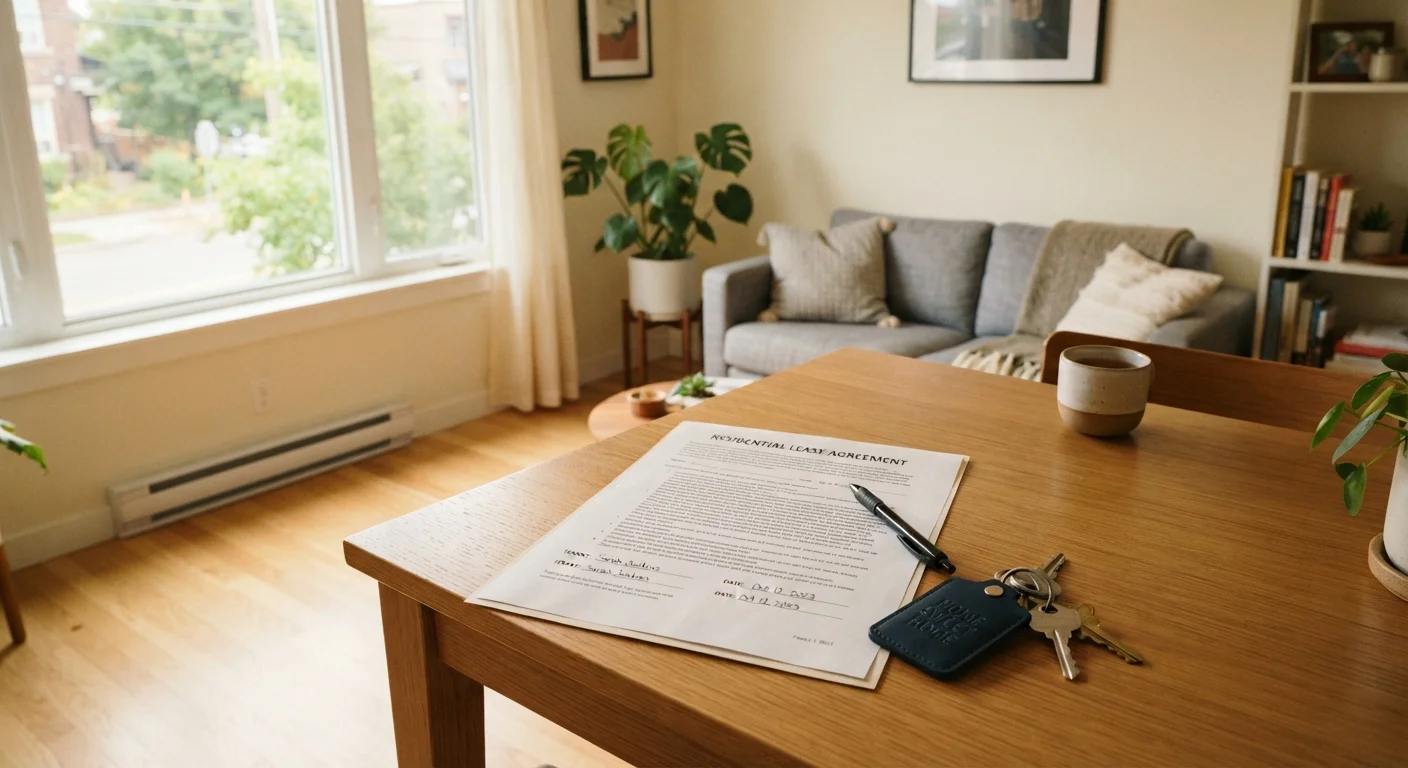
Photo: BridgeWish.com | Reliable Source Of Information editorial
The Implied Warranty of Habitability
Every state in the US recognizes some version of the implied warranty of habitability — a legal standard requiring landlords to maintain rental units in a condition fit for human occupation. This protection exists regardless of what your lease says or doesn't say.
At a minimum, habitability typically requires:
- Structurally sound walls, roof, and floors
- Working heat, plumbing, and electrical systems
- Hot and cold running water
- Functioning locks and weather-tight windows and doors
- Freedom from pest infestations and mold hazards
When a landlord fails to address a habitability issue after reasonable notice, most states allow tenants to pursue remedies such as rent withholding, repair-and-deduct, or lease termination. The specific rules vary significantly by state and sometimes by city, so checking your local tenant protection laws is essential before acting. For a deeper look at related rights that landlords rarely volunteer, see Renter's Rights That Landlords Don't Always Advertise.
| Habitability Standard | Required in all 50 US states |
| Typical Entry Notice Required | 24 hours (varies by state) |
| Common Security Deposit Cap | 1–2 months' rent (state-dependent) |
| Deposit Return Window | 14–30 days after move-out (varies by state) |
| Federal Anti-Discrimination Law | Fair Housing Act (7 protected classes) |
| Self-Help Evictions | Prohibited in all US states |
Notice, Entry, and Privacy Protections
Landlords generally cannot enter a rental unit whenever they choose. Most states require advance written notice — commonly 24 hours — before entering for non-emergency reasons such as inspections or repairs. Emergency situations (a burst pipe, for example) typically allow immediate entry without prior notice.
Beyond physical entry, renters also hold a right to quiet enjoyment: the landlord may not harass, intimidate, or interfere with your use of the property. This includes cutting off utilities or removing amenities to pressure a tenant into leaving — practices known as constructive eviction, which are illegal in most jurisdictions.
Implied Warranty of Habitability
A legal doctrine requiring landlords to maintain rental units in a livable condition. It applies automatically by law in most US states, regardless of what the lease states.
Quiet Enjoyment
A tenant's right to use and occupy a rental unit without interference from the landlord. This covers both physical disturbances and actions like cutting off utilities.
Constructive Eviction
When a landlord makes conditions so uninhabitable or harassing that a tenant is effectively forced to leave. This is illegal in most US jurisdictions.
Wear and Tear
The gradual, expected deterioration of a property through ordinary use. Landlords generally cannot deduct security deposits for normal wear and tear.
Retaliation
An illegal landlord response to a tenant's exercise of legal rights, such as reporting housing code violations. Common retaliatory actions include rent increases or eviction threats.
Fair Housing Act
A federal law that prohibits housing discrimination based on protected characteristics including race, sex, disability, and familial status. Many states add further protected categories.
Eviction itself is also governed by law. Landlords must follow a formal legal process, which generally starts with a written notice (e.g., a pay-or-quit or cure-or-quit notice) and, if unresolved, proceeds through the courts. Self-help evictions — changing the locks, removing belongings, or shutting off utilities without a court order — are prohibited in all US states.
Security Deposit Rules
Security deposits are one of the most regulated areas of landlord-tenant law. While states set their own caps and timelines, common legal requirements include:
- Deposit limits: Many states cap deposits at one to two months' rent.
- Return deadlines: Most states require landlords to return the deposit (minus lawful deductions) within 14 to 30 days after move-out.
- Itemized deductions: If any amount is withheld, landlords typically must provide a written, itemized list of deductions. Normal wear and tear generally cannot be charged to the tenant.
- Separate accounts: Some states require deposits to be held in a dedicated escrow account, sometimes with interest owed to the tenant.
Keeping thorough move-in and move-out documentation — photos, written checklists, and email confirmations — strengthens your position if a dispute arises. Misunderstandings about deposits are common; Things Renters Assume Are True About Their Lease — But Aren't covers several misconceptions that cost tenants money.
All 50
States with some habitability protection
Every US state recognizes some form of the implied warranty of habitability, though the specific standards and tenant remedies differ.
14–30 days
Typical security deposit return window
Most state statutes require landlords to return deposits and provide itemized deductions within two to four weeks of move-out.
60–90 days
Typical retaliation presumption window
Many states presume landlord retaliation if adverse action occurs within 60 to 90 days of a tenant filing a housing complaint.
Anti-Discrimination and Retaliation Protections
Federal law — primarily the Fair Housing Act — prohibits landlords from discriminating based on race, color, national origin, religion, sex, familial status, or disability in the sale or rental of housing. Many states and cities extend these protections to additional categories such as source of income, sexual orientation, or marital status.
Equally important is retaliation protection. If a tenant exercises a legal right — such as reporting a code violation to a housing authority or organizing with other tenants — a landlord cannot respond by raising the rent, reducing services, or threatening eviction. Most states presume retaliation has occurred if a landlord takes adverse action within a certain timeframe (often 60 to 90 days) after a protected complaint.
Local Laws Often Provide Stronger Protections
Understanding your lease is the starting point for knowing what rights apply to your situation. Common Lease Clauses That Catch Renters Off Guard explains the provisions most renters overlook — and what they legally mean. For unfamiliar vocabulary, Key Renting Terms Every Tenant Should Recognize offers a plain-language glossary to help you read any lease with confidence.
This article provides general legal information for educational purposes only and is not legal advice. Laws vary significantly by state and locality. Consult a qualified attorney or your local tenant advocacy organization for guidance specific to your situation.
The content on this site is for informational purposes only and is not a substitute for professional advice. Always consult a qualified professional for guidance specific to your situation.