
Subletting vs. Lease Assignment: The Difference Explained

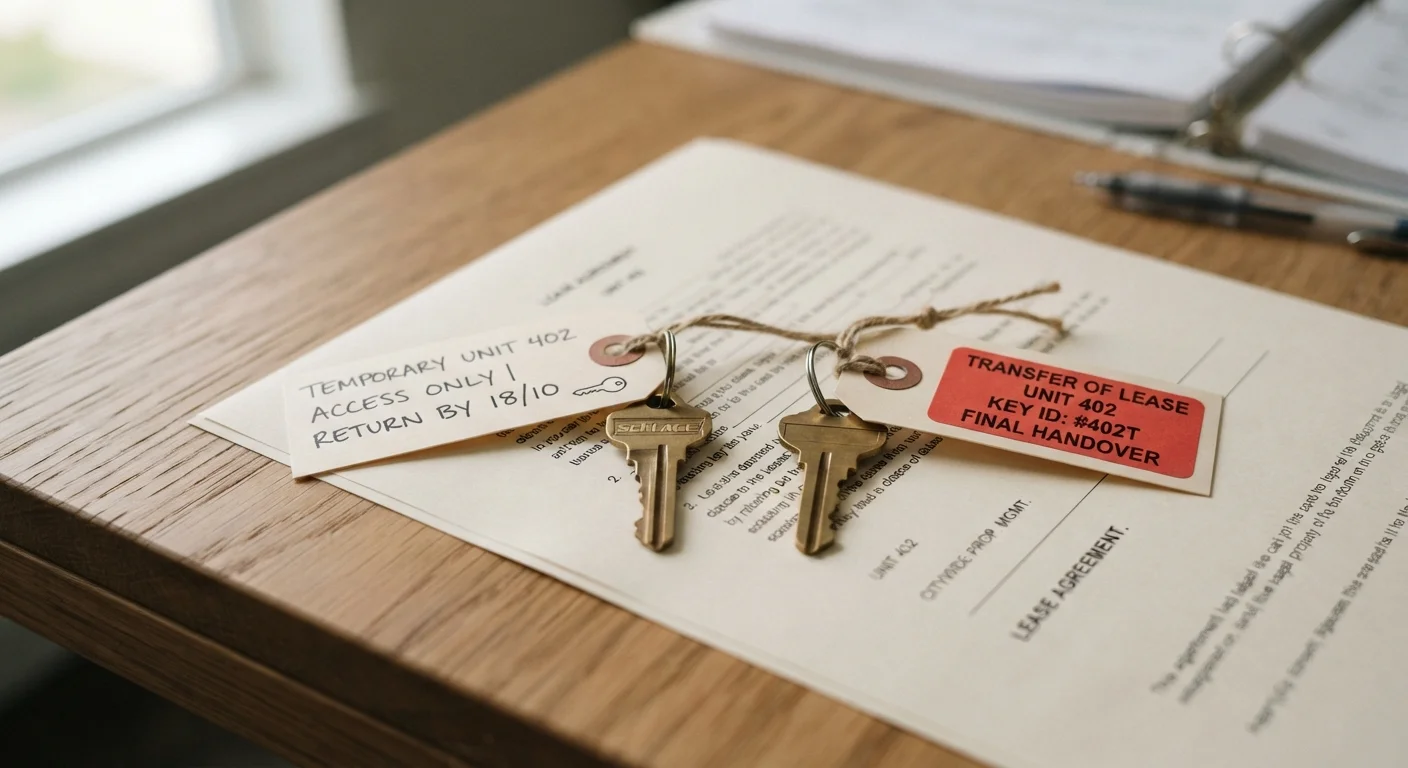
Photo: BridgeWish.com | Reliable Source Of Information editorial
Key Takeaways
- With subletting, the original tenant remains legally responsible for rent and damages throughout the lease term.
- Lease assignment transfers all tenant rights and obligations to a new person, typically releasing the original tenant.
- Both options usually require written landlord approval — acting without it can be grounds for eviction.
- State and local laws vary significantly on what landlords can and cannot restrict regarding subleasing.
- Review your lease carefully before pursuing either option, since many leases prohibit or limit both arrangements.
The Core Legal Distinction
At a glance, subletting and lease assignment both involve handing off your rental to another person. The critical difference is what happens to your legal responsibility once that handoff occurs.
When you sublet, you become a landlord to your subtenant while simultaneously remaining a tenant to your original landlord. If the subtenant fails to pay rent or damages the unit, you — the original tenant — are still on the hook. Your name stays on the lease, and your landlord can still hold you accountable for the full term.
A lease assignment works differently. You transfer your entire interest in the lease to a new tenant (the assignee). Assuming the landlord agrees and a new agreement is signed, the assignee steps into your shoes completely. In most cases, this releases you from further obligation — though some leases contain clauses requiring the original tenant to remain as a guarantor even after assignment. Always read the fine print. See our guide to understanding your lease for a breakdown of the clauses that matter most.
| Criterion | Subletting | Lease Assignment |
|---|---|---|
| Original tenant's liability | Remains fully liable | Typically released upon transfer |
| Duration | Temporary — partial lease term | Permanent — remainder of lease |
| Tenant relationship | Becomes landlord to subtenant | Exits the lease entirely |
| Landlord approval needed | Almost always required | Almost always required |
| Best used when | Leaving temporarily, plan to return | Leaving permanently, no return planned |
| Risk to original tenant | High — subtenant default affects you | Lower — if release is documented |
Landlord Approval and Lease Clauses
Neither subletting nor assigning your lease is a unilateral decision. In almost every case, your lease requires written landlord approval before you proceed. Acting without that approval can expose you to lease termination or eviction.
Many leases include outright prohibitions on subletting or assignment. Others permit them but only with the landlord's prior written consent. A smaller number allow subletting freely. Before approaching your landlord, locate the relevant clause in your lease — it is often titled "Assignment and Subletting" or simply "Transfer." Our article on common lease clauses that catch renters off guard covers how these provisions are typically written and what to watch for.
State law adds another layer. Some states — California and New York are notable examples — limit how much landlords can restrict subletting, particularly in rent-stabilized units. Other states give landlords broad authority to refuse. Verify the rules in your jurisdiction before assuming your landlord must say yes.
When Landlords Can Refuse Consent
Practical Steps Before You Proceed
Whether you are considering subletting or assigning, the process follows a similar sequence:
- Read your lease. Identify any clause governing transfers, subletting, or assignment. Note whether consent is required and under what conditions it can be withheld.
- Request landlord approval in writing. Submit a formal written request that identifies the prospective subtenant or assignee, explains the reason for the arrangement, and provides relevant details about the incoming occupant.
- Screen your replacement carefully. As a sublettor, you bear financial risk if the subtenant defaults. Treat the vetting process seriously — creditworthiness, rental history, and references all matter.
- Document everything. For a sublet, draft a sublease agreement that spells out rent obligations, duration, and responsibilities. For an assignment, ensure the new agreement clearly documents the transfer and any release of your liability.
- Confirm the lease type you hold. The flexibility of your arrangement may depend on whether you have a month-to-month or fixed-term lease. Our comparison of month-to-month vs. fixed-term leases explains how each structure affects your options.
~30%
Renters who have sublet without landlord approval
A survey by Apartment List found that a meaningful share of renters have sublet informally, often without realizing their lease prohibited it or required written consent.
44 states
States with no statutory right to sublet
Most U.S. states do not grant tenants a blanket legal right to sublet; the lease and local ordinances govern the arrangement in nearly all jurisdictions.
The content on this site is for informational purposes only and is not a substitute for professional advice. Always consult a qualified professional for guidance specific to your situation.