
Common Myths About Pet Nutrition That Veterinarians Frequently Correct

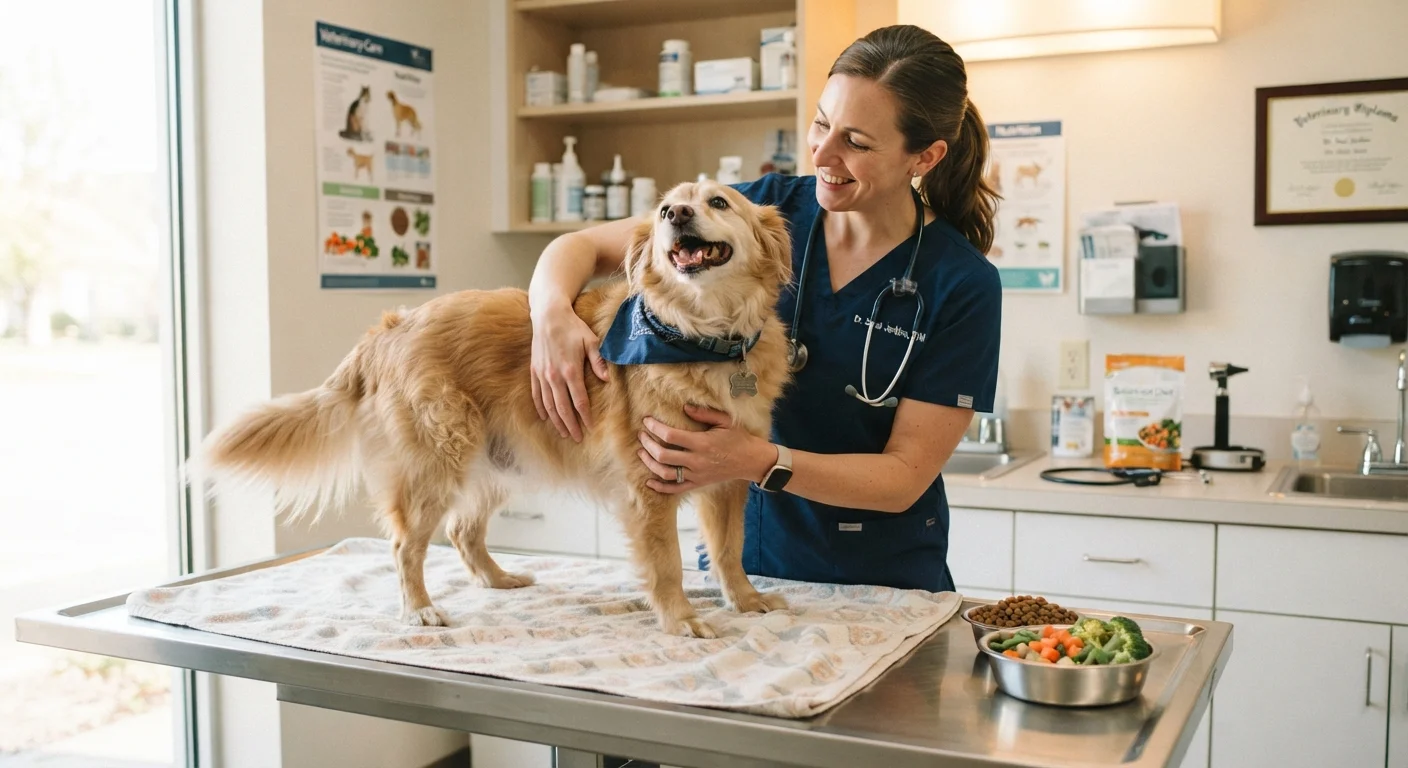
Photo: BridgeWish.com | Reliable Source Of Information editorial
Key Takeaways
- Grain-free diets are not inherently healthier for most dogs or cats, and may carry cardiac risks.
- Raw diets carry real bacterial contamination risks for both pets and the humans who handle them.
- Cats are obligate carnivores with nutritional needs dogs do not share — one size does not fit all.
- AAFCO-approved commercial foods meet established nutrient requirements for most healthy pets.
- Your veterinarian is the most reliable source for individualized feeding guidance.
Why Pet Nutrition Myths Spread So Easily
Pet nutrition is one of the most emotionally charged areas of animal care. Owners want the very best for their companions, which makes them vulnerable to confident-sounding claims on packaging, social media, and well-meaning forums. The result: a landscape full of persistent myths that even experienced pet owners repeat as fact.
Veterinarians and veterinary nutritionists spend a significant amount of time in appointments correcting these misconceptions — not because owners are careless, but because the myths are genuinely persuasive. Understanding where the evidence actually stands helps you make feeding decisions with real confidence rather than marketing-driven anxiety.
For a broader look at how similar confusion affects behavior decisions, see pet behavior myths many owners still believe.
Myth
Grain-free diets are healthier for all dogs and cats because grains are unnatural fillers.
Fact
Most pets tolerate grains well, and grain-free diets have been linked in ongoing FDA investigations to a form of heart disease called dilated cardiomyopathy (DCM) in dogs.
The grain-free trend borrowed heavily from human low-carb movements, not veterinary research. Grains like brown rice and oats are digestible energy sources that also supply fiber and micronutrients. True grain allergies exist in pets but are far less common than food marketing implies — protein sources (chicken, beef) are more frequent allergens than grains.
The FDA began investigating a potential link between grain-free diets high in legumes and DCM in dogs in 2018. While the exact mechanism remains under study, veterinary cardiologists have urged caution, particularly for breeds already predisposed to heart conditions. Speak with your vet before switching to a grain-free formula.
Myth
Raw diets are more natural and therefore safer and more nutritious than commercial pet food.
Fact
Raw diets carry documented risks of bacterial contamination — including Salmonella and Listeria — for both pets and the people handling the food, and many are nutritionally incomplete.
The American Veterinary Medical Association (AVMA) and the FDA have both raised concerns about raw meat-based diets due to contamination risks. Studies have cultured dangerous pathogens from commercially prepared raw pet foods, and these bacteria can be shed in pet feces, posing risks to immunocompromised individuals in the household.
Nutritional completeness is a separate issue: many homemade raw diets are deficient in calcium, phosphorus, or key vitamins unless carefully formulated by a board-certified veterinary nutritionist. 'Natural' does not automatically mean balanced or safe. If raw feeding interests you, consult a veterinary nutritionist before starting.
Myth
Dogs and cats have essentially the same nutritional needs, so the same food works for both.
Fact
Cats are obligate carnivores with specific requirements — including taurine, arachidonic acid, and preformed vitamin A — that dogs can synthesize on their own. Feeding a cat dog food can cause serious deficiencies.
Unlike dogs, cats cannot produce sufficient taurine (an amino acid critical for heart and eye health), cannot convert beta-carotene into vitamin A, and require arachidonic acid from animal fat. Dog food is not formulated to meet these feline-specific needs. Cats fed exclusively on dog food over time can develop taurine deficiency-related heart disease and vision problems.
Similarly, some human-grade supplements or foods safe for dogs — like certain amounts of vitamin D or onion compounds — can be toxic to cats. Species-appropriate formulations matter enormously, and the AAFCO maintains separate nutrient profiles for dogs and cats for exactly this reason.
Myth
Homemade diets are always better than commercial pet food because you control every ingredient.
Fact
Without guidance from a veterinary nutritionist, homemade diets are frequently unbalanced and may cause deficiencies or excesses that only become apparent after months of harm.
A study published in the Journal of Nutritional Science analyzed recipes from popular books and websites and found the large majority were deficient in at least one essential nutrient. Calcium-to-phosphorus imbalances are especially common in meat-heavy homemade diets and can lead to skeletal problems, particularly in growing animals.
This does not mean homemade feeding is impossible — it means it requires the same rigor as formulating a diet for any living being. If you want to cook for your pet, work with a board-certified veterinary nutritionist (not just a general-practice vet) to ensure the recipe is truly complete and balanced for your pet's life stage.
Myth
Senior pets need dramatically less protein to protect their kidneys.
Fact
Current evidence suggests healthy senior dogs and cats may actually benefit from maintained or increased high-quality protein intake, not restriction, to preserve muscle mass.
Protein restriction was once recommended broadly for aging pets, based on older studies linking high protein intake to kidney disease progression. Veterinary nutritionists have since clarified that protein restriction is appropriate only for pets with diagnosed kidney disease, as confirmed by bloodwork — not as a preventive measure for all seniors.
In healthy older animals, adequate protein supports muscle maintenance and immune function. Sarcopenia (muscle loss with age) is a real concern in aging dogs and cats, and insufficient protein accelerates it. Your veterinarian can run kidney function panels to determine whether protein restriction is clinically warranted for your individual pet. See our guide on overfeeding and its long-term effects for related context on life-stage nutrition.
What the Evidence Actually Supports
The through-line in all of these myths is the gap between appealing narratives and rigorous nutritional science. Feeding your pet well does not require avoiding entire macronutrient categories, choosing the most expensive option, or following trends rooted more in human dietary culture than veterinary evidence.
90%+
Homemade pet diet recipes found nutritionally deficient
A study in the Journal of Nutritional Science found that the vast majority of homemade pet diet recipes from popular sources lacked at least one essential nutrient.
~1–2%
Dogs with confirmed food allergies to grains
Veterinary dermatology research consistently shows that protein sources — not grains — account for the majority of food allergy reactions in dogs.
2x
More likely: pathogens found in raw vs. conventional pet food
FDA and peer-reviewed sampling studies have found Salmonella and Listeria at higher rates in commercially sold raw pet food compared to heat-processed alternatives.
When evaluating any pet food, look for an AAFCO (Association of American Feed Control Officials) nutritional adequacy statement on the label — it confirms the food has been formulated or tested to meet established minimum nutrient profiles. If your pet has a specific health condition, age-related need, or unusual behavior around food, a conversation with your veterinarian is far more valuable than any online guide. For a practical side-by-side comparison of food formats, explore the nutritional differences between dry kibble and wet food.
Switching Diets Abruptly Can Cause Digestive Upset
Staying curious and open to correction is one of the best things you can do as a pet owner. The science of companion animal nutrition continues to evolve, and your veterinary team is your most reliable partner in applying it to your specific animal. For more guidance on recognizing when a health concern deserves professional attention, visit our Pet Health & Vet hub.
This article is for general informational purposes only and does not constitute veterinary or medical advice. Always consult a licensed veterinarian for guidance specific to your pet's health and nutritional needs.
The content on this site is for informational purposes only and is not a substitute for professional advice. Always consult a qualified professional for guidance specific to your situation.