
Dental Health in Dogs and Cats: What Owners Often Overlook

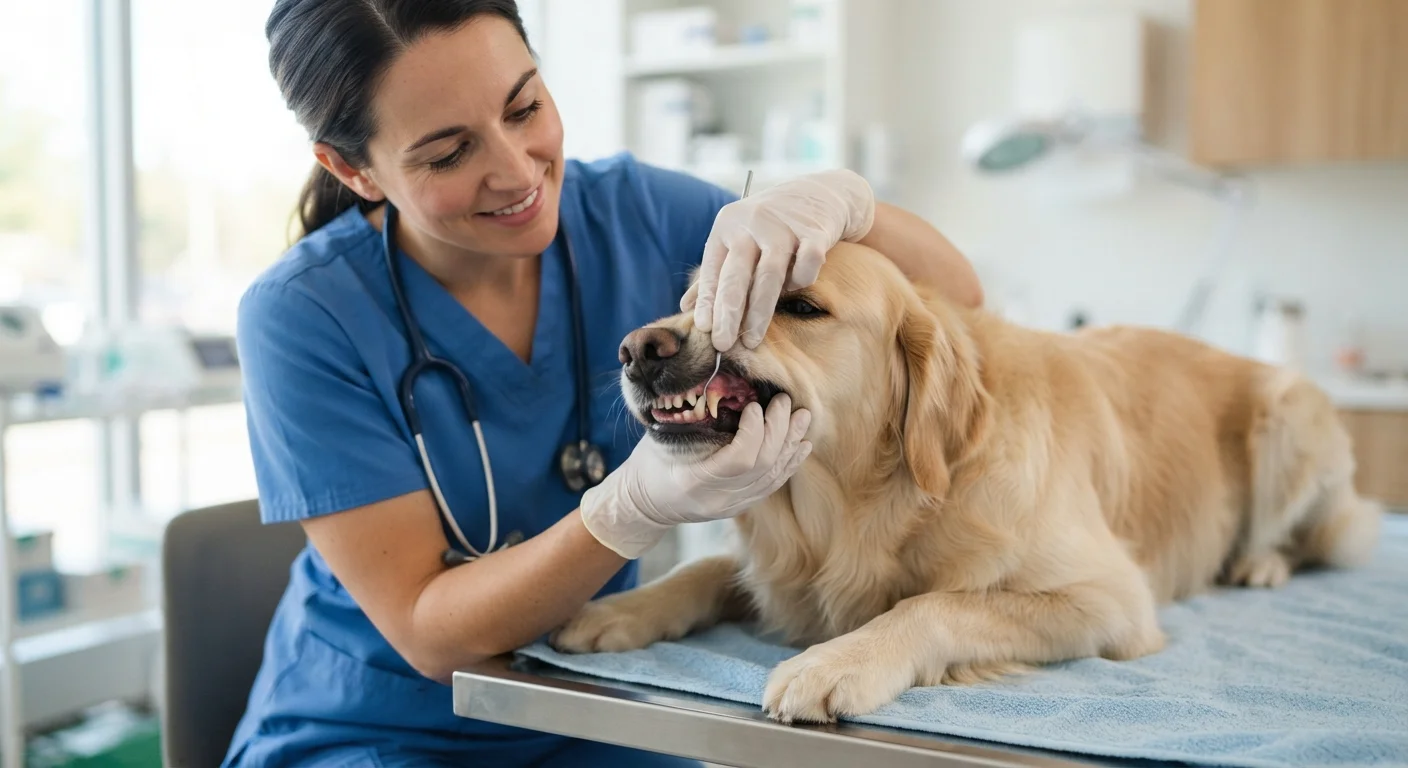
Photo: BridgeWish.com | Reliable Source Of Information editorial
Key Takeaways
- By age three, most dogs and cats show some degree of dental disease, often without obvious symptoms.
- Bad breath in pets is a warning sign, not a normal trait — it usually signals bacterial buildup or infection.
- Daily tooth brushing is the single most effective at-home prevention tool recommended by veterinarians.
- Professional dental cleanings under anesthesia remain the gold standard for removing tartar below the gum line.
- Untreated dental disease can contribute to systemic health problems affecting the heart, kidneys, and liver.
Why Pet Dental Health Gets Overlooked
Most pet owners never see their animal's teeth up close. Unlike a limping leg or a change in appetite, dental disease hides in plain sight — behind closed lips, progressing silently for months or years. By the time bad breath, drooling, or reluctance to eat becomes noticeable, the underlying disease is often well advanced.
According to the American Veterinary Medical Association (AVMA), periodontal disease (infection and inflammation of the structures surrounding the teeth) is among the most commonly diagnosed conditions in adult dogs and cats. Yet surveys consistently suggest that most pet owners don't brush their pets' teeth and many have never scheduled a dental cleaning. For a deeper look at why this gap exists, see our overview of how dental disease is underestimated in companion animals.
Pets Hide Dental Pain Well
What Healthy Pet Teeth Look Like
Knowing what's normal is the first step toward spotting a problem. In a healthy mouth, your dog's or cat's teeth should be white to slightly off-white, firm at the gumline, and free of visible brown or yellow buildup (called tartar or calculus). Gums should appear a healthy pink — not red, swollen, or receding.
Plaque, the soft film of bacteria that coats teeth after eating, is invisible but forms constantly. When it mineralizes — typically within days — it hardens into tartar, which cannot be removed by brushing alone and eventually drives gum inflammation (gingivitis). Left untreated, gingivitis advances to periodontitis, which destroys bone and soft tissue and can cause tooth loss. If you're learning to monitor your pet's overall health signals, our introduction to reading animal health signs is a helpful starting point.
80%
Dogs with dental disease by age three
The American Veterinary Medical Association estimates that around 80% of dogs show signs of periodontal disease by the time they reach three years of age.
70%
Cats with dental disease by age three
Similarly, veterinary dental guidelines suggest approximately 70% of cats develop signs of oral disease by age three, often progressing undetected without routine exams.
Best Practices for Pet Dental Care
Consistent, layered care makes the biggest difference. The practices below are drawn from veterinary dental guidelines and widely supported by animal health organizations.
Brush your pet's teeth daily using a pet-safe toothpaste
Schedule a professional veterinary dental exam at least once a year
Offer veterinary-approved dental chews or toys as a supplement — not a substitute — for brushing
Lift your pet's lips and visually inspect their teeth and gums monthly
Consider diet's role in oral health when making feeding decisions
Quick Wins You Can Start Today
Even small changes in routine can meaningfully reduce plaque accumulation and catch problems earlier. The following actions require no special equipment to begin.
“Periodontal disease is the most common clinical condition occurring in adult dogs and cats, and it is entirely preventable. By three years of age, most pets have some evidence of periodontal disease.”
— American Veterinary Medical Association, National veterinary organization representing over 99,000 veterinarians in the United States
When to Call the Vet
Home care is essential, but it doesn't replace professional evaluation. Schedule a veterinary dental exam if you notice any of the following: persistent bad breath, visible tartar, red or bleeding gums, difficulty chewing, pawing at the mouth, drooling more than usual, or loose teeth. Some pets — especially small breeds and flat-faced (brachycephalic) cats and dogs — are genetically predisposed to crowded or misaligned teeth and may need more frequent professional care.
Professional cleanings are performed under general anesthesia so the veterinarian can safely scale below the gum line, probe for pockets of infection, and take dental X-rays to assess root and bone health. Anesthesia-free dental cleanings, sometimes offered at non-veterinary facilities, only address visible surfaces and are not considered equivalent to a full professional cleaning by major veterinary organizations.
Dental disease doesn't stay in the mouth. Research suggests that chronic oral infections may contribute to inflammation elsewhere in the body. Our article on chronic conditions in pets explains how systemic disease can develop over time.
This article is for general educational purposes and does not constitute veterinary medical advice. Always consult a licensed veterinarian for guidance specific to your pet's health needs.
The content on this site is for informational purposes only and is not a substitute for professional advice. Always consult a qualified professional for guidance specific to your situation.