
Dental Disease in Dogs and Cats Is Vastly Underestimated

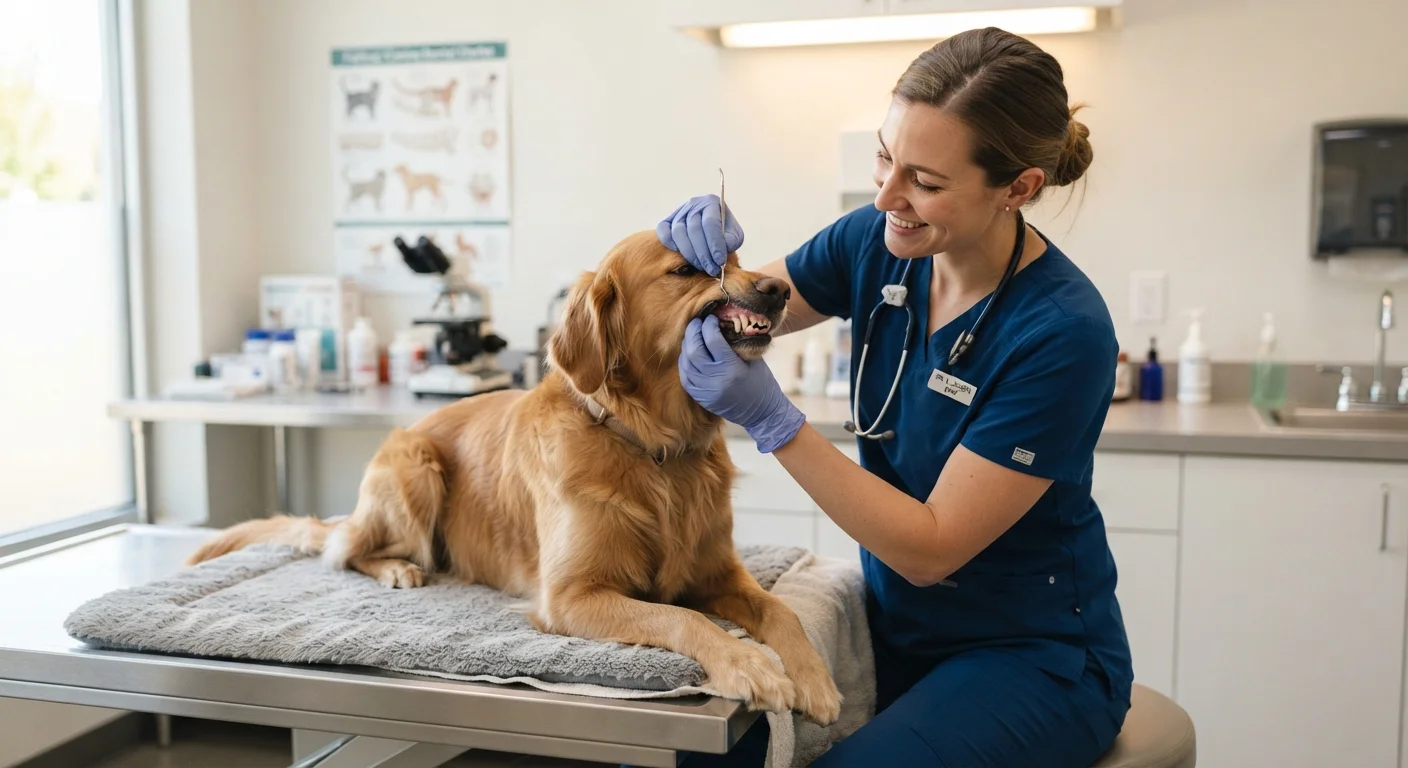
Photo: BridgeWish.com | Reliable Source Of Information editorial
Key Takeaways
- Most pets show no obvious pain even when dental disease is advanced.
- Bacteria from the mouth can travel to the heart, kidneys, and liver over time.
- Dental disease is largely preventable with consistent at-home and professional care.
- Annual veterinary exams are the most reliable way to catch early-stage disease.
- Cats hide dental pain especially well, making professional checks essential.
Why Dental Disease Gets Overlooked
It's one of the most common health problems in dogs and cats — and one of the most missed. Dental disease doesn't usually announce itself dramatically. Pets rarely refuse food outright or cry in obvious pain, which leads many owners to assume everything is fine. In reality, animals are wired to mask discomfort, a survival behavior that can make serious oral disease nearly invisible to even the most attentive owner.
A pet that's quietly struggling with infected gums or a painful tooth may show only subtle cues: slightly less enthusiasm at mealtime, a preference for one side of the mouth, more frequent pawing at the face, or a change in play habits. These signs are easy to attribute to aging or mood. That's why dental disease so often reaches an advanced stage before it's diagnosed.
See our guide to overlooked oral health signs for a closer look at what warning signals actually look like in everyday life.
Cats Are Especially Prone to Hidden Pain
What's Actually Happening Inside Your Pet's Mouth
Dental disease in pets follows a predictable progression. Plaque — a film of bacteria — forms on teeth after eating. Without regular removal, it mineralizes into tartar (also called calculus) within days. Tartar provides a rough surface where more bacteria accumulate, driving inflammation of the gums known as gingivitis.
At this stage, the damage is still reversible with professional cleaning. But if gingivitis goes unaddressed, it advances to periodontitis — destruction of the deeper structures supporting the teeth. Bone loss follows, teeth loosen, and bacteria gain a direct route into the bloodstream.
This systemic spread is why veterinary professionals treat oral disease as a whole-body concern. Research has documented associations between chronic periodontal infection and stress on the heart, kidneys, and liver. For pets already managing chronic conditions like kidney disease, untreated dental disease can complicate an already fragile health picture.
~80%
Dogs affected by periodontal disease by age 3
According to estimates widely cited in veterinary literature and professional dental organizations.
~70%
Cats affected by dental disease by age 3
Veterinary dental specialists note that cats often develop disease earlier and hide symptoms more effectively than dogs.
#1
Most diagnosed condition in adult pets
Periodontal disease is consistently ranked as the most common clinical finding in dogs and cats seen by veterinarians.
Prevention: What It Actually Requires
The good news is that dental disease is largely preventable — but prevention requires consistency. Daily toothbrushing using a pet-safe toothpaste remains the most effective at-home strategy veterinarians recommend. It's not glamorous, and it takes patience to introduce, but it meaningfully reduces plaque accumulation between professional cleanings.
Other tools — dental chews, water additives, and specially formulated diets — can offer supplemental support, but none replaces brushing or professional care. Look for products that carry the Veterinary Oral Health Council (VOHC) seal, which indicates independent evidence of effectiveness.
Professional cleanings under anesthesia allow veterinarians to clean below the gumline, take dental X-rays, and assess each tooth individually — none of which is possible in an awake animal. Skipping anesthesia may seem safer, but it leaves the most disease-prone areas untouched. For practical guidance on building a home routine, visit our overview of what owners can realistically do between vet visits.
Start Tooth Brushing Early and Go Slowly
Making the Most of Your Vet Partnership
Annual wellness exams are your most reliable safety net. A veterinarian can detect early gum inflammation, loose teeth, and oral masses long before a pet shows behavioral symptoms. If your pet is already overdue, there's no shame in starting now — early intervention consistently leads to better outcomes than waiting.
During any wellness visit, ask your veterinarian to walk you through the state of your pet's mouth specifically. Request dental X-rays if they haven't been done recently — they reveal bone loss and tooth root disease invisible to the naked eye. A routine annual visit is the right time to build this into your care plan.
If cost is a concern, ask your vet about staging care — for example, addressing the most urgent teeth first or exploring payment options your practice may offer. The conversation is always worth having.
This article is for general informational and educational purposes only and is not a substitute for professional veterinary advice, diagnosis, or treatment. Always consult a licensed veterinarian regarding your pet's specific health needs.
Frequently Asked Questions
The content on this site is for informational purposes only and is not a substitute for professional advice. Always consult a qualified professional for guidance specific to your situation.