
Pet Care Basics

Why Pets Need Dental Care—and What Owners Can Realistically Do at Home

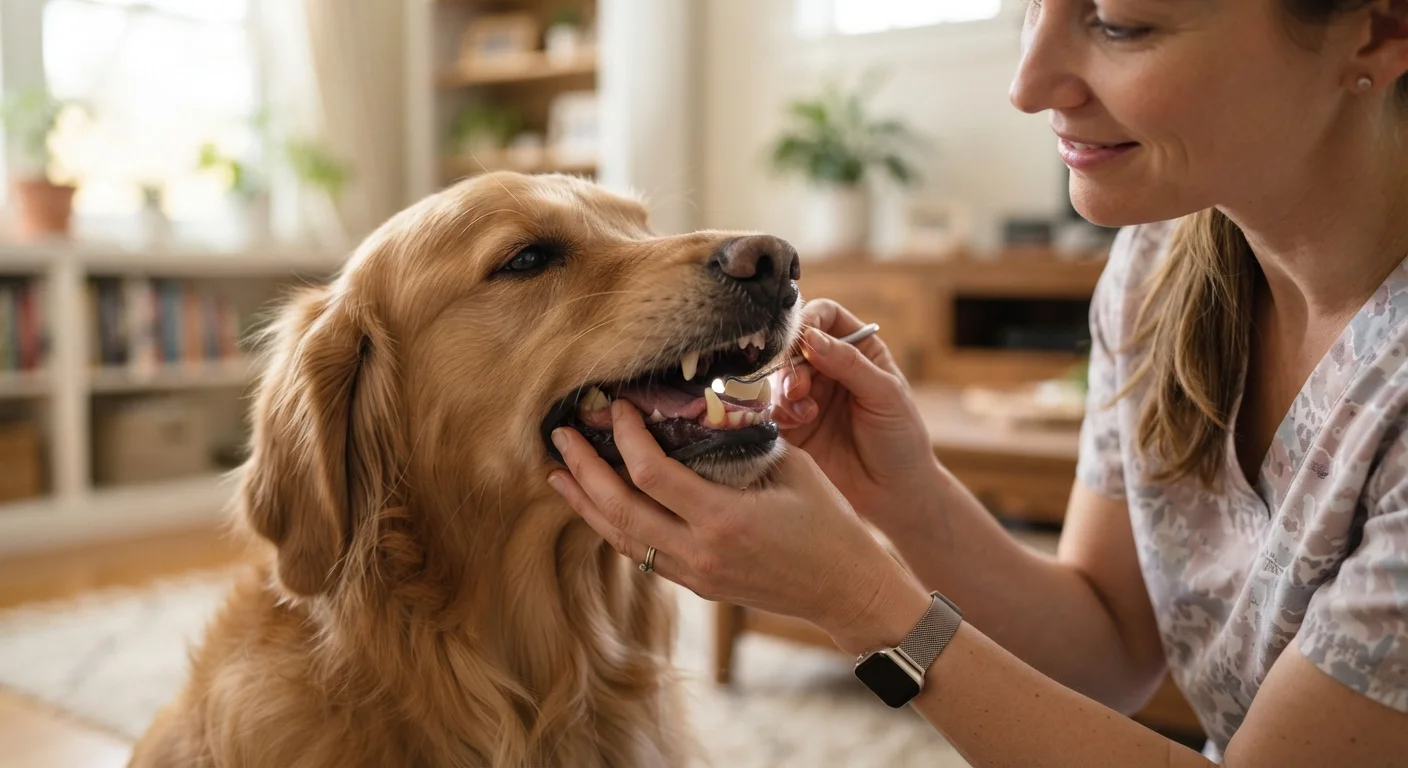
Why Pets Need Dental Care—and What Owners Can Realistically Do at Home

Photo: BridgeWish.com | Reliable Source Of Information editorial

Dental disease is one of the most common health issues in pets. Understand the basics of oral hygiene and what you can safely do between vet visits.

Key Takeaways

  • Dental disease affects the majority of dogs and cats by age three, making early prevention critical.
  • Daily tooth brushing with pet-safe toothpaste is the single most effective home care habit.
  • Several vet-approved alternatives exist for pets who resist brushing — no single approach fits all.
  • Home care supplements, but never replaces, professional dental cleanings recommended by your vet.
  • Warning signs like bad breath, drooling, or reluctance to eat deserve prompt veterinary attention.

How Common Is Dental Disease in Pets?

Dental disease — technically called periodontal disease — is one of the most frequently diagnosed health conditions in companion animals. Veterinary organizations estimate that by age three, a significant majority of dogs and cats show some degree of dental disease. Yet because pets rarely signal tooth pain the way humans do, the problem is chronically underrecognized by owners.

Plaque forms on teeth within hours of eating. When it isn't removed, it hardens into tartar, which irritates the gum line and eventually causes infection, tooth loss, and — in more advanced cases — bacterial spread that can affect the heart, kidneys, and liver. Understanding that this is a progressive disease, not a cosmetic one, is where good home care begins. For a broader look at monitoring your pet's overall health, see our introduction to animal health.

~80%

Dogs with dental disease by age three

The American Veterinary Medical Association notes that most dogs show signs of periodontal disease by their third birthday.

70%+

Cats affected by dental disease by age three

Veterinary dental specialists estimate a similar prevalence in cats, with tooth resorption being particularly common.

Best Practices for At-Home Dental Care

The good news is that consistent, modest effort at home delivers meaningful results. Below are the practices most supported by veterinary consensus — along with honest notes on what's realistic for different pets.

1

Brush your pet's teeth daily using a pet-safe toothpaste

Daily brushing physically disrupts plaque before it can harden into tartar. Human toothpaste contains ingredients like fluoride and xylitol that are toxic to animals, so only formulations designed for pets should be used. Consistency matters far more than intensity — a brief daily session outperforms an occasional thorough one.
Example: A dog owner who spends 60 seconds brushing the outer surfaces of their dog's teeth each evening after dinner significantly slows plaque accumulation compared to brushing just once a week.
2

Offer veterinary-approved dental chews as a supplemental tool

Chewing creates mechanical abrasion that can reduce plaque on tooth surfaces. Products that carry the Veterinary Oral Health Council (VOHC) seal have been independently tested and shown to meet efficacy standards for plaque or tartar reduction. They work best as a complement to brushing, not a substitute.
Example: A cat owner whose cat resists brushing entirely uses a VOHC-accepted dental chew daily as a partial mitigation strategy while working with their vet on longer-term options.
3

Use dental water additives or prescription dental diets if brushing isn't possible

Some pets simply will not tolerate a toothbrush despite patient training. Veterinarian-recommended water additives and specially formulated dental diets offer alternative avenues for plaque control. These tools vary in effectiveness and are best discussed with a vet before use.
Example: A cat living with an elderly owner who has limited hand dexterity benefits from a VOHC-accepted water additive added to the water bowl each day.
4

Schedule regular professional dental evaluations with your veterinarian

Home care cannot remove established tartar or assess problems below the gum line. Annual — or more frequent — professional cleanings allow vets to perform scaling, probing, and dental X-rays that catch disease before it becomes painful or systemic. Delaying professional care is one of the most common and consequential oversights in pet ownership.
Example: During a routine annual exam, a vet identifies early-stage periodontal disease in a four-year-old Labrador and schedules a cleaning that prevents tooth loss and eliminates a source of chronic low-grade infection.
5

Know the warning signs that require a vet visit promptly

Persistent bad breath beyond mild odor, excessive drooling, pawing at the mouth, difficulty chewing, or visible red and swollen gums all signal that dental disease may have progressed. Because pets instinctively hide discomfort, these signs often appear only once disease is already moderate to severe.
Example: An owner who notices their cat suddenly preferring soft food and dropping kibble from its mouth brings the cat in; the vet finds three teeth requiring extraction due to tooth resorption.

Starting Small: Building a Dental Routine Without a Struggle

Many owners abandon dental care because the first few attempts go badly. The most effective approach is gradual desensitization — introducing each step slowly before expecting full cooperation.

Make It a Positive Experience First

Never force your pet's mouth open during early training — this creates fear that makes future attempts harder. Use small, calm rewards immediately after each successful step. If your pet shows stress signals like pulling away or freezing, slow down and go back to the previous step. Progress that sticks is always better than progress that's rushed.

Begin by simply touching your pet's muzzle and lifting the lip for a few seconds, then rewarding calmly. Over several days, progress to rubbing a finger along the gum line. Only after your pet is comfortable with that step should you introduce a toothbrush or finger brush. This patience-first method mirrors the same calm technique used in other handling routines — similar principles apply in stress-free at-home grooming.

high Look at your pet's teeth and gums today — check for redness, visible tartar buildup, or an unusually strong odor from the mouth.
high Pick up a pet-safe toothpaste and finger brush on your next errand, and spend two minutes letting your pet sniff and lick the toothpaste to build positive association.
medium Ask your vet at the next visit to score your pet's dental health and recommend a cleaning schedule — many owners don't know this assessment exists.

When Home Care Isn't Enough

Home care is genuinely valuable, but it has limits. Tartar that has already bonded to tooth surfaces cannot be removed by brushing alone — it requires professional scaling under anesthesia, which is the standard of care recommended by veterinary dental specialists. Most vets recommend professional cleanings at least annually for many pets, though frequency depends on breed, age, and individual oral health.

Certain dogs — especially flat-faced (brachycephalic) breeds like Bulldogs and Pugs — and some small dog breeds are predisposed to faster plaque accumulation and may need more frequent professional care. As pets age, dental concerns typically intensify; our article on senior pet health needs covers how to stay proactive with older animals.

Anesthesia-Free Dental Cleanings: A Word of Caution

Some groomers and pet stores offer anesthesia-free teeth cleaning services. Veterinary dental organizations, including the American Veterinary Dental College, advise that these procedures cannot safely or effectively address disease below the gum line and may give owners false reassurance. Discuss any dental procedure options with your veterinarian before proceeding.

This article is for general informational purposes and does not constitute veterinary advice. Always consult a licensed veterinarian for guidance specific to your pet's health needs.

Pets Editorial Team

BridgeWish.com | Reliable Source Of Information

Pets Editorial Team is the collective byline for our editorial team and contributor network. Articles published under this byline or an editorial pen name are researched, written, and reviewed according to our editorial standards for clarity, consistency, and independence before publication.

Pet Care BasicsPet Health & VetPet Behavior & Training
View author profile

The content on this site is for informational purposes only and is not a substitute for professional advice. Always consult a qualified professional for guidance specific to your situation.