
At-Home Grooming Without the Stress: Practical Techniques for Nervous Pets

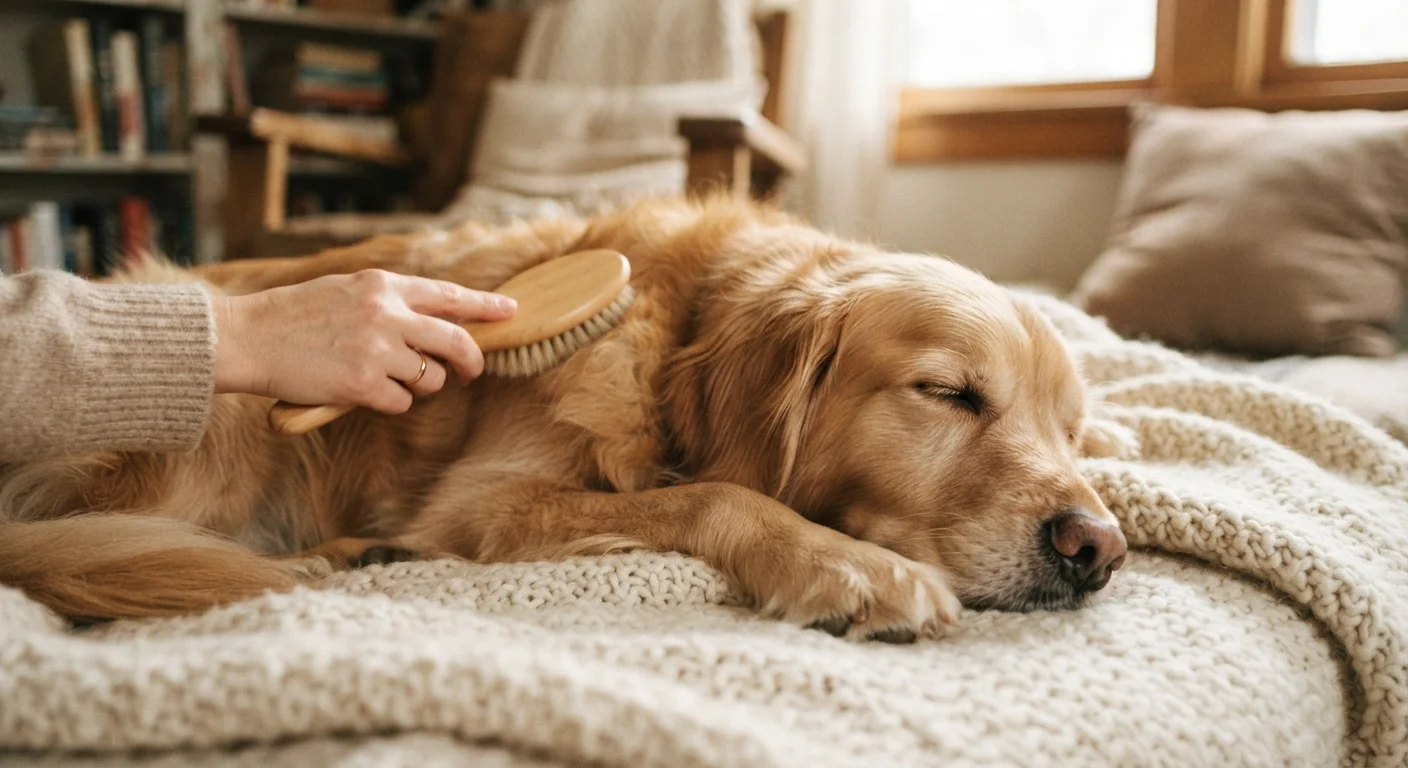
Photo: BridgeWish.com | Reliable Source Of Information editorial
Key Takeaways
- Short, positive grooming sessions repeated frequently are more effective than infrequent, lengthy ones.
- Desensitization — gradually introducing tools before using them — reduces fear responses significantly.
- Reading your pet's stress signals early prevents grooming from becoming a traumatic experience.
- High-value treats and calm body language from owners directly influence how pets respond to grooming.
- Some pets may need veterinary guidance or professional support before home grooming becomes manageable.
Why Grooming Feels Overwhelming for Some Pets
Many pets don't arrive fearful of brushes or nail clippers — that anxiety often builds gradually through rushed handling, restraint, or discomfort during early grooming experiences. Understanding what's driving the stress is the first step toward changing it.
Pets communicate discomfort through body language long before they growl or bite. Flattened ears, tucked tails, whale-eye (showing the whites of the eyes), lip licking, and attempts to move away are all early signals worth taking seriously. Ignoring these cues and pushing through grooming anyway teaches your pet that their warnings don't work — which often escalates the behavior over time. Our related article on how pets experience and express stress covers these signals in greater depth.
The good news is that even pets with a history of grooming fear can learn to tolerate — and sometimes even enjoy — routine care. The key lies in moving at the animal's pace, pairing every step with positive associations, and keeping sessions short enough to end on success.
What you will need
Setting Up for a Calmer Session
Before you pick up a single tool, invest a few minutes in setup. The environment matters enormously for anxious animals. Choose a quiet room your pet already feels comfortable in, away from household noise or other animals. A non-slip mat on a stable surface reduces physical insecurity, which is a surprisingly common source of distress during grooming.
Gather everything you'll need beforehand so you aren't rummaging through drawers mid-session. For coat-specific tool guidance, our at-home grooming guide by coat type is a useful companion resource. Keep high-value treats — something your pet rarely gets otherwise — within easy reach. Your own state of mind matters too: if you're tense or rushed, your pet will feel it. Take a breath, keep your movements slow and deliberate, and plan for the session to take longer than you think it should.
Keep Sessions Under Their Stress Threshold
Step-by-Step: Grooming a Nervous Pet
The following steps apply broadly to dogs and cats, though the specific tools and tolerance levels vary by species, breed, and individual temperament. Work through these gradually — some pets may need several short sessions just to get comfortable with Step 1 before progressing.
Introduce the tools without using them
Place the brush, clippers, or other tools near your pet without touching them with it. Let your pet sniff and investigate at their own pace. Reward calm investigation with a treat and calm praise. Repeat this over one or more sessions until your pet shows no stress response to the tool's presence.
Practice touch before grooming begins
Before using any tool, practice gently handling the body parts involved — paws, ears, muzzle. Touch for one second, treat, release. Gradually increase the duration of handling across multiple sessions. This is called desensitization, and it teaches your pet that being touched in sensitive areas predicts good things rather than discomfort.
Start grooming in short bursts
Begin with one or two brush strokes — or a single paw for nail trims — and immediately follow with a treat and a break. The session can be as short as 30 seconds if that's what keeps your pet below their stress threshold. End every session while your pet is still calm, not after they've already become distressed.
Gradually extend the grooming time
Once your pet consistently stays calm through short sessions, slowly increase the duration — adding a few more brush strokes or moving from one paw to two. There's no fixed timeline for this progression. Some pets advance in days; others need weeks. Follow your pet's signals rather than a schedule.
Close each session positively
End with a treat, a favorite activity, or calm affection — whatever your pet responds to best. This final positive moment is what your pet's memory tends to anchor to, so make it count. Over time, a consistent positive ending reinforces the overall experience as safe and manageable.
If your pet's anxiety seems severe — trembling, attempting to bite, or freezing completely — consult your veterinarian before continuing. In some cases, a referral to a veterinary behaviorist or a fear-free certified groomer is the most compassionate next step. Mental enrichment outside of grooming sessions can also support overall calmness; see our article on enrichment for calmer pet behavior for practical ideas.
Know When to Seek Professional Help
Keeping Progress Consistent Over Time
One successful session doesn't mean grooming anxiety is resolved — consistency is what builds lasting comfort. Short, frequent practice sessions (even two to three minutes of handling ears or paws without any actual grooming) reinforce the association between touch and good things. Think of it as a slow, ongoing conversation with your pet rather than a task to check off.
Track what your pet tolerates well versus what triggers visible stress, and use that information to adjust your approach. Some animals do better with grooming after exercise, when they're naturally calmer. Others benefit from a predictable pre-grooming routine — the same mat, the same room, the same sequence of events — that signals safety before anything begins. If you have a new or recently adopted pet, our guide on creating a safe space for anxious pets can help build the broader foundation of security that makes grooming easier.
Remember: your goal isn't a perfectly groomed pet after every session. Your goal is a pet who trusts you during vulnerable moments — and that trust, built patiently, is worth far more.
This article is for general informational and educational purposes only. It is not a substitute for professional veterinary advice. If your pet shows signs of significant anxiety or aggression during grooming, consult a licensed veterinarian or certified animal behaviorist.
The content on this site is for informational purposes only and is not a substitute for professional advice. Always consult a qualified professional for guidance specific to your situation.