
Setting Up a Safe Space at Home for Anxious or New Pets

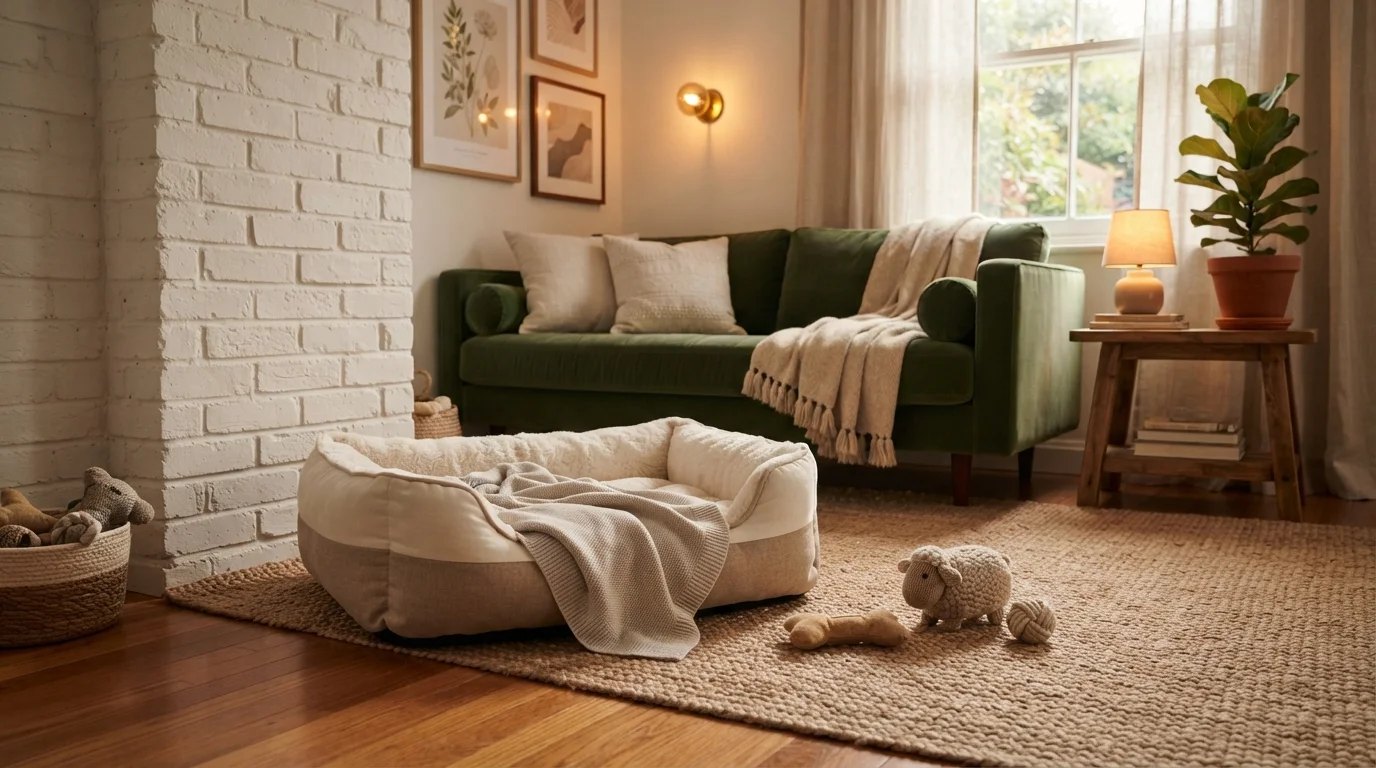
Photo: BridgeWish.com | Reliable Source Of Information editorial
Key Takeaways
- Location matters — choose a quiet, low-traffic area away from loud appliances and doors.
- Familiar scents and consistent bedding help pets feel secure faster in a new environment.
- Covering sightlines with a crate cover or enclosure walls reduces visual overstimulation.
- Gradual exposure to the rest of the home prevents overwhelm during the adjustment period.
- Persistent anxiety that doesn't ease within a few weeks may warrant a veterinary consultation.
Why a Dedicated Safe Space Makes a Real Difference
When a pet arrives in a new home — or when an existing pet is going through a stressful period — their nervous system is working overtime. Unfamiliar smells, sounds, faces, and layouts all register as potential threats. Without a predictable retreat, pets may respond with hiding, destructive behavior, excessive vocalization, or physical symptoms like reduced appetite.
A dedicated safe space gives your pet one zone they can reliably return to — a place where the sensory input is controlled, the boundaries are consistent, and nothing unexpected happens. Over time, that predictability becomes a foundation for confidence. Think of it less as a cage and more as a home base.
To understand the broader picture of how stress affects animal behavior, our article on how pets experience stress covers the signals to watch for and the everyday habits that can help or unintentionally compound the problem.
What you will need
How to Set Up Your Pet's Safe Space
Follow these steps to build a calm, functional retreat for your pet. While the specifics vary slightly between dogs, cats, small mammals, and birds, the core principles apply across species.
Choose the Right Location
Select a spot that is quiet, low-traffic, and away from loud appliances (dishwashers, washing machines, televisions set to high volume) and exterior doors where sudden sounds and drafts occur. For cats, a slightly elevated or tucked-away position — such as a corner behind furniture — often feels more secure. For dogs, a space with a wall on at least one side reduces the feeling of exposure. Avoid placing the space in an isolated room where the pet has zero social access; most animals find complete isolation more stressful, not less.
Set Up Bedding with Familiar Scents
Line the space with soft, washable bedding. If your pet came from another home, shelter, or breeder, ask whether you can bring a small cloth or blanket that carries familiar scents — this can meaningfully shorten the adjustment period. If that isn't possible, place a worn (but clean) t-shirt or pillowcase with your own scent in the bedding before the pet arrives. Avoid heavily scented detergents or fabric softeners, as these can be overwhelming for animals with sensitive noses.
Reduce Visual Overstimulation
Open sightlines can increase alertness and vigilance in anxious pets. Draping a breathable blanket or towel over three sides of a crate, or positioning a cat's enclosure against a wall, limits how much activity the pet must monitor at once. Ensure airflow is never blocked. For open-plan safe spaces (like a gated corner), use furniture or a low divider to create a partial enclosure effect without full confinement.
Introduce the Space Gently Before You Need It
Before your pet arrives — or before a stressful event like a move or the arrival of a new family member — introduce the safe space as a neutral, positive zone. Place treats just inside the entrance. Let the pet explore at their own pace without being pushed in or closed inside. For a new pet, allow them to discover the space within the first hour of arriving home rather than placing them inside immediately.
Manage Sound and Light Levels
Keep the area away from sudden loud noises. Soft background sound — a fan's white noise or quiet ambient audio — can buffer startling sounds from outside the home. Avoid placing the space near windows facing a busy street if your pet reacts to visual movement. In the first week especially, dim lighting during rest times can support a calmer physiological state for many animals.
Expand Access Gradually, on the Pet's Timeline
Once your pet regularly retreats to and rests comfortably in their safe space — typically after several days to a week — you can begin allowing supervised exploration of adjacent areas. Open one room at a time. Let the pet return to their safe space whenever they choose; never block access as a training tactic. The goal is a pet that feels secure enough to voluntarily explore, not one that is forced into exposure.
Consistency Is the Core of Comfort
Once your pet is using their space comfortably, you can begin thinking about how mental enrichment can sustain that calm long-term. Our guide on enrichment for pet behavior explains how mental stimulation reduces anxiety and boredom-driven habits.
Troubleshooting and When to Seek Help
Most pets warm up to a safe space within a few days to a couple of weeks, but progress isn't always linear. Here are common situations and what they typically mean:
- Pet refuses to enter the space: Try moving the space to a quieter location, adding an item with your scent, or placing high-value treats just inside the entrance without any pressure to go further.
- Pet enters but remains visibly tense: Reduce stimulation further — dim lighting, limit nearby foot traffic, and consider whether the enclosure is open enough or too open for that particular animal.
- Pet seems fine in the safe space but anxious elsewhere: This is normal early on. Gradual, voluntary expansion into other rooms at the pet's pace is the goal. Avoid forcing exploration.
When Anxiety Goes Beyond a Normal Adjustment
If your dog is specifically struggling when left alone, teaching a puppy to stay alone without anxiety offers a step-by-step approach to building independence gradually. For deeper concerns about separation anxiety across species and ages, see our guide to understanding separation anxiety for signs that warrant professional support.
Before moving on to formal training after your pet has settled, the readiness checklist for new pet owners is a helpful next step.
This article provides general pet care information and is not a substitute for professional veterinary or animal behaviorist guidance. If your pet shows persistent signs of severe anxiety, consult a licensed veterinarian or certified animal behaviorist.
The content on this site is for informational purposes only and is not a substitute for professional advice. Always consult a qualified professional for guidance specific to your situation.