
Why Your Pet's Annual Vet Visit Matters Even When They Seem Healthy

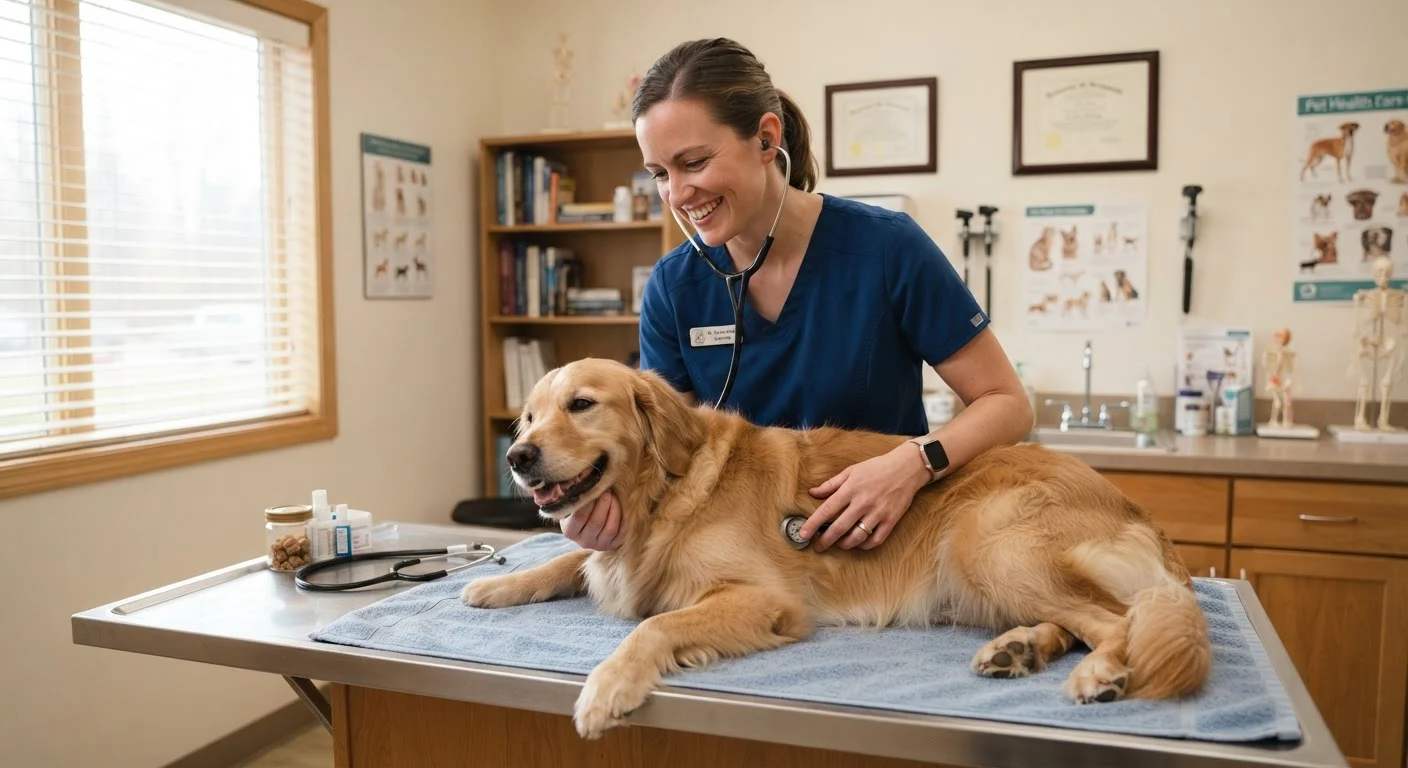
Photo: BridgeWish.com | Reliable Source Of Information editorial
Key Takeaways
- Pets instinctively hide illness, so a healthy appearance does not mean a clean bill of health.
- Annual exams give vets baseline data that makes future abnormalities easier to detect.
- Early detection of conditions like kidney disease or dental disease reduces treatment cost and complexity.
- Senior pets and those with chronic conditions typically benefit from more frequent visits.
- A yearly visit is also the right time to update parasite prevention and vaccination plans.
The Illusion of "Perfectly Healthy"
Pets are remarkably good at concealing discomfort. This instinct — inherited from wild ancestors for whom showing weakness invited danger — means that by the time most owners notice something is wrong, a condition may already be well advanced. A cat eating normally, a dog playing fetch without complaint: these are reassuring signs, but they are not a full health report.
This is the central reason veterinarians advocate for annual wellness exams regardless of how vibrant a pet looks. The exam is not about treating a problem you can see — it's about finding the one you can't. Conditions such as early-stage kidney disease, hypertension, dental disease, and certain tumors can develop silently for months or years before outward symptoms appear.
For a fuller picture of what vets are actually checking during that visit, see our walkthrough of a routine wellness exam.
Hiding Pain Is Normal for Pets
What a Yearly Exam Actually Accomplishes
Beyond the physical assessment itself, annual visits build a longitudinal health record for your pet. A vet who sees your dog every year can compare this year's weight, heart sounds, and organ palpation against prior data. A three-pound weight loss might be unremarkable in isolation — but when it follows two years of stable weight, it becomes a meaningful signal worth investigating.
A standard wellness visit typically covers:
- Full body physical exam — eyes, ears, teeth, skin, coat, lymph nodes, heart, lungs, and abdomen
- Weight and body condition scoring — obesity and underweight both carry serious health implications
- Vaccination review — updating core vaccines and discussing lifestyle-based non-core options (see our overview of pet vaccination schedules)
- Parasite prevention assessment — ensuring the current protocol is appropriate for your pet's environment and season
- Dental health check — dental disease is far more common and consequential than many owners realize
~70%
Dogs and cats with dental disease by age 3
The American Veterinary Medical Association notes that the majority of pets show signs of periodontal disease by age three, making annual dental checks a key part of wellness exams.
1 in 3
Pet cats affected by chronic kidney disease
Veterinary estimates suggest roughly one in three cats will develop chronic kidney disease at some point in their lives, a condition that progresses silently and benefits significantly from early detection.
The Real Cost of Skipping a Visit
It's understandable to weigh the cost of a routine exam against the sense that your pet is doing fine. But preventive care is almost always less expensive than treatment of an advanced condition. A urinalysis that catches early kidney disease, for example, allows for dietary and medical interventions that can extend comfortable, quality life by years — interventions that become far less effective once the condition is moderate or severe.
There's also the practical matter of parasites and infectious disease. A pet that appears symptom-free can still carry heartworm, intestinal parasites, or early tick-borne illness. The annual exam is the natural checkpoint for reviewing whether prevention is working and whether testing is warranted. Our article on common parasite prevention mistakes is worth reading alongside this one.
Bring a Written List to Every Appointment
When Annual Isn't Often Enough
The once-a-year guideline applies broadly to healthy adult pets, but it's a floor, not a ceiling. Senior dogs and cats — typically those seven years and older, though this varies by species and size — age faster relative to humans and benefit from twice-yearly checkups. The same applies to pets managing chronic conditions like diabetes, heart disease, or allergies.
If you're new to pet ownership and unsure what to expect, our guide for first-time pet owners covers how to choose a vet and prepare for that initial visit. And to get the most value from any appointment, consider reviewing questions worth asking at every vet visit.
An annual exam is one of the most straightforward, high-return investments in your pet's long-term wellbeing. It keeps your vet informed, keeps your pet protected, and keeps you from facing avoidable surprises down the road.
This article is for general informational purposes only and is not a substitute for professional veterinary advice. Always consult a licensed veterinarian for guidance specific to your pet's health.
Frequently Asked Questions
The content on this site is for informational purposes only and is not a substitute for professional advice. Always consult a qualified professional for guidance specific to your situation.