
Pet Care Basics

Where Pet Owners Go Wrong With Parasite Prevention

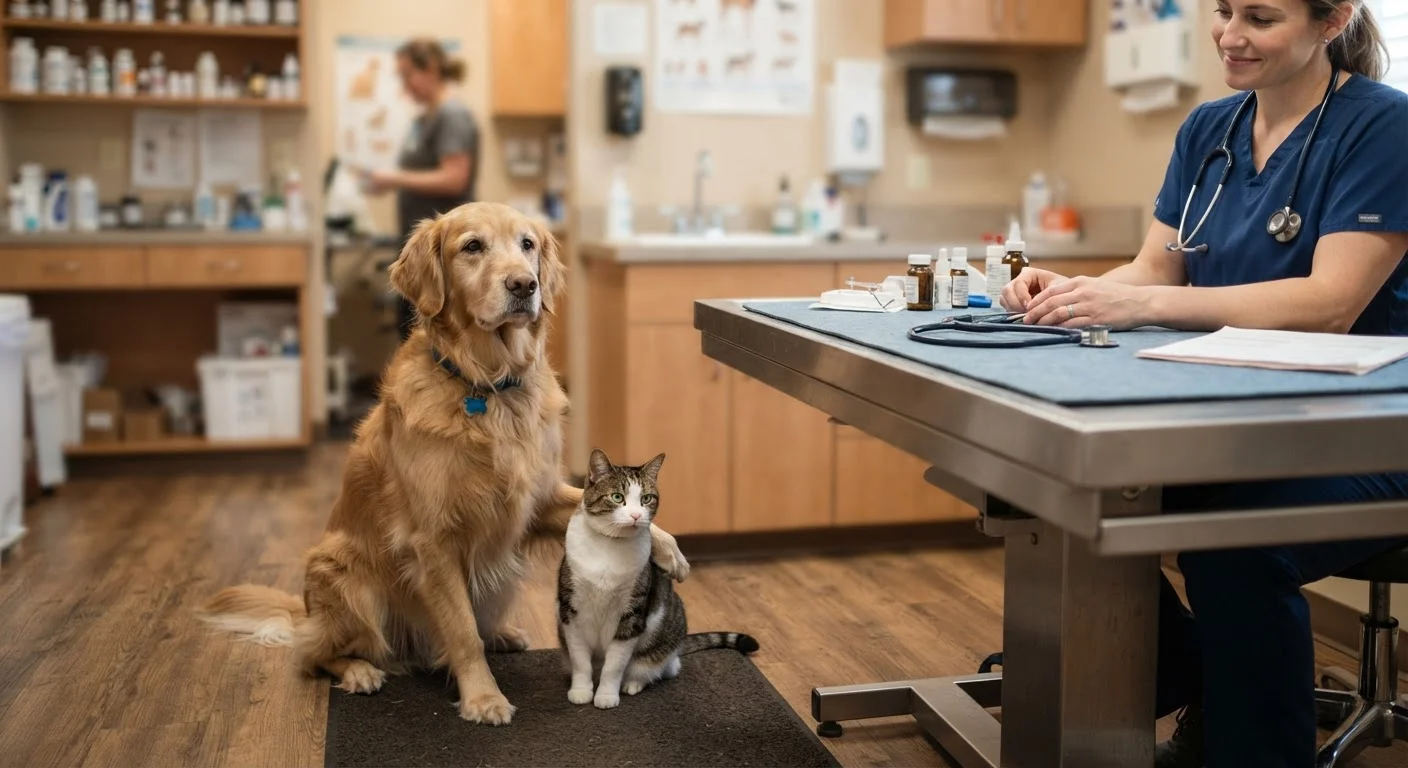
Where Pet Owners Go Wrong With Parasite Prevention

Photo: BridgeWish.com | Reliable Source Of Information editorial

Skipping doses, using the wrong product for the species, or stopping treatment in winter—here are the parasite prevention errors that put pets at risk.

Key Takeaways

  • Year-round prevention is recommended even in cold climates, as parasites can survive indoors.
  • Products safe for dogs can be dangerously toxic to cats — always verify species compatibility.
  • Missing even one dose can break the protection cycle and allow re-infestation.
  • Indoor-only pets still face parasite exposure through insects, humans, and other animals.
  • Your veterinarian should guide product selection based on your pet's weight, age, and health status.

Why Parasite Prevention Is Easier to Get Wrong Than It Looks

Flea, tick, heartworm, and intestinal parasite prevention seems straightforward on the surface — pick a product, apply or administer it, done. But in practice, parasite prevention is one of the most commonly mismanaged areas of pet care. Gaps in coverage, species mix-ups, and seasonal assumptions leave millions of pets vulnerable every year.

This isn't about blame. Many mistakes stem from outdated information, confusing product labels, or the honest belief that a pet's lifestyle reduces their risk. Understanding where these errors happen — and why — is the first step toward closing those gaps. For a broader look at how routine care catches problems early, see why annual vet visits matter.

1

Stopping prevention treatments during winter months.

Why it happens: Many owners assume cold temperatures kill off parasites, making winter treatment unnecessary. This is a common and understandable conclusion, but it's not fully accurate.
How to avoid: Fleas can survive indoors year-round in the warmth of your home, and ticks remain active in temperatures above roughly 35–40°F. Heartworm-carrying mosquitoes can persist in mild winters or indoor environments. Most veterinary guidelines recommend year-round prevention regardless of season — confirm the appropriate schedule with your vet.
2

Using a dog-labeled product on a cat, or vice versa.

Why it happens: Product packaging can look similar, and owners may assume a shared household means shared products. Some ingredients that are safe and effective for dogs are acutely toxic to cats.
How to avoid: Permethrin, a common ingredient in many canine flea and tick products, can cause severe neurological reactions in cats. Always read the species designation on every label before use, and store dog and cat products separately to prevent accidental application.
3

Skipping doses or applying treatments inconsistently.

Why it happens: Life gets busy, and a missed month can seem inconsequential. Owners may also stop once they no longer see visible signs of parasites, assuming the problem is resolved.
How to avoid: Most topical and oral preventives work within a defined treatment window. Missing a dose creates a gap in coverage that parasites can exploit. Set recurring reminders on your phone and keep a simple log. If you miss a dose, contact your vet rather than doubling up or guessing on timing.
4

Assuming indoor-only pets don't need parasite prevention.

Why it happens: If a cat never goes outside or a dog only walks in urban concrete environments, it can feel excessive to maintain full prevention protocols.
How to avoid: Fleas can hitchhike indoors on clothing or other animals. Mosquitoes enter homes through windows and doors, posing a heartworm risk even to indoor cats. Indoor pets have lower — not zero — parasite exposure. Discuss with your vet what level of prevention is appropriate for your pet's specific lifestyle.
5

Using a product dosed for a different size or age of pet.

Why it happens: Owners sometimes split larger-dose products to save money, or use leftover product from a previous pet without checking weight ranges.
How to avoid: Parasite prevention products are dosed by body weight for both safety and efficacy. Under-dosing may not provide adequate protection; overdosing can cause adverse reactions. Always use a product labeled for your pet's current weight range, and weigh your pet periodically since weight can change.
6

Relying on natural or home remedies as the sole prevention method.

Why it happens: Concerns about chemical exposure, cost, or a preference for natural approaches lead some owners to essential oils, garlic, or DIY sprays in place of veterinarian-recommended preventives.
How to avoid: Many popular natural alternatives have not been shown to be reliably effective against parasites in peer-reviewed research. Some, like certain essential oils, can be toxic to pets. Discuss your concerns about conventional products openly with your vet — there may be options that address your preferences while still offering proven protection.

Building a Prevention Routine That Actually Holds

The most effective parasite prevention plans share a few traits: they're year-round, species-appropriate, weight-accurate, and confirmed with a veterinarian. Setting phone reminders or using a calendar for monthly treatments dramatically reduces missed doses — the single most common failure point.

Never Share Parasite Products Between Species

Even if a product seems similar to one you've used before, applying a dog-formulated product to a cat — or using a cat product on a dog — can cause serious harm. Certain insecticides that are metabolized safely by dogs are highly toxic to cats. Always verify the species label before every single application, not just the first time you purchase a product.

If you're uncertain whether your current products are still appropriate — because your pet's weight has changed, they've developed a health condition, or you've moved to a different region — bring those questions to your next checkup. Parasites vary by geography, so what's most relevant in the Pacific Northwest differs from the Gulf Coast. Your vet is the best resource for a prevention plan tailored to your pet's actual risk profile.

1 in 3

Pets affected by fleas each year

Veterinary parasitology estimates suggest fleas remain one of the most common external parasites seen in companion animals across the US.

~1 million

US pets estimated to test heartworm positive annually

The American Heartworm Society has estimated roughly one million pets in the US test positive for heartworm each year, underscoring the importance of consistent prevention.

It's also worth remembering that prevention failures often compound. A pet dealing with a flea infestation may also be at risk for tapeworms, since fleas are an intermediate host. Staying consistent with a comprehensive protocol — rather than treating parasites reactively — tends to be both more effective and less stressful for everyone. For context on how delayed assumptions can allow health problems to progress, the article on assumptions that delay veterinary care offers useful perspective.

This article is for general informational purposes only and does not constitute veterinary medical advice. Always consult a licensed veterinarian regarding parasite prevention for your specific pet.

Pets Editorial Team

BridgeWish.com | Reliable Source Of Information

Pets Editorial Team is the collective byline for our editorial team and contributor network. Articles published under this byline or an editorial pen name are researched, written, and reviewed according to our editorial standards for clarity, consistency, and independence before publication.

Pet Care BasicsPet Health & VetPet Behavior & Training
View author profile

The content on this site is for informational purposes only and is not a substitute for professional advice. Always consult a qualified professional for guidance specific to your situation.