
Questions Worth Asking at Every Vet Appointment

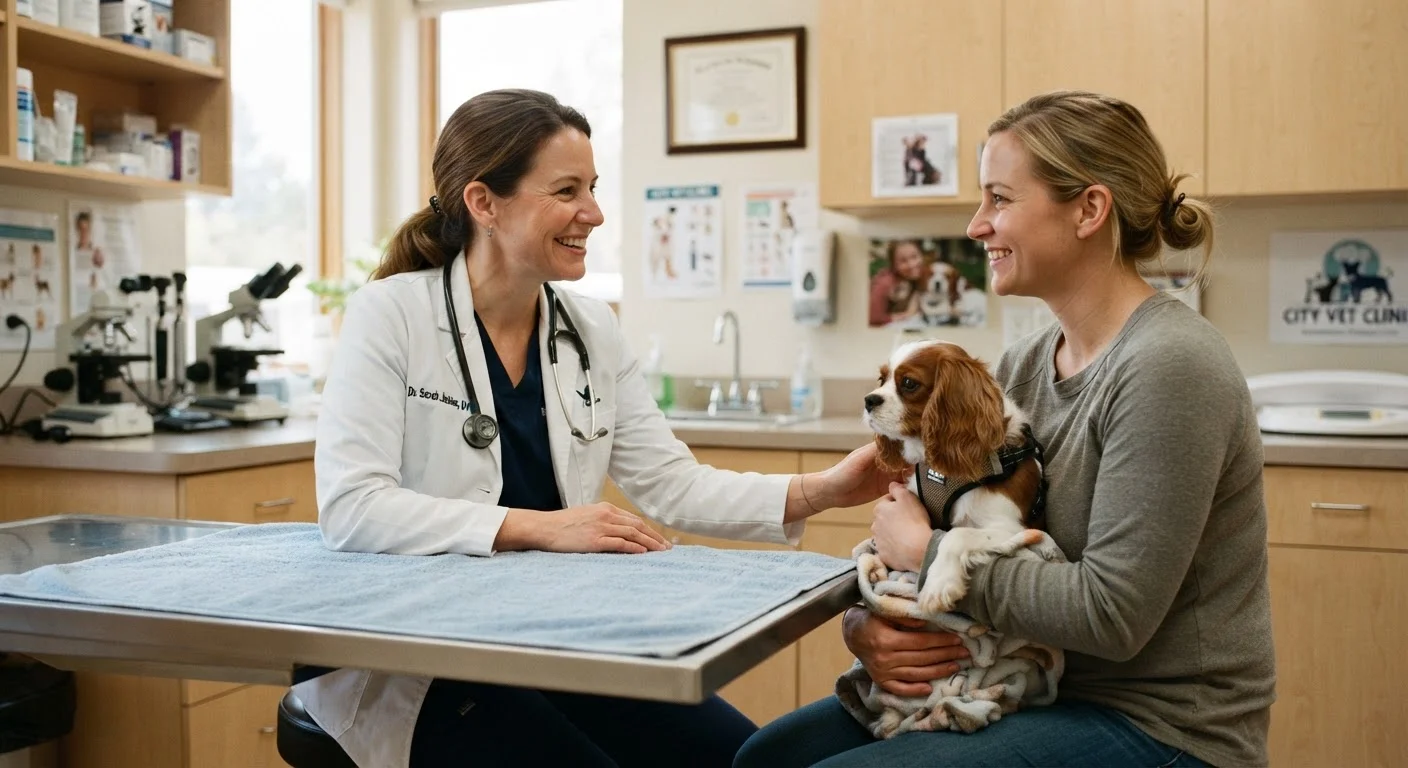
Photo: BridgeWish.com | Reliable Source Of Information editorial
Key Takeaways
- Preparing questions before your appointment helps you use limited exam time effectively.
- Asking about specific symptoms, medications, and preventive care leads to clearer guidance.
- Understanding what's normal versus concerning for your pet reduces anxiety between visits.
- Good communication with your vet is one of the most impactful things you can do for your pet's health.
Why Your Questions Matter as Much as the Exam
Vet appointments move fast. Between the weigh-in, the physical exam, and any procedures, it's easy to walk out with a clean bill of health — but no real answers to the things that have been quietly worrying you. That gap between what you observed at home and what got discussed in the room is exactly where this checklist helps.
Veterinarians rely heavily on owner observations to piece together a pet's full health picture. You spend every day with your animal; your vet sees them for a fraction of that. The questions you ask translate your daily observations into clinical context — and that context shapes better care decisions. See our guide to communicating effectively with your veterinarian for tips on describing symptoms precisely.
This checklist is organized to help you cover the ground that matters most, whether you're attending a routine wellness exam or following up on a specific concern. Review it before every appointment and adapt it to your pet's current situation.
About Your Pet's Overall Health
About Specific Symptoms or Concerns
About Preventive Care and Vaccines
About Medications and Treatments
About Nutrition and Lifestyle
Before You Leave the Room
How to Use This Checklist Effectively
Print or screenshot this list and bring it to the appointment. Jot brief notes next to any question that gets a meaningful answer — vet-speak can fade quickly once you're back in the car. If time runs short, prioritize the must items and ask your vet if you can follow up by phone or patient portal for lower-priority questions.
Notepad or notes app
Record your vet's answers in the room so details don't fade before you get home.
Pet health records or vaccination booklet
Reference past diagnoses, vaccine dates, and medications during the conversation.
List of current medications and supplements
Ensure your vet has a complete picture of everything your pet is currently taking.
Video or photo of concerning symptoms
Short phone recordings of limping, coughing, or unusual behavior can be far more informative than a verbal description alone.
Not sure what a routine wellness visit actually covers before you get there? Our walkthrough of what happens during a routine wellness exam for dogs and cats can help you go in with realistic expectations. If this is your first visit with a new pet, preparing for your pet's first vet appointment offers a companion checklist focused on records and supplies.
Never Leave Without Understanding the Next Step
This article is for general informational purposes only and is not a substitute for professional veterinary advice. Always consult a licensed veterinarian for guidance specific to your pet's health.
The content on this site is for informational purposes only and is not a substitute for professional advice. Always consult a qualified professional for guidance specific to your situation.