
Preparing for Your Pet's First Vet Appointment

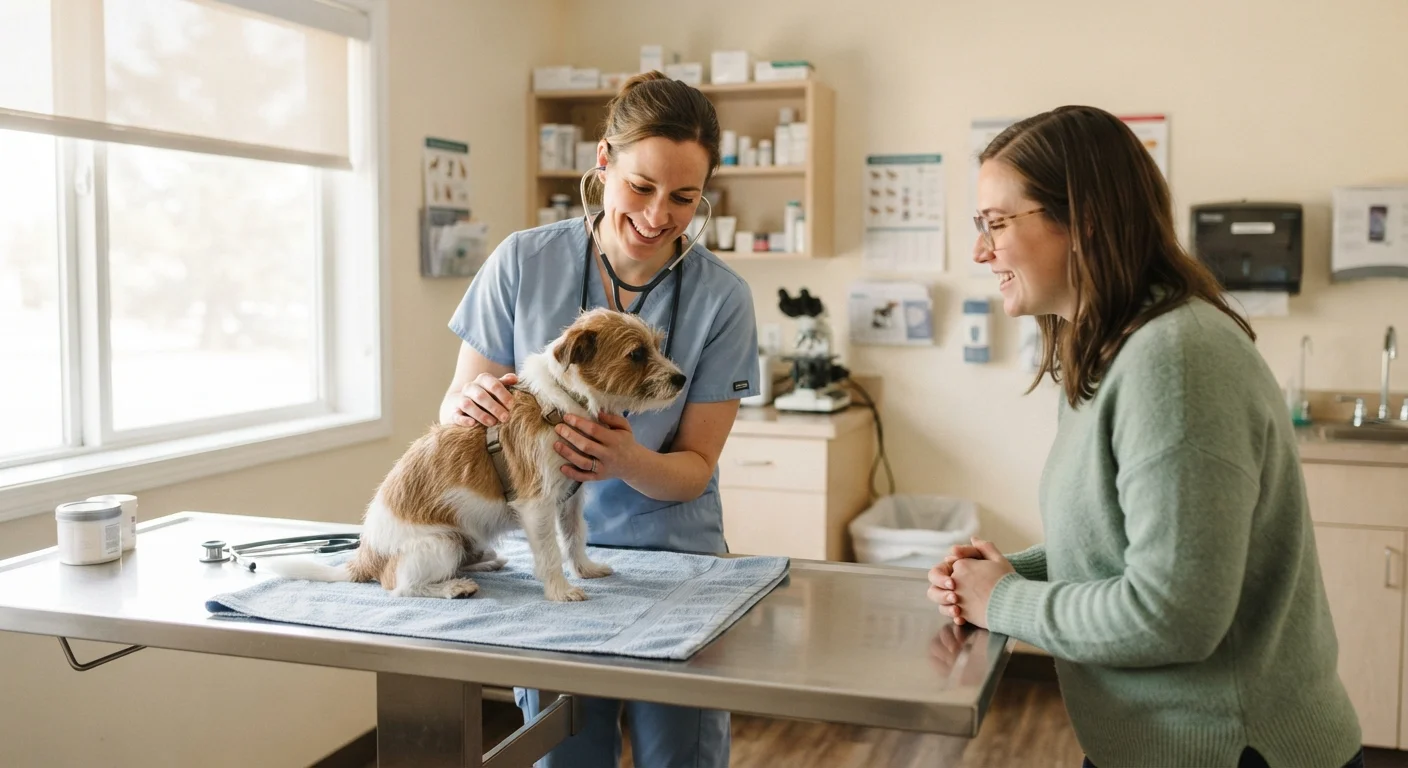
Photo: BridgeWish.com | Reliable Source Of Information editorial
Key Takeaways
- Gather all prior health and vaccination records before the appointment to give the vet a complete picture.
- Write down your questions in advance so nothing important slips your mind during the visit.
- Bring a stool sample and any medications your pet currently takes for a thorough first exam.
- Use a secure, properly sized carrier or leash to keep your pet safe and calm during transport.
- The first vet visit establishes baseline health data that guides all future care decisions.
Why the First Vet Visit Matters So Much
Your pet's first veterinary appointment is more than a routine check-in — it's the foundation of their entire healthcare record. The veterinarian will establish baseline measurements, screen for early signs of illness, and help you build a preventive care plan tailored to your pet's species, breed, age, and lifestyle.
Going in prepared means the vet spends more time on your pet and less time piecing together a history. It also helps you leave the clinic with confidence rather than confusion. For a broader overview of everything to organize in those early weeks, see our new pet owner preparation checklist covering supplies, vet visits, and safety basics.
Use the checklist below to organize everything well before appointment day.
Records and Documentation
Day-of Preparation
Questions and Observations to Prepare
Administrative and Logistical Items
Tools and Records to Pull Together
Having the right materials on hand transforms a stressful scramble into a smooth handoff at the front desk. The tool cards below outline what to gather — think of this as your pre-visit inventory.
Vaccination and Health Records
Gives the veterinarian an accurate immunization history to avoid redundant vaccines and identify any gaps in protection.
Sealed Stool Sample Container
Allows the vet to run a fecal test screening for common intestinal parasites like roundworms, hookworms, and giardia.
Secure Carrier or Leash and Collar
Keeps your pet safely contained during transport and in the waiting room, reducing stress for everyone.
Written List of Questions and Observations
Ensures you cover every concern without forgetting details in the moment — essential for a productive first visit.
Current Medications and Supplements List
Helps the vet check for potential interactions before recommending any new treatments or preventatives.
Pet Insurance Information
Streamlines any claims or pre-authorizations if diagnostic tests or treatments are needed during or after the visit.
Familiar Comfort Item (Blanket or Toy)
A scent-familiar object can reduce anxiety in the waiting room and on the exam table.
Once you've assembled these items, store them in a single folder or digital document so they're easy to hand over or reference during the exam.
Making the Most of the Appointment Itself
Arriving organized is only half the battle — knowing how to participate during the visit matters just as much. Come with a written list of observations: any changes in appetite, water intake, bathroom habits, energy level, or behavior since you brought your pet home. Even small details can be diagnostically meaningful.
Share Every Detail, Even Small Ones
Don't hesitate to ask the vet to explain anything in plain language. Veterinary visits can cover a lot of ground quickly — vaccinations, parasite prevention, spay/neuter timelines, dental health, and nutrition may all come up in a single session. Our companion guide on questions worth asking at every vet appointment can help you leave with real clarity.
After your first visit, you'll likely feel far more confident heading into follow-ups. If socialization and behavior are also on your mind, our first training session readiness checklist is a natural next step.
This article is for general informational purposes only and is not a substitute for professional veterinary advice. Always consult a licensed veterinarian for guidance specific to your pet's health needs.
The content on this site is for informational purposes only and is not a substitute for professional advice. Always consult a qualified professional for guidance specific to your situation.