
What Happens During a Routine Wellness Exam for Dogs and Cats

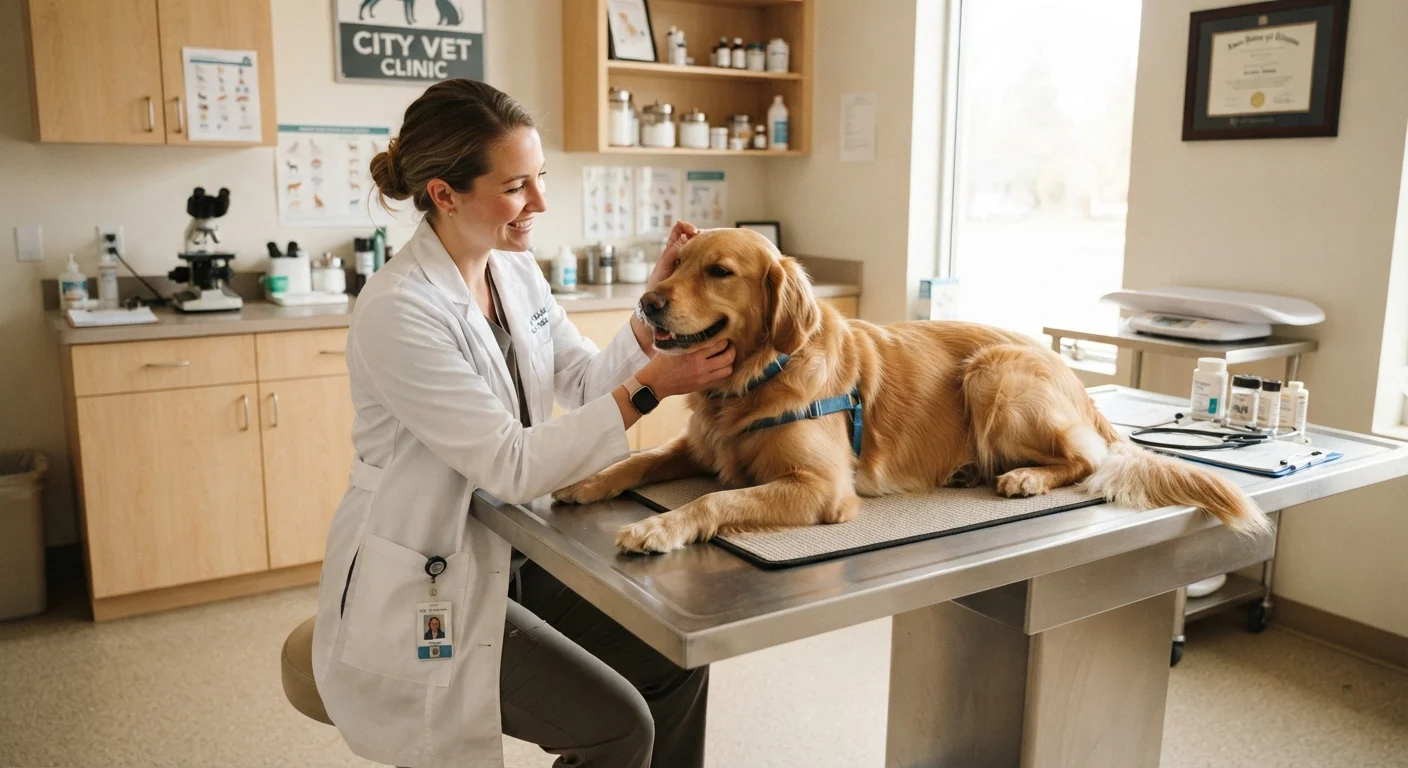
Photo: BridgeWish.com | Reliable Source Of Information editorial
Key Takeaways
- A wellness exam covers far more than vaccines — it's a full physical assessment from nose to tail.
- Vets establish a health baseline so future changes are easier to detect early.
- Both dogs and cats benefit from at least one wellness visit per year; senior pets often need two.
- You can and should bring a list of behavioral or physical changes you've noticed at home.
- Early detection during routine exams can simplify — and reduce the cost of — treatment.
Why Wellness Exams Matter More Than You Might Think
It's easy to assume a vet visit is only necessary when something is obviously wrong. In reality, a routine wellness exam is one of the most proactive things you can do for your pet's long-term health. Animals instinctively conceal discomfort — by the time a problem becomes visible at home, it may have been developing quietly for months.
A wellness exam creates a documented record of what's normal for your specific pet. Weight, heart rate, dental condition, coat quality — these measurements mean more when tracked over time than as a single snapshot. When values shift, your vet has a baseline to compare against, which makes early intervention far more accurate.
For a deeper look at what these visits cover from a preventive standpoint, see what a routine vet visit actually covers.
Senior Pets Need More Frequent Visits
The Physical Examination: What Vets Are Actually Checking
The core of any wellness visit is the hands-on physical exam. Your vet works systematically, evaluating each body system to build a complete picture of your pet's health.
- Weight and body condition: Vets assess both the number on the scale and how weight is distributed — muscle mass and fat coverage tell different stories.
- Eyes, ears, and nose: Redness, discharge, cloudiness, or odor can indicate infection, allergies, or early systemic disease.
- Mouth and teeth: Dental disease affects the majority of pets over age three and is closely linked to heart and kidney health. Your vet checks for tartar buildup, gum inflammation, broken teeth, and oral masses.
- Lymph nodes and abdomen: Gentle palpation detects swelling or organ changes that wouldn't be visible externally.
- Heart and lungs: A stethoscope check listens for murmurs, arrhythmias, or abnormal breath sounds.
- Skin and coat: Parasites, lumps, hair loss, and skin texture are all noted.
- Musculoskeletal system: Gait, joint flexibility, and muscle symmetry are observed — particularly important for aging pets or larger breeds prone to arthritis.
70%+
Dogs over age 3 with some dental disease
The American Veterinary Medical Association estimates that most pets show signs of dental disease by age three — a condition routinely caught during wellness exams.
2x/year
Recommended exam frequency for senior pets
Veterinary guidelines generally recommend twice-yearly wellness visits for dogs and cats aged 7 and older, when health changes can occur more rapidly.
1 in 3
Pets diagnosed with a chronic condition during a wellness visit
Industry estimates suggest a significant proportion of pets receive their first chronic disease diagnosis during a routine wellness appointment rather than a sick visit.
Preventive Care: Vaccines, Parasite Control, and Lab Work
Beyond the physical check, wellness visits are when your vet reviews and updates your pet's preventive care plan. This typically includes:
- Vaccinations: Your vet will review which vaccines are due based on your pet's age, lifestyle, and local disease risk. For a clear overview of core versus non-core vaccines, see how pet vaccination schedules work.
- Parasite prevention: Heartworm testing for dogs, fecal parasite screening, and recommendations for flea, tick, and heartworm prevention are standard agenda items.
- Lab work: For senior pets especially, bloodwork and urinalysis offer a chemical view of organ function — things the exam table simply can't reveal.
This is also the right moment to discuss any behavioral changes you've observed, since behavior is often the earliest signal that something physical is shifting. The Pet Behavior & Training hub has resources to help you put language to what you're seeing before the appointment.
Prepare a Written Summary Before You Go
How to Make the Most of Every Visit
Your role in the wellness exam is more active than it might seem. Vets rely heavily on owner observations — you spend far more time with your pet than anyone in a clinical setting ever could.
Come prepared with notes on appetite, water intake, litter box or bathroom habits, energy levels, and any lumps, limping, or behavioral quirks you've noticed. Even small details can guide the exam toward the right areas of focus.
Don't hesitate to ask questions during the visit. A good resource to have ready is a list of questions worth raising at every vet appointment — preparing these in advance means you leave the clinic with clarity rather than follow-up uncertainty.
If you're bringing a pet in for the very first time, our first vet appointment preparation guide walks through everything to gather and expect before you arrive.
This article is for general informational purposes only and does not constitute veterinary medical advice. Always consult a licensed veterinarian for guidance specific to your pet's health needs.
Frequently Asked Questions
The content on this site is for informational purposes only and is not a substitute for professional advice. Always consult a qualified professional for guidance specific to your situation.