
What a Routine Vet Visit Actually Covers—and Why It Matters

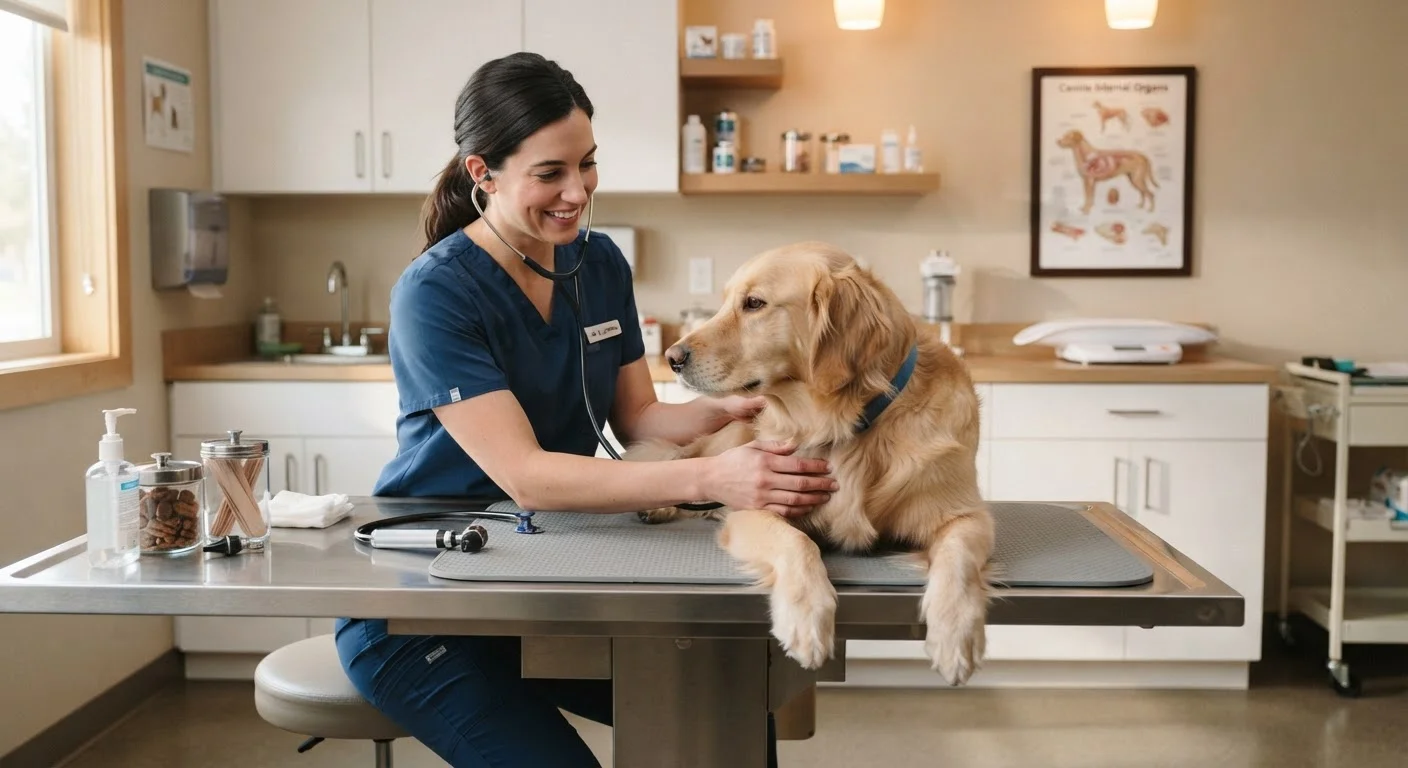
Photo: BridgeWish.com | Reliable Source Of Information editorial
What a Routine Vet Visit Actually Covers
Many pet owners assume a wellness visit means a quick listen with a stethoscope and an updated shot record. In practice, a thorough annual exam is a structured, head-to-tail health assessment — and each step serves a specific purpose. Understanding what's being checked makes it easier to notice changes at home, ask sharper questions, and feel confident in the care your pet is receiving.
| Typical visit duration | 20–45 minutes (Varies by clinic and pet complexity) |
| Recommended frequency (healthy adults) | Once per year (American Veterinary Medical Association (AVMA)) |
| Recommended frequency (seniors or pets with conditions) | Every 6 months (AVMA and American Animal Hospital Association (AAHA)) |
| Components always included | Physical exam, weight, vital signs |
| Components often added for seniors | Bloodwork, urinalysis, blood pressure (AAHA Senior Care Guidelines) |
| Dental disease prevalence in adult pets | Affects majority of dogs and cats by age 3 (AVMA dental health resources) |
For a deeper walkthrough of how each part of the physical exam connects to your pet's overall health, see our step-by-step wellness exam guide.
The Core Components of a Wellness Exam
Weight and Body Condition Score
Your vet records your pet's weight and assigns a body condition score (BCS) — a standardized scale assessing whether your pet is underweight, at an ideal weight, or overweight. Even small, gradual weight shifts can be early signals of metabolic, hormonal, or digestive issues that aren't yet visible to owners.
Eyes, Ears, and Oral Cavity
The eyes are checked for cloudiness, discharge, or early signs of conditions such as cataracts or glaucoma. Ear canals are examined for infection, mites, or chronic inflammation. The mouth receives particular attention: dental disease affects a large proportion of adult pets and is linked to heart, kidney, and liver complications if untreated.
Heart and Lung Auscultation
Using a stethoscope, the vet listens carefully to your pet's heart rhythm and lung sounds. This can reveal murmurs, arrhythmias, or respiratory changes that may not produce obvious symptoms yet. Early detection of heart disease, for example, can meaningfully shape a monitoring and care plan.
Abdominal Palpation
Gentle pressure across the abdomen lets the vet feel the size, shape, and position of organs including the liver, spleen, kidneys, and bladder. Unexpected lumps, organ enlargement, or areas of discomfort found during palpation often prompt follow-up diagnostics.
Skin, Coat, and Lymph Nodes
Coat quality reflects systemic health. The vet looks for parasites, hot spots, unusual lumps, or skin changes. Lymph nodes — located in the neck, armpits, and groin — are also palpated; swelling can be an early indicator of infection or immune system involvement.
Vaccines, Parasite Prevention, and Lab Work
Based on your pet's age, lifestyle, and risk factors, the vet will discuss which vaccines are currently recommended and which preventives (flea, tick, heartworm) are appropriate. For senior pets or those with known health concerns, annual bloodwork and urinalysis are commonly recommended to catch organ-function changes before symptoms develop. See how vets use lab work and imaging to understand what those tests actually measure.
When Your Vet Recommends Additional Testing
Making the Most of Your Appointment
A wellness visit is also your dedicated window to raise concerns — behavioral shifts, changes in appetite, unusual drinking or urination, or anything you've noticed but weren't sure warranted a call. Arriving with a short list of observations helps the vet build a more complete picture and helps you leave with fewer unanswered questions.
Body Condition Score (BCS)
A standardized numerical scale, typically 1–9, used by vets to assess whether a pet is at a healthy weight based on visible and palpable fat and muscle. It provides a more complete picture than weight alone.
Auscultation
The act of listening to internal sounds — primarily the heart and lungs — using a stethoscope. It helps detect murmurs, irregular rhythms, or abnormal breathing patterns.
Palpation
A hands-on examination technique where the vet applies gentle pressure to feel the shape, size, and consistency of internal organs and tissues through the body wall.
Wellness Exam
A routine, preventive health check performed when a pet appears healthy. Its purpose is to establish baselines, detect early changes, and update preventive care such as vaccines and parasite control.
Lymph Nodes
Small glands distributed throughout the body that are part of the immune system. Swollen or enlarged lymph nodes can signal infection, inflammation, or other systemic conditions.
Our practical question checklist for every vet visit can help you prepare before you arrive. And if you've ever been puzzled by the line items on the bill afterward, this breakdown of common vet bill charges explains what you're actually paying for.
For context on why these visits remain important even when your pet appears completely healthy, this article on the value of preventive care covers the reasoning behind routine exams in detail.
This article provides general educational information about veterinary care and is not a substitute for professional veterinary advice. Always consult a licensed veterinarian about your individual pet's health needs.
The content on this site is for informational purposes only and is not a substitute for professional advice. Always consult a qualified professional for guidance specific to your situation.