
How Vets Diagnose What's Wrong: Lab Work, Imaging, and Physical Exams

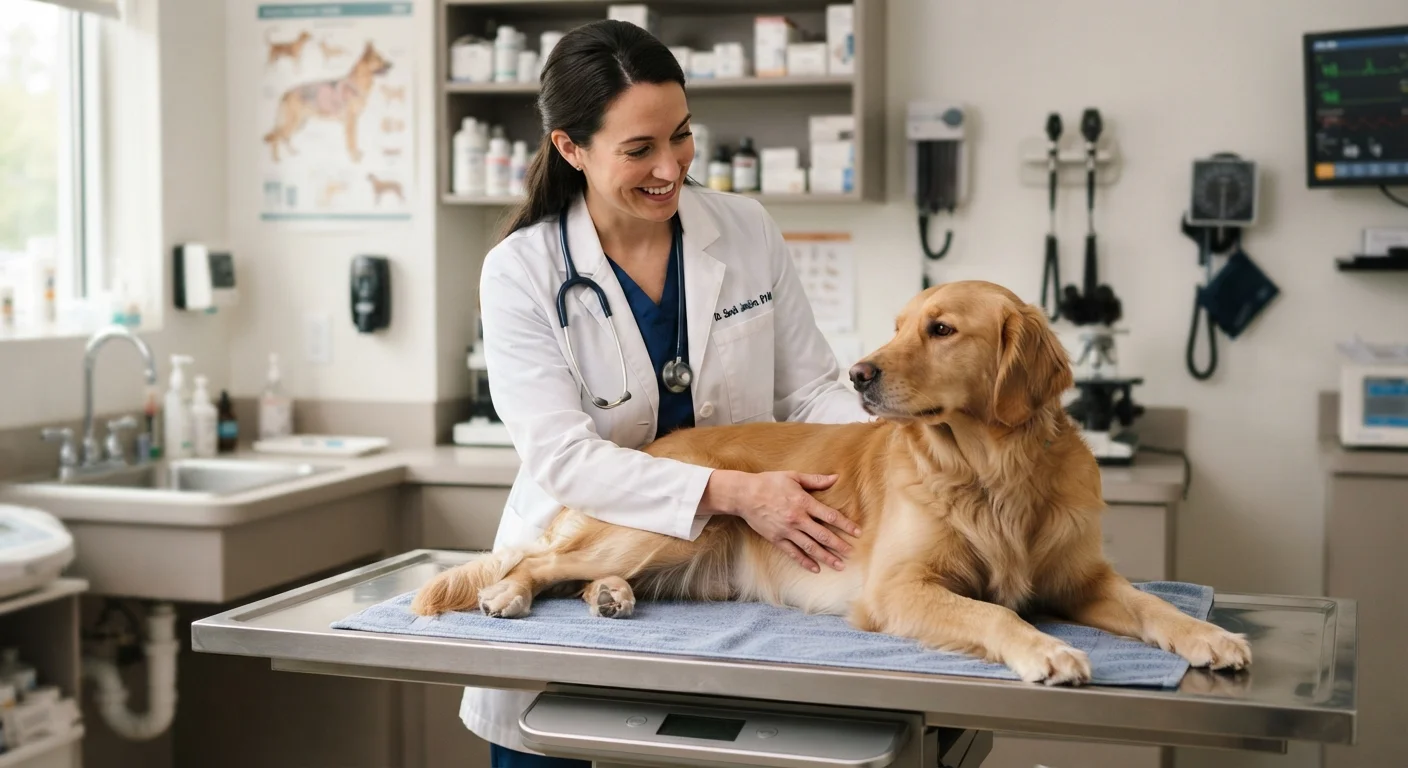
Photo: BridgeWish.com | Reliable Source Of Information editorial
Key Takeaways
- A physical exam is the foundation of every diagnostic visit and guides which tests come next.
- Blood and urine panels reveal organ function, infection, and other systemic issues that aren't visible externally.
- Imaging tools like X-rays and ultrasound let vets see bones, organ size, and soft-tissue changes.
- Understanding why a test is ordered helps you make informed decisions alongside your vet.
- Asking about the purpose of each diagnostic step leads to clearer communication and better outcomes.
The Physical Exam: Where Every Diagnosis Starts
Before any lab tube is filled or imaging machine is switched on, your vet is already gathering information through direct observation and hands-on assessment. A physical exam lets the vet evaluate your pet's weight, coat condition, lymph node size, heart and lung sounds, abdominal feel, eye clarity, and pain responses — all within a few focused minutes.
This hands-on review does more than check boxes. It tells the vet which body systems to investigate further and narrows the list of likely causes. A heart murmur heard through a stethoscope points toward cardiac testing; a tense abdomen might prompt imaging. Learn more about what a routine wellness exam covers to understand exactly what vets look for at each step.
Bring Notes to Help Your Vet
Lab Work: Reading the Body's Chemistry
Blood and urine tests give vets access to information that no physical touch can reveal. The two most common panels ordered are a complete blood count (CBC) and a chemistry panel.
- CBC: Measures red cells, white cells, and platelets — flagging anemia, infection, or clotting problems.
- Chemistry panel: Assesses organ function by measuring enzymes, proteins, glucose, and electrolytes tied to the liver, kidneys, and pancreas.
- Urinalysis: Evaluates kidney filtering efficiency, detects urinary tract infections, and screens for crystals or glucose spills that shouldn't be present.
Thyroid panels, heartworm antigen tests, fecal parasite exams, and culture-based tests round out the lab toolkit depending on your pet's symptoms. Results are interpreted in the context of your pet's species, age, breed, and history — numbers outside a reference range don't automatically mean crisis, but they do focus the investigation.
~70%
Diagnoses aided by laboratory testing
Veterinary diagnostics educators broadly cite that the majority of clinical diagnoses in small animal practice are supported or confirmed by laboratory findings alongside the physical exam.
3–5 min
Average time for a focused physical exam
A skilled vet can gather substantial clinical information through a structured hands-on exam in just a few minutes, guiding which further tests, if any, are needed.
Imaging: Seeing Inside Without Surgery
When physical and lab findings point to a structural issue — a swelling, a suspected mass, a broken bone, fluid accumulation — vets turn to imaging.
- Radiographs (X-rays): The most widely available tool. Excellent for bones, lung texture, heart size, and detecting foreign objects a pet may have swallowed.
- Ultrasound: Uses sound waves to visualize organ interiors in real time. Particularly useful for evaluating the liver, spleen, bladder, and reproductive organs, and for guided sampling of fluid or tissue.
- Advanced imaging (CT, MRI): Available at specialist or university clinics. CT is valuable for complex bone and chest evaluations; MRI excels at brain and spinal cord detail. Both typically require sedation or anesthesia.
Understanding why each modality is recommended helps you have a more productive conversation with your vet. For a breakdown of how diagnostic fees appear on your invoice, see what vet bills actually cover.
Putting It All Together: How Vets Reach a Diagnosis
Diagnosis is rarely a single test — it's a process of combining clinical signs, history, lab data, and imaging into a coherent picture. Vets typically begin with the most likely explanations (the differential diagnosis list) and use each result to confirm or rule out possibilities.
Sometimes a diagnosis is clear after one visit. Other times, a condition requires a recheck appointment, a specialist referral, or a therapeutic trial — treating for the most probable condition and watching how the pet responds. This iterative approach is normal, not a sign that something has gone wrong.
When a Second Opinion Makes Sense
Being an active participant in this process makes a real difference. Communicating clearly with your vet — describing when symptoms started, what changed, and what you've observed at home — gives the diagnostic process more to work with. And before your next appointment, consider reviewing questions worth asking at every vet visit so you leave with clarity rather than uncertainty.
This article is for general informational purposes only and is not a substitute for professional veterinary advice. Always consult a licensed veterinarian for concerns about your pet's health.
Frequently Asked Questions
The content on this site is for informational purposes only and is not a substitute for professional advice. Always consult a qualified professional for guidance specific to your situation.