
Pet Health & Vet

Communicating Effectively With Your Veterinarian

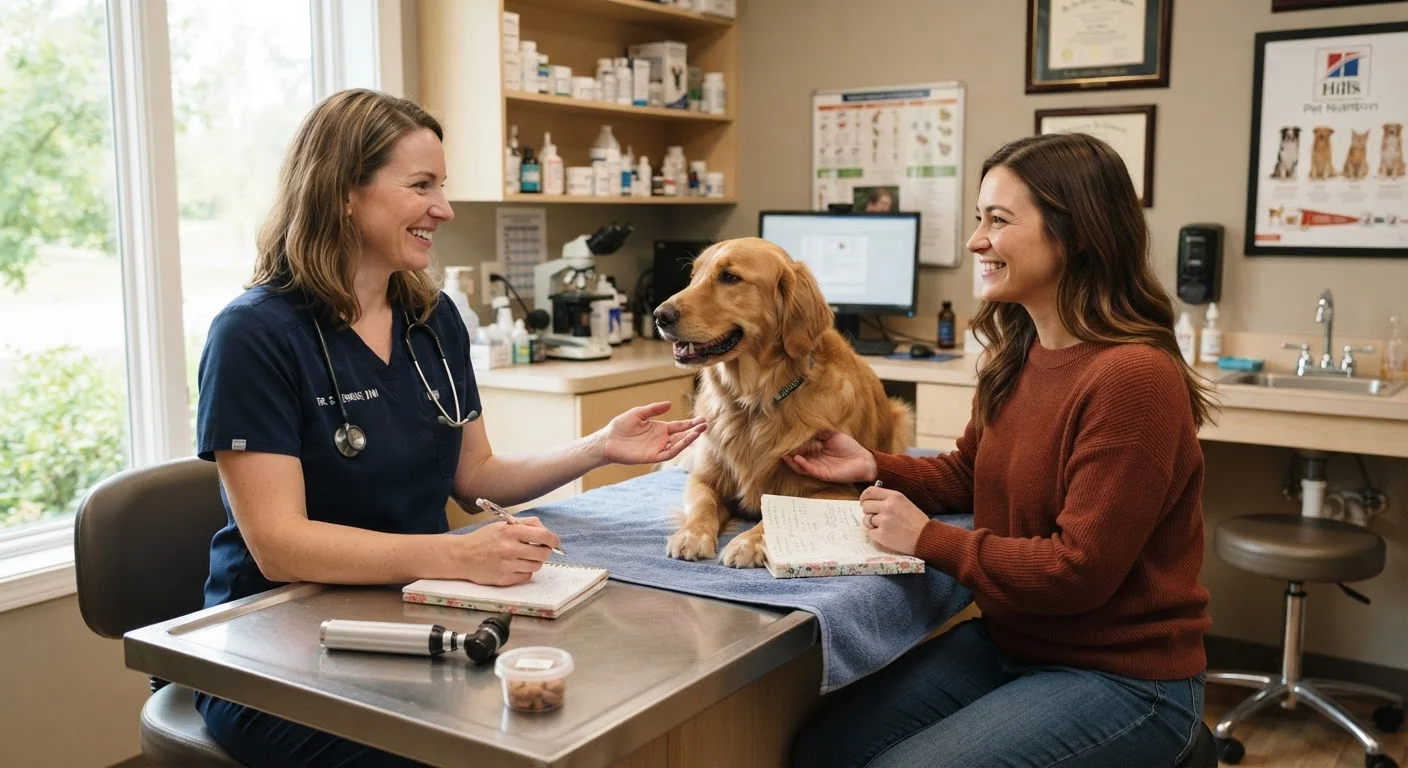
Communicating Effectively With Your Veterinarian

Photo: BridgeWish.com | Reliable Source Of Information editorial

Clear communication with your vet leads to better care for your pet. These practices help you describe symptoms accurately and understand what you're told.

Key Takeaways

  • Preparing specific observations before your appointment helps your vet diagnose problems faster and more accurately.
  • Describing symptoms in concrete, measurable terms — duration, frequency, severity — is more useful than general impressions.
  • Asking clarifying questions until you fully understand a diagnosis or treatment plan is not only acceptable, it's encouraged.
  • Keeping a simple health log between visits gives your vet a clearer picture of your pet's baseline and changes over time.
  • Your relationship with your vet works best when it's collaborative — your observations matter as much as clinical findings.

Why Good Communication Changes Everything at the Vet

Veterinary appointments are often short. A typical wellness visit may last 20 to 30 minutes, and problem visits aren't always much longer. In that window, your vet needs to understand your pet's history, current concern, and relevant context — and you need to leave with a clear understanding of what's happening and what to do next. That's a lot to accomplish without a plan.

The good news is that owners are uniquely positioned to contribute critical information. You see your pet every day. You notice the subtle shifts — the slightly lower energy, the food left in the bowl, the way your cat hesitates before jumping. Your vet relies on you to bring those details into the room. For a broader foundation on monitoring your pet's health day to day, this introduction to animal health is a helpful starting point.

Best Practices for Communicating With Your Vet

These approaches can make every appointment more productive — whether it's a routine checkup or a visit prompted by concern.

1

Write down your observations before the appointment, not in the waiting room.

Memory under stress is unreliable. Symptoms that seemed vivid at home can feel vague once you're in the exam room. Jotting notes the evening before — including when something started, how often it occurs, and what makes it better or worse — helps you report accurately and completely.
Example: Instead of saying "she's been off lately," you might note: "Decreased appetite for five days, eating about half her normal portion, no vomiting but drinking slightly more water than usual."
2

Describe symptoms in specific, observable terms rather than interpretations.

Vets need facts, not conclusions. Saying "he seems in pain" is less useful than describing what you actually observed. Specific descriptions allow your vet to form a more accurate clinical picture before even touching your pet.
Example: "He yelps when I touch his lower back, has been reluctant to climb stairs for three days, and held his left hind leg oddly twice yesterday" gives far more diagnostic information than "he seems uncomfortable."
3

Bring a written list of all medications, supplements, and foods your pet currently receives.

Drug and supplement interactions can affect diagnosis and treatment. Many owners forget to mention over-the-counter products, flea preventatives, or dietary supplements — all of which a vet needs to know about to make safe recommendations.
Example: A quick phone photo of your pet's supplement bottles and food bag labels is an easy way to have this information ready without memorizing everything.
4

Ask your vet to explain diagnoses and instructions in plain language, and repeat back what you heard.

Medical terminology can be confusing, and the stress of a difficult appointment makes it harder to retain information. Asking for clarification and then summarizing what you understood helps catch miscommunications before they affect your pet's care.
Example: "So if I'm understanding correctly, I give this medication twice a day with food for seven days, and I should call if his appetite doesn't improve by day three — is that right?"
5

Keep a simple health log between visits, especially for pets with ongoing conditions.

Patterns that are invisible day-to-day become clear over weeks. A log of appetite, weight, behavior, and any unusual events gives your vet a longitudinal view that a single appointment cannot provide. This is especially valuable for senior pets whose needs shift gradually.
Example: A basic notes app entry each week — noting food intake, activity level, any symptoms — can reveal trends your vet will find genuinely useful.
6

Be honest about your pet's lifestyle, diet, and your capacity to follow through on care plans.

Vets tailor recommendations to what's realistic for each household. If a prescribed routine isn't feasible for you, saying so openly lets your vet offer a workable alternative. Withholding information — even out of embarrassment — can lead to treatment plans that fail or miss the real issue.
Example: If daily pill administration isn't realistic, telling your vet that upfront may lead them to suggest a longer-acting injectable option or a different delivery method.

Making the Most of Limited Time

Even when you've prepared well, appointments can feel rushed. A few habits can help you stay focused and leave with everything you need.

high Before your next appointment, spend five minutes writing down the three most important things you want your vet to know or address.
high Take a short video on your phone if your pet is showing a symptom — limping, coughing, a strange behavior — that may not appear during the exam.
medium Create a simple notes document on your phone to log your pet's food intake, weight (if you track it), and any changes week to week.

It's Always Okay to Ask for Clarification

No question is too basic in a veterinary setting. If you leave an appointment unsure what a diagnosis means or how to give a medication correctly, call the clinic — most practices welcome follow-up questions by phone or through a patient portal. Clear understanding at home is what makes treatment work.

If your pet's condition is complex or you're navigating a new diagnosis, consider asking whether a longer appointment is available for a follow-up. Understanding what your vet is looking for during diagnostic tests can also reduce anxiety — how vets use lab work, imaging, and physical exams explains the process clearly. And for a ready-made list of questions to bring to any visit, see questions worth asking at every vet appointment.

This article is for general informational and educational purposes only and does not constitute veterinary medical advice. Always consult a licensed veterinarian for guidance specific to your pet's health needs.

Pets Editorial Team

BridgeWish.com | Reliable Source Of Information

Pets Editorial Team is the collective byline for our editorial team and contributor network. Articles published under this byline or an editorial pen name are researched, written, and reviewed according to our editorial standards for clarity, consistency, and independence before publication.

Pet Care BasicsPet Health & VetPet Behavior & Training
View author profile

The content on this site is for informational purposes only and is not a substitute for professional advice. Always consult a qualified professional for guidance specific to your situation.