
Indoor vs. Outdoor Cats: Weighing the Health and Safety Trade-Offs

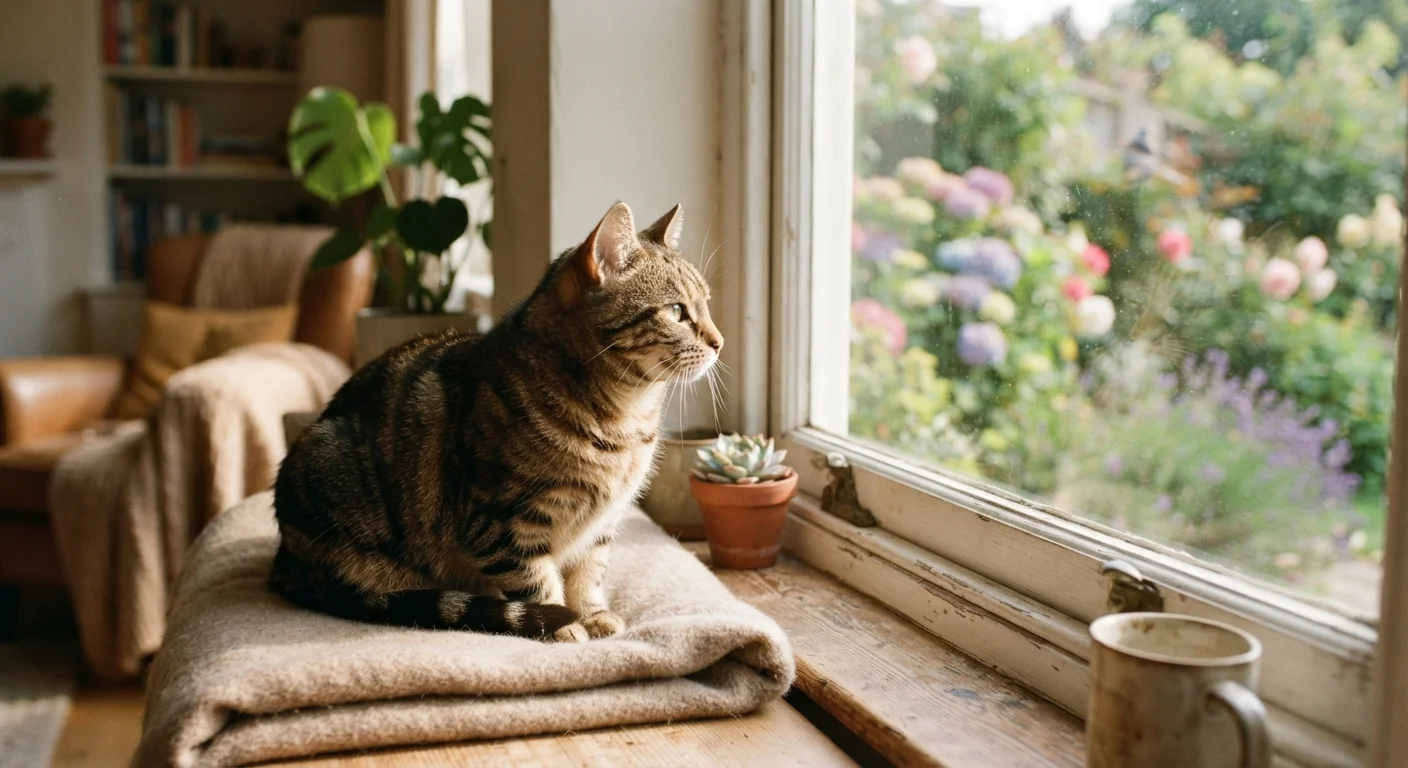
Photo: BridgeWish.com | Reliable Source Of Information editorial
Key Takeaways
- Indoor cats generally live significantly longer than outdoor cats, largely due to reduced exposure to traffic, predators, and disease.
- Outdoor cats experience richer environmental stimulation but face real risks including parasites, injury, and infectious illness.
- An enriched indoor environment can meaningfully offset the mental and physical limitations of keeping a cat inside.
- Your cat's individual temperament, health status, and local environment all factor into which lifestyle is safer.
- Regular veterinary care is essential regardless of which lifestyle you choose.
The Lifespan Gap Is Real — But Context Matters
Veterinary and animal welfare organizations broadly agree that indoor cats tend to live longer than their outdoor counterparts. Estimates vary, but indoor cats are commonly cited as living into their mid-to-late teens, while free-roaming outdoor cats may average considerably fewer years. The reasons are straightforward: outdoor cats face traffic, predators, territorial fights, and infectious diseases that indoor cats largely avoid.
That said, lifespan alone doesn't capture the full picture of feline wellbeing. A cat that spends its life confined indoors without adequate stimulation, social interaction, or physical activity can experience its own set of chronic health problems — including obesity, anxiety, and stress-related behaviors. Understanding both sides of this trade-off is essential before drawing conclusions for your own cat. For a broader look at how lifestyle shapes pet health, see our overview of indoor vs. outdoor pet considerations.
Risks That Come With Outdoor Access
Outdoor cats are exposed to a meaningfully different risk profile than indoor cats. Key concerns include:
- Infectious disease: Feline leukemia virus (FeLV), feline immunodeficiency virus (FIV), and upper respiratory infections spread more easily among cats who interact with strays or wildlife.
- Parasites: Fleas, ticks, intestinal worms, and ear mites are far more common in cats with outdoor exposure.
- Trauma: Vehicle strikes are among the leading causes of death in outdoor cats. Predator attacks and cat-to-cat bite wounds are also significant concerns.
- Toxin exposure: Outdoor cats may contact pesticides, antifreeze, or toxic plants.
These risks are not inevitable — they can be substantially reduced through vaccination, parasite prevention, and neutering — but they cannot be eliminated entirely. If you notice behavioral changes that might indicate illness or injury, cats are skilled at masking discomfort, which makes regular veterinary check-ins especially important for outdoor cats.
| Indoor Cats | Outdoor Cats | |
|---|---|---|
| Average lifespan | Generally longer (mid-to-late teens) | Generally shorter (variable by environment) |
| Infectious disease risk | Low | Higher (FeLV, FIV, respiratory illness) |
| Parasite exposure | Minimal with routine prevention | Significant without consistent prevention |
| Injury and trauma risk | Low | Higher (traffic, predators, fights) |
| Behavioral stimulation | Requires deliberate enrichment | Naturally higher from environment |
| Obesity risk | Higher without active management | Generally lower due to activity |
| Veterinary care needs | Routine wellness visits | More frequent parasite and injury care |
What Indoor Cats May Be Missing
Keeping a cat indoors eliminates many hazards, but it introduces a different set of welfare considerations. Cats are natural hunters with complex behavioral needs. An unstimulating indoor environment can lead to:
- Boredom and frustration: Manifesting as excessive vocalization, destructive scratching, or aggression.
- Obesity: Indoor cats tend to be less active; weight management requires deliberate feeding and play routines. See how feeding choices factor into overall cat health.
- Anxiety and stress: Particularly in single-cat households or environments with limited enrichment.
The good news is that these gaps are addressable. Puzzle feeders, climbing structures, window perches, interactive play sessions, and even leash training can meaningfully enrich an indoor cat's daily life. Some owners also invest in a secure outdoor enclosure — sometimes called a "catio" — which allows supervised fresh air without free-roaming risk.
Enriching an Indoor Environment
Making the Decision for Your Cat
There is no single correct answer. The right lifestyle for a cat depends on several intersecting factors:
- Individual temperament: Some cats, particularly those raised indoors from kittenhood, show little interest in going outside and adapt contentedly to indoor life. Others — especially former strays — may show persistent stress when confined.
- Local environment: A quiet rural property carries different risks than a busy urban neighborhood. Traffic density, coyote or raptor presence, and access to other cats all shape the risk profile.
- Health status: Cats with compromised immune systems, chronic illness, or mobility limitations are generally better protected indoors. As cats age, these considerations shift — senior cats have distinct health needs that may favor a more protected lifestyle.
Talk with your veterinarian about your specific cat's situation. They can help you weigh your cat's health history, behavior, and local environment against both lifestyle options — and help you build a preventive care plan that fits whichever path you choose.
This article is for general informational purposes only and is not a substitute for professional veterinary advice. Always consult a licensed veterinarian for guidance specific to your pet's health and circumstances.
The content on this site is for informational purposes only and is not a substitute for professional advice. Always consult a qualified professional for guidance specific to your situation.