
The Case for Pet Insurance: Understanding Coverage Before You Need It

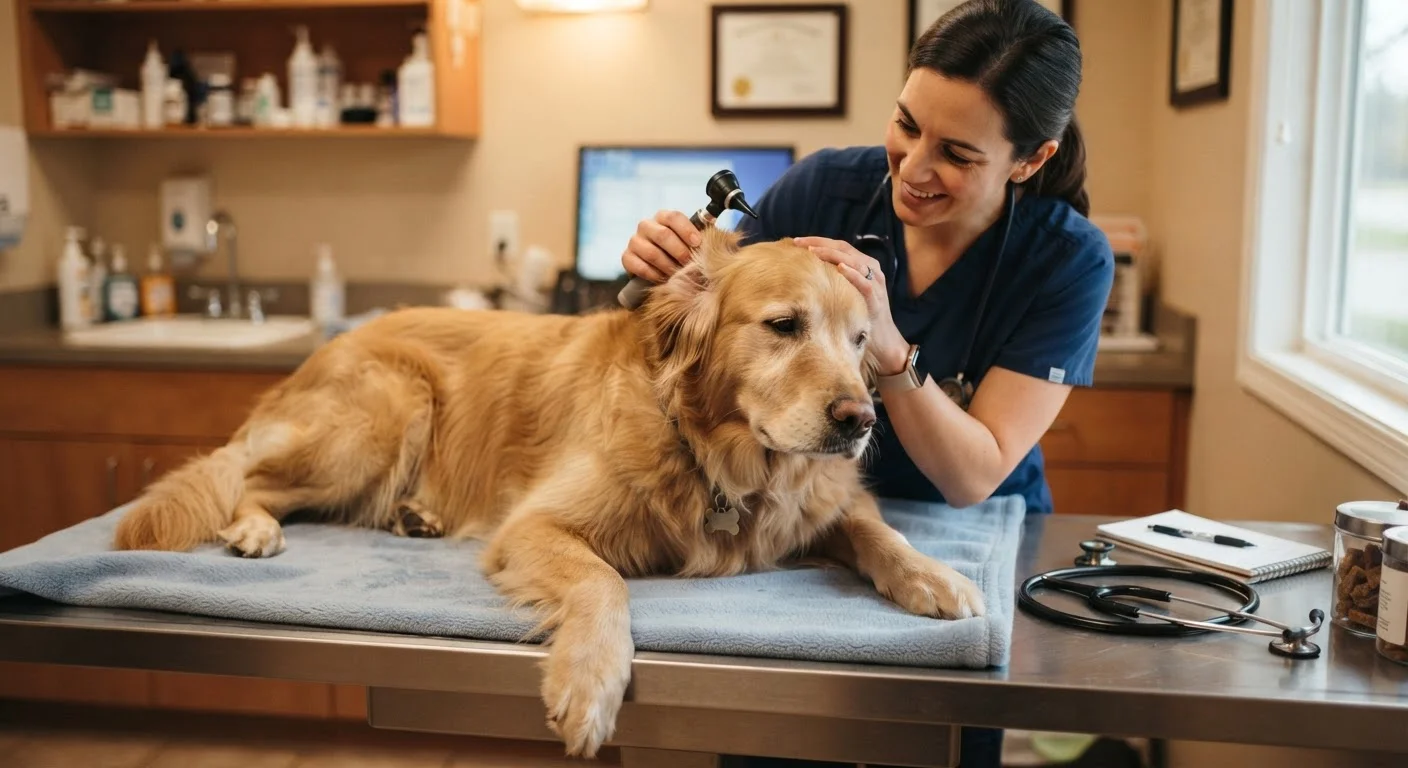
Photo: BridgeWish.com | Reliable Source Of Information editorial
Key Takeaways
- Pet insurance reimburses eligible veterinary costs after you pay the bill upfront.
- Pre-existing conditions are almost universally excluded from coverage.
- Premiums vary based on species, breed, age, and where you live.
- Enrolling while your pet is young and healthy typically locks in broader coverage.
- Pet insurance is not the same as a wellness plan — they serve different purposes.
Reduces financial shock from unexpected emergencies
Accidents and sudden illnesses can generate bills ranging from hundreds to tens of thousands of dollars. Insurance converts that unpredictable risk into a manageable monthly expense.
Encourages owners to pursue recommended treatment
When cost is a barrier, some owners delay or decline care. Coverage can remove that hesitation, helping pets receive timely diagnostics or surgery without the owner facing financial devastation.
Broad illness coverage in comprehensive plans
Many accident-and-illness policies cover cancer treatment, neurological conditions, and chronic disease management — conditions that can require sustained, expensive care over months or years.
Earlier enrollment often means fewer exclusions
Insuring a pet before any health issues develop means those conditions are less likely to be flagged as pre-existing, giving the policy broader reach over the pet's lifetime.
Pre-existing conditions are consistently excluded
Any diagnosis, symptom, or treatment recorded before the policy's waiting period closes will typically be excluded for the life of the policy. This is the single most common source of claim disputes.
Reimbursement model requires upfront payment
You pay the vet in full at the time of service and wait for reimbursement — which can take days to weeks. Owners without savings to bridge that gap may still face a crisis at the checkout desk.
Premiums may exceed lifetime claims for healthy pets
A pet that stays largely healthy throughout its life may cost more in cumulative premiums than it ever returns in reimbursed claims — a real possibility that's impossible to predict at enrollment.
Policy terms and exclusions vary significantly
Coverage limits, waiting periods, breed exclusions, and reimbursement structures differ widely across insurers. Comparing policies requires careful reading of the fine print, not just the monthly premium.
Premiums often rise as pets age
Many plans increase premiums annually as your pet gets older, meaning the cost at year seven or eight may be substantially higher than what you paid when you first enrolled.
How Pet Insurance Generally Works
Pet insurance operates differently from human health insurance in one important way: you typically pay the veterinary bill in full at the time of service, then submit a claim for reimbursement. Most plans reimburse a set percentage — commonly 70%, 80%, or 90% — of covered costs after your deductible is met.
Policies generally come in three structures: accident-only (the most limited and least expensive), accident and illness (the most common choice), and comprehensive plans that may include some routine-care add-ons. Understanding this distinction upfront saves confusion later. For a deeper look at how insurance plans compare to routine-care options, see our guide on pet insurance vs. wellness plans.
Annual deductibles can be structured per-incident or per-year, which affects total out-of-pocket costs significantly. A per-incident deductible resets with each new condition; an annual deductible applies to all claims within a policy year regardless of how many conditions arise.
Waiting Periods Are Standard — Plan Ahead
What Is — and Isn't — Typically Covered
Most accident-and-illness policies cover diagnostics (X-rays, bloodwork, ultrasounds), surgeries, hospitalization, prescription medications, and specialist referrals. Some plans extend to alternative therapies such as hydrotherapy or acupuncture, though this varies widely.
What is almost never covered: pre-existing conditions — any illness or injury that appeared before the policy's effective date or waiting period ends. Breed-specific conditions are sometimes excluded too, depending on the policy and your pet's documented history. Elective procedures, cosmetic treatments, and breeding costs are also universally excluded.
Routine preventive care — vaccinations, flea prevention, annual wellness exams — is generally not included in a standard policy, though some insurers offer it as a paid add-on. Our overview of pet vaccination schedules can help you budget for those predictable costs separately. For a side-by-side look at how insurance and wellness plans divide these responsibilities, visit our article on pet insurance vs. veterinary wellness plans.
$1,500–$5,000+
Typical cost of common emergency pet procedures
According to the American Veterinary Medical Association, treatments such as cruciate ligament repair, intestinal obstruction surgery, or cancer diagnostics frequently fall within or above this range.
~4%
Share of US pets currently insured
The North American Pet Health Insurance Association (NAPHIA) has reported that only a small fraction of pets in the US carry health insurance, despite growing industry enrollment year over year.
The Pros and Cons Worth Weighing
Like any financial tool, pet insurance involves real trade-offs. The case for enrolling is strongest when you're facing an unpredictable future with a young, healthy animal. The case against it becomes more compelling the older or more medically complex your pet already is.
Reduces financial shock from unexpected emergencies
Accidents and sudden illnesses can generate bills ranging from hundreds to tens of thousands of dollars. Insurance converts that unpredictable risk into a manageable monthly expense.
Encourages owners to pursue recommended treatment
When cost is a barrier, some owners delay or decline care. Coverage can remove that hesitation, helping pets receive timely diagnostics or surgery without the owner facing financial devastation.
Broad illness coverage in comprehensive plans
Many accident-and-illness policies cover cancer treatment, neurological conditions, and chronic disease management — conditions that can require sustained, expensive care over months or years.
Earlier enrollment often means fewer exclusions
Insuring a pet before any health issues develop means those conditions are less likely to be flagged as pre-existing, giving the policy broader reach over the pet's lifetime.
Pre-existing conditions are consistently excluded
Any diagnosis, symptom, or treatment recorded before the policy's waiting period closes will typically be excluded for the life of the policy. This is the single most common source of claim disputes.
Reimbursement model requires upfront payment
You pay the vet in full at the time of service and wait for reimbursement — which can take days to weeks. Owners without savings to bridge that gap may still face a crisis at the checkout desk.
Premiums may exceed lifetime claims for healthy pets
A pet that stays largely healthy throughout its life may cost more in cumulative premiums than it ever returns in reimbursed claims — a real possibility that's impossible to predict at enrollment.
Policy terms and exclusions vary significantly
Coverage limits, waiting periods, breed exclusions, and reimbursement structures differ widely across insurers. Comparing policies requires careful reading of the fine print, not just the monthly premium.
Premiums often rise as pets age
Many plans increase premiums annually as your pet gets older, meaning the cost at year seven or eight may be substantially higher than what you paid when you first enrolled.
If you're weighing insurance against simply setting aside savings in a dedicated pet emergency fund, consider that a single orthopedic surgery or cancer treatment can run into the thousands — sometimes more than an entire year's worth of premiums. The unpredictability of timing is the central argument for insurance over self-funding.
Factors That Affect Your Premium
Premiums are not one-size-fits-all. Insurers typically calculate your monthly cost based on:
- Species and breed: Certain breeds carry statistically higher risks for specific conditions, which raises premiums. Large breeds prone to joint issues or brachycephalic dogs with respiratory concerns often cost more to insure.
- Age at enrollment: Younger pets generally have lower premiums. Many insurers also cap enrollment at a certain age or exclude senior pets from new policies.
- Geographic location: Veterinary costs differ significantly by region, and insurers price accordingly.
- Coverage level: Higher reimbursement percentages, lower deductibles, and higher annual limits all increase your premium.
Adjusting your deductible and reimbursement percentage is one of the most effective ways to bring a premium within budget without eliminating coverage entirely. Always read the summary of benefits carefully before committing — policy language around exclusions, waiting periods, and claim limits matters far more than the headline monthly cost.
For a broader look at how insurance products are structured across categories, our Pet Health & Vet hub covers related topics including when to seek veterinary care and what to expect from specialist visits.
This article is for general informational purposes only and does not constitute financial or veterinary advice. Consult a licensed insurance professional and your veterinarian when making decisions specific to your pet's needs.
The content on this site is for informational purposes only and is not a substitute for professional advice. Always consult a qualified professional for guidance specific to your situation.