
Pet Insurance vs. Wellness Plans: Two Very Different Things

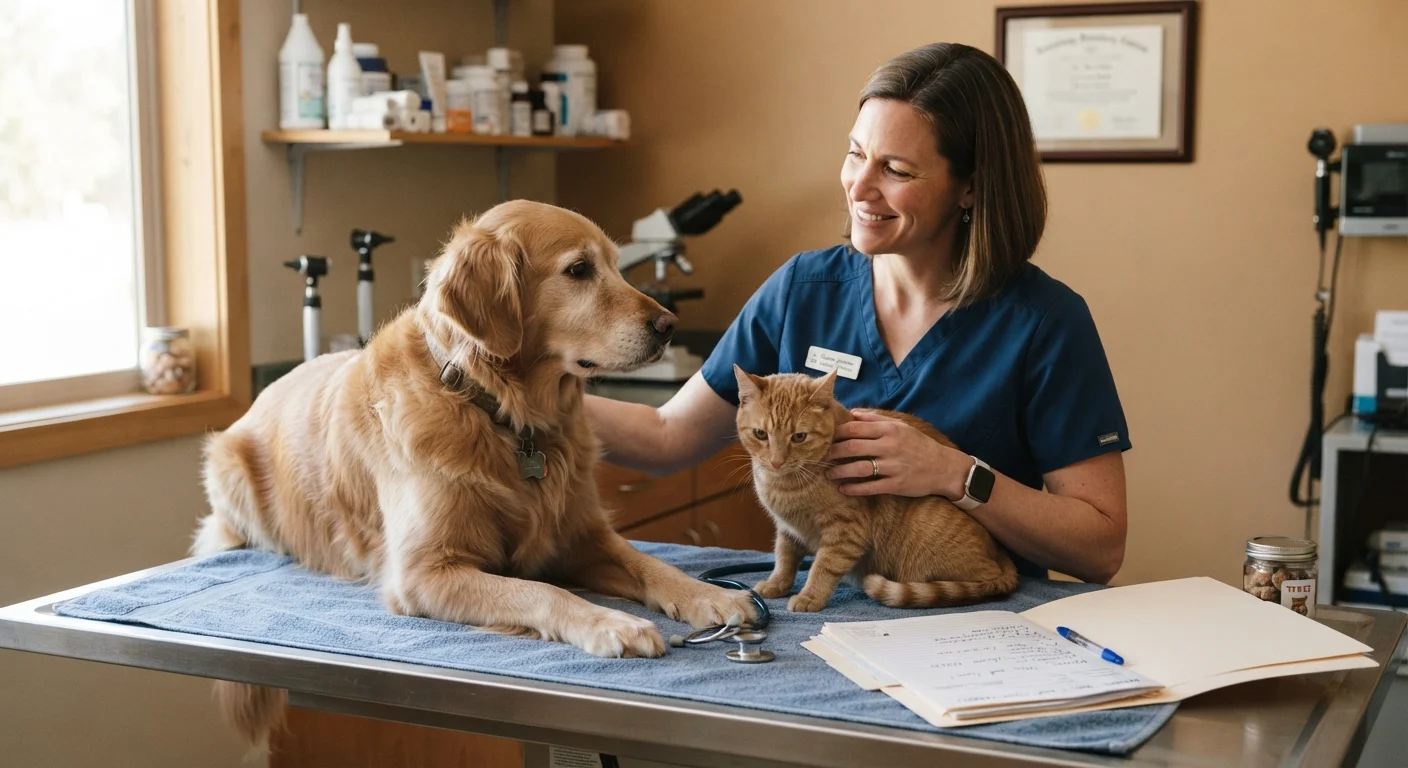
Photo: BridgeWish.com | Reliable Source Of Information editorial
Key Takeaways
- Pet insurance is designed to cover unexpected illnesses and injuries, not routine care.
- Wellness plans are prepaid packages for predictable preventive services like vaccines and exams.
- The two products serve different financial purposes and can often be used together.
- Neither option is a substitute for the other — your pet may benefit from both.
- Always read the fine print: exclusions, waiting periods, and reimbursement models vary widely.
Why the Confusion Exists
Walk into any veterinary office and you'll likely see brochures for both pet insurance and wellness plans displayed side by side. Many pet owners assume these are interchangeable — or that one automatically includes the other. They don't, and it doesn't.
The core difference comes down to what kind of costs each product is designed to handle. Pet insurance is built around uncertainty: the unexpected accident, the sudden diagnosis, the surgery nobody planned for. A wellness plan, by contrast, is built around certainty — the routine, predictable care your pet needs every year regardless of their health status.
For a deeper look at how these two products differ structurally, see our article on the real difference between pet insurance and a veterinary wellness plan. Understanding this distinction is the first step toward making a genuinely informed decision for your pet.
How Pet Insurance Works
Pet insurance operates similarly to human health insurance in concept, though the mechanics differ. You pay a monthly premium, and if your pet experiences a covered illness or injury, you submit a claim for reimbursement — typically after meeting a deductible and subject to a co-insurance percentage.
Most policies cover:
- Accidents (broken bones, swallowed objects, lacerations)
- Illnesses (infections, cancer, diabetes, and other diagnoses)
- Emergency care and hospitalization
- Specialist referrals and diagnostic testing
- Some surgical procedures
What pet insurance generally does not cover includes pre-existing conditions, elective procedures, and — critically — routine wellness visits. Waiting periods also apply, meaning coverage doesn't begin the moment you enroll.
~4 in 10
Pet owners who face an unexpected vet bill annually
According to the American Pet Products Association, a significant share of pet owners encounter unplanned veterinary costs each year.
$1,500+
Typical cost of common emergency vet visits
Veterinary emergency care for conditions like foreign body ingestion or fractures commonly runs into the thousands, depending on the procedure and location.
For a thorough breakdown of coverage structures and trade-offs, our guide on understanding pet insurance coverage before you need it is a useful starting point.
How Wellness Plans Work
Wellness plans — sometimes called preventive care plans — are not insurance at all. They are essentially prepaid service bundles offered by veterinary practices or, in some cases, as optional add-ons to insurance policies.
A typical wellness plan might include:
- One or two annual wellness exams
- Core vaccinations
- Flea, tick, and heartworm prevention
- Routine blood panels or urinalysis
- Dental cleanings (in some plans)
Because these services occur on a predictable schedule, a wellness plan lets owners spread the cost into manageable monthly payments rather than paying a lump sum at each visit. There's no claims process, no deductible, and no reimbursement — you simply use the services included in your plan.
Enroll in Pet Insurance While Your Pet Is Young
Routine preventive care catches problems early, often before any symptoms appear. Our article on {{link:/pets/pet-care-basics/why-your-pets-annual-vet-visit-matters-even-when-they-seem-healthy|why your pet's annual vet visit matters even when they seem healthy|why your pet's annual vet visit matters} explains what's at stake when routine exams are skipped.
Comparing the Two Side by Side
The table below summarizes the key differences across the criteria that matter most when evaluating your options.
| Pet Insurance | Wellness Plan | |
|---|---|---|
| Primary purpose | Covers unexpected illness or injury costs | Prepays for routine preventive services |
| Cost structure | Monthly premium + deductible + co-pay | Flat monthly fee, no claims process |
| Reimbursement model | Pay vet, submit claim, get reimbursed | Services included; no reimbursement needed |
| Covers routine exams | Generally no (unless add-on purchased) | Yes — typically the core offering |
| Covers emergencies | Yes, after waiting period and deductible | No |
| Pre-existing condition exclusions | Yes, typically excluded | Not applicable |
| Waiting periods | Yes — days to weeks depending on condition | Usually none or minimal |
| Where obtained | Independent insurance providers | Often directly through a veterinary practice |
One important note: if a wellness plan is offered as an add-on to a pet insurance policy, the wellness portion still functions as a prepaid bundle — it doesn't change the claims-based nature of the underlying insurance.
Using Both Together
For many pet owners, the most practical approach is layering both products. Pet insurance handles the financial shock of unexpected illness or injury, while a wellness plan smooths out the predictable annual costs of preventive care. Together, they can cover a much broader range of veterinary scenarios than either does alone.
That said, neither product is right for every situation, and cost matters. Before enrolling in anything, it's worth comparing what you'd actually spend on routine care out-of-pocket versus the cost of a wellness plan, and honestly assessing your financial tolerance for a large, unexpected vet bill.
Wellness Plans Are Not a Safety Net for Big Bills
For a thorough walk-through of what actually happens during a routine checkup — and why those visits have long-term health value — see our guide to annual wellness exams and what vets check. You can also explore more foundational guidance in the Pet Care Basics hub.
This article is for general informational purposes only and does not constitute financial or veterinary advice. Consult a licensed veterinarian or financial professional for guidance specific to your situation.
The content on this site is for informational purposes only and is not a substitute for professional advice. Always consult a qualified professional for guidance specific to your situation.