
Annual Wellness Exams: What Vets Check and Why It Matters

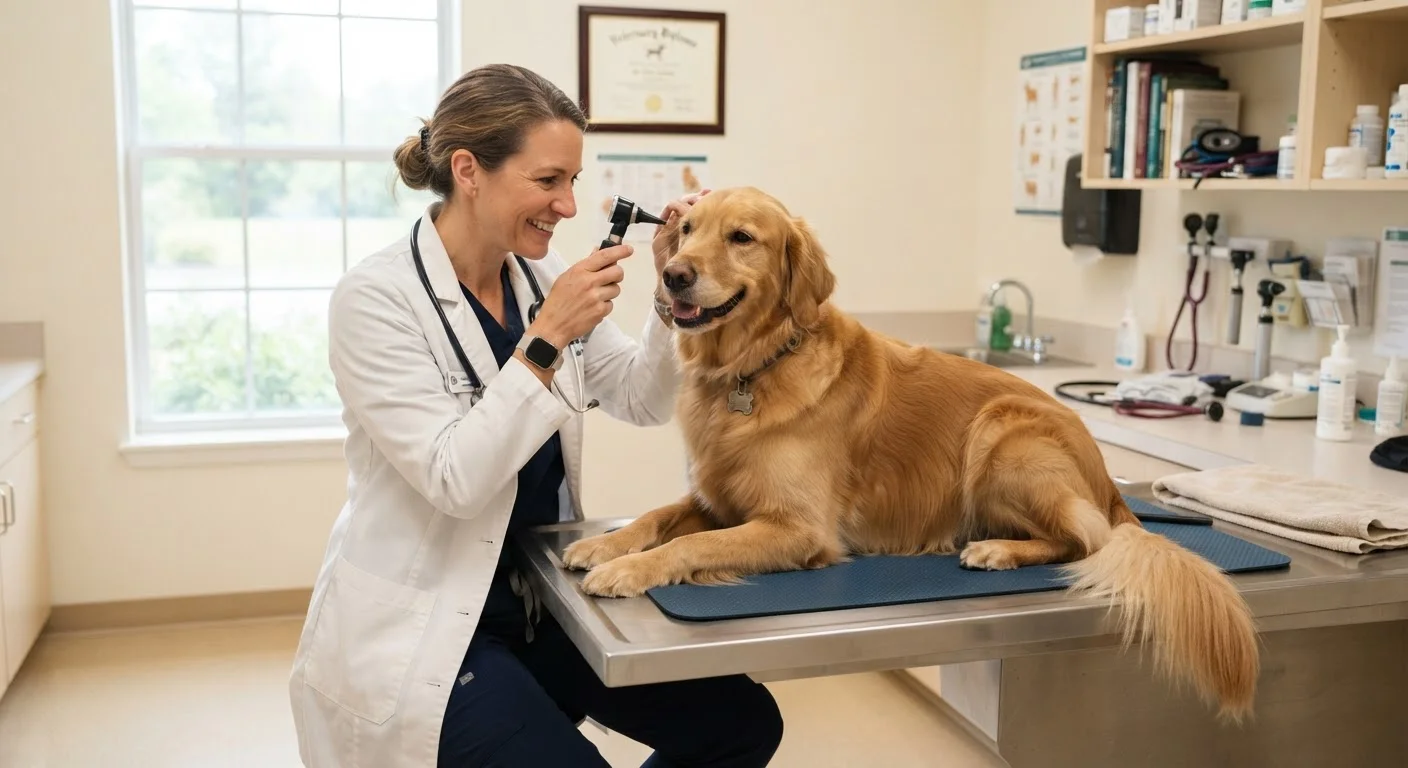
Photo: BridgeWish.com | Reliable Source Of Information editorial
Key Takeaways
- Annual wellness exams cover far more than a quick weigh-in — they assess your pet head to toe.
- Vets use physical findings to detect early-stage disease before visible symptoms appear.
- Bloodwork and parasite screenings are often recommended alongside the physical exam.
- Bringing a list of observations from home helps your vet get the full picture.
- Wellness visits are distinct from sick visits — regular scheduling matters even for healthy-seeming pets.
Why Annual Exams Are About Prevention, Not Just Problems
It's easy to skip a wellness appointment when your pet seems perfectly fine. But that's precisely why these visits matter. Animals instinctively mask discomfort, meaning a cat or dog can be dealing with pain, organ changes, or early disease long before any obvious sign appears at home.
A routine annual exam gives your veterinarian a documented health baseline — weight, heart rate, coat quality, and more — that makes it possible to spot meaningful changes over time. Without that baseline, gradual shifts can go unnoticed until they've become harder to manage. As covered in Why Your Pet's Annual Vet Visit Matters Even When They Seem Healthy, skipping routine exams carries real, often underestimated risk.
For senior pets — generally dogs and cats over age seven — many vets recommend biannual checkups, since age-related changes can accelerate quickly. Your vet can advise on the right schedule for your specific animal.
Track Changes Between Visits
What Your Vet Actually Checks: A Head-to-Tail Overview
A standard wellness exam is more comprehensive than most owners expect. Here's what a thorough physical assessment typically includes:
- Weight and body condition score: Unexplained weight loss or gain can signal metabolic, dental, or internal health issues.
- Eyes and ears: Vets look for discharge, cloudiness, redness, or signs of infection and early vision changes.
- Teeth and gums: Periodontal disease is extremely common in dogs and cats, and oral bacteria can affect heart and kidney health over time.
- Lymph nodes: Swollen nodes can indicate infection, inflammation, or, in some cases, more serious conditions.
- Heart and lungs: A stethoscope check listens for murmurs, arrhythmias, or abnormal breath sounds.
- Abdomen: Manual palpation helps identify organ enlargement, pain, masses, or intestinal irregularities.
- Skin and coat: Dryness, hair loss, lumps, parasites, or unusual odor are all assessed.
- Musculoskeletal system: Gait, joint mobility, and muscle tone help detect early arthritis or neurological concerns.
For a deeper look at diagnostic follow-up, How Vets Diagnose What's Wrong explains how physical findings often lead to further testing.
Dental Disease Is Often Underestimated
Lab Work, Vaccines, and Parasite Screening
Depending on your pet's age, species, lifestyle, and prior health history, your vet may recommend diagnostic tests alongside the physical exam. Common additions include:
- Blood panel (CBC and chemistry): Screens for anemia, infection, kidney function, liver values, blood sugar, and thyroid levels in cats.
- Urinalysis: Evaluates kidney health and can detect urinary tract infections or early diabetes.
- Fecal test: Checks for intestinal parasites, some of which pose risks to human family members as well.
- Heartworm test: Required before starting or continuing heartworm prevention in dogs; recommended in cats in endemic regions.
- Vaccinations: Core vaccines (such as rabies and distemper combinations) and lifestyle-based vaccines are reviewed and updated as needed.
Not every test is needed every year for every pet — your vet will recommend based on individual risk factors and history. This is a good time to ask about wellness plans that bundle preventive care costs.
Don't Skip Labs for Senior Pets
How to Prepare for and Get the Most From the Visit
Your observations at home are genuinely valuable clinical data. Before the appointment, take note of any changes — however minor they seem — in eating, drinking, bathroom habits, energy level, or behavior. Bring a fresh stool sample if a fecal test is likely. Write down any questions in advance so nothing slips your mind in the moment.
During the visit, don't hesitate to ask your vet to explain findings in plain language. Questions Worth Asking at Every Vet Appointment offers a useful framework if you're not sure where to start.
Annual wellness care is a core part of responsible pet ownership, alongside daily nutrition, grooming, and enrichment — all explored further in the Pet Care Basics hub.
This article is for general informational purposes only and is not a substitute for professional veterinary advice. Always consult a licensed veterinarian for guidance specific to your pet's health needs.
The content on this site is for informational purposes only and is not a substitute for professional advice. Always consult a qualified professional for guidance specific to your situation.