
Dental Disease in Pets: What Most Owners Underestimate

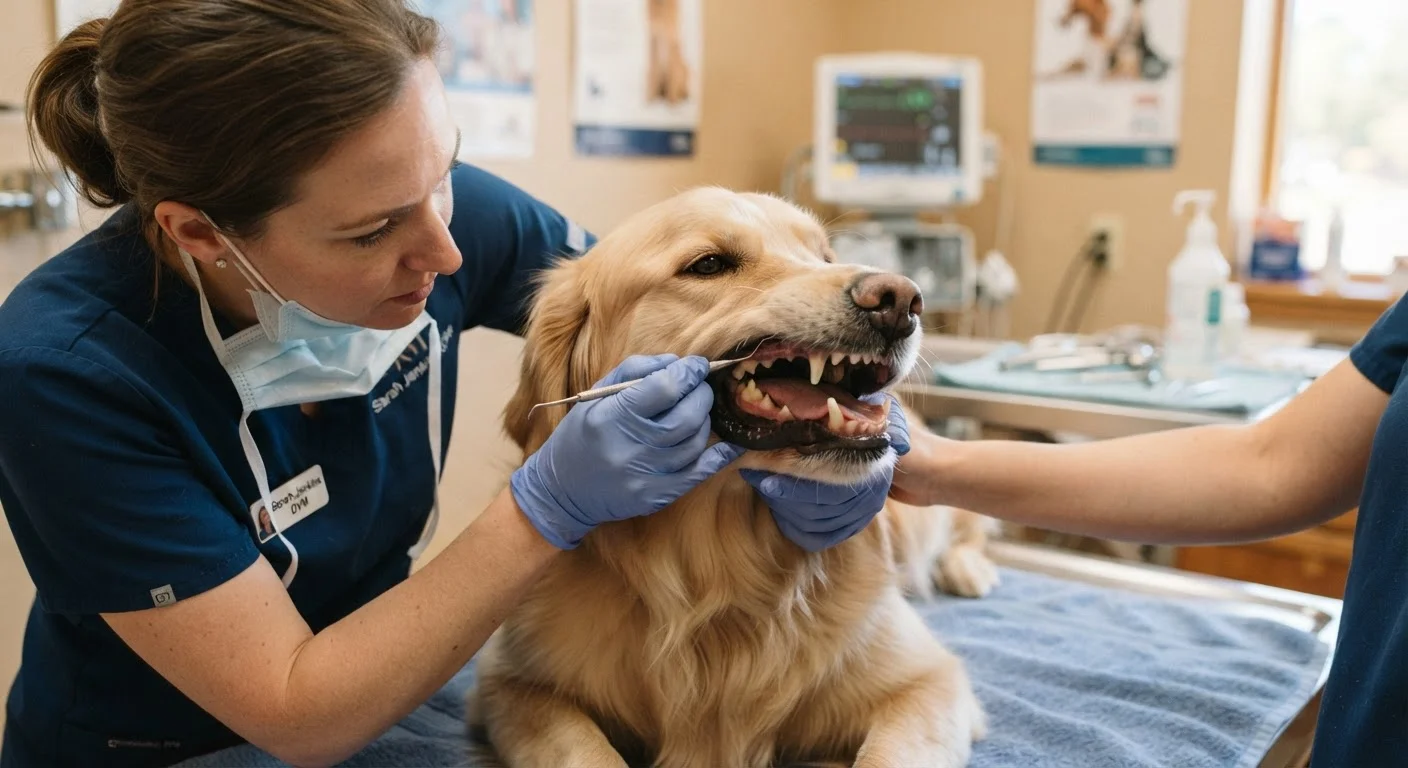
Photo: BridgeWish.com | Reliable Source Of Information editorial
Key Takeaways
- Periodontal disease affects the majority of dogs and cats by age three, according to veterinary estimates.
- Bad breath is not normal — it's often the first detectable sign of dental disease.
- Untreated oral infections can spread bacteria to the heart, kidneys, and liver.
- Home brushing and professional cleanings work together; neither alone is sufficient.
- Pets instinctively hide dental pain, so owners should not wait for obvious distress before seeking care.
Why Dental Disease Is So Easy to Miss
Oral disease is consistently ranked among the most common conditions diagnosed in adult dogs and cats — yet it remains one of the least addressed by owners at home. The gap exists for a straightforward reason: dental problems develop gradually, deep under the gumline, and most pets continue eating and behaving relatively normally even as disease advances.
Understanding what's actually happening in your pet's mouth — and where you might be inadvertently falling short — is the first step toward genuinely protecting their health. For a broader foundation, our introduction to monitoring pet health covers the fundamentals of recognizing when something's wrong.
80%
Dogs with dental disease by age three
The American Veterinary Medical Association estimates around 80% of dogs show signs of oral disease by their third birthday.
70%
Cats with periodontal disease by age three
Veterinary dental specialists report similar prevalence in cats, with many cases progressing silently before diagnosis.
The Mistakes That Let Dental Disease Progress
Most owners care deeply about their pets' wellbeing — the errors below are rarely about neglect. They stem from common misconceptions, reassuring myths, and the simple fact that dental pain in animals can be remarkably well hidden. Recognizing these patterns is what allows you to course-correct before significant damage is done.
Treating bad breath as normal or amusing rather than a symptom.
Waiting for visible pain or appetite loss before seeking dental care.
Skipping professional cleanings because the teeth look 'fine' from the outside.
Abandoning home dental care because a pet resists it.
Assuming dry kibble provides adequate dental cleaning.
Dental Disease Can Affect Internal Organs
For a detailed look at what healthy teeth look like versus early warning signs, the overview of dental health in dogs and cats provides useful visual benchmarks.
Building a Realistic Prevention Routine
Prevention works on two levels: what you do at home between veterinary visits, and what your veterinarian does during professional cleanings. Neither substitutes for the other.
Never Use Human Toothpaste on Pets
At home, daily brushing with a pet-safe toothpaste is the most evidence-supported habit for reducing plaque. If daily brushing isn't achievable, several times per week still offers benefit. Complement brushing with VOHC-accepted dental chews or water additives if your vet approves them for your pet's situation.
Professionally, cleanings performed under anesthesia allow the veterinarian to probe beneath the gumline, take dental X-rays, and remove calcified tartar that home care cannot touch. Anesthesia-free cleanings — sometimes offered outside veterinary practices — do not allow for this subsurface assessment and are not considered equivalent by veterinary dental specialists.
Dental disease can also be an early indicator of broader systemic concerns. Our article on chronic conditions in pets explores how oral bacteria relate to longer-term organ health. You can also find everyday pet care basics guidance across our care hub.
This article is for general educational purposes only and does not constitute veterinary medical advice. Always consult a licensed veterinarian for guidance specific to your pet's health needs.
The content on this site is for informational purposes only and is not a substitute for professional advice. Always consult a qualified professional for guidance specific to your situation.