
Pet Vaccinations From Puppyhood to Senior Years

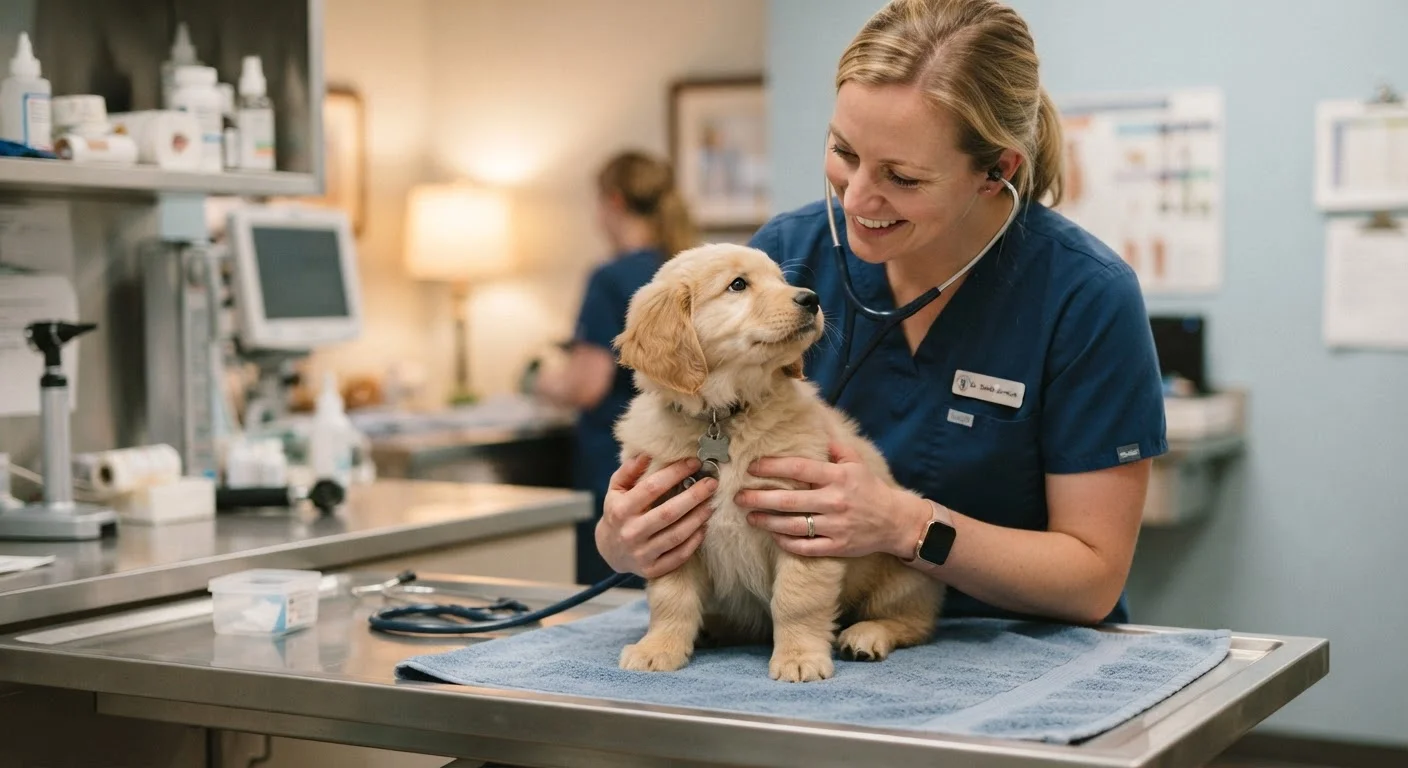
Photo: BridgeWish.com | Reliable Source Of Information editorial
Key Takeaways
- Core vaccines protect against serious, widespread diseases and are recommended for virtually all dogs and cats.
- Puppies and kittens need a series of vaccines starting as early as 6–8 weeks of age to build lasting immunity.
- Booster schedules shift from annual to every one to three years for many vaccines once initial immunity is established.
- Senior pets may need adjusted vaccine protocols—always discuss this with your veterinarian individually.
- Mild soreness after vaccination is normal; persistent swelling or lethargy warrants a prompt call to your vet.
Why Vaccinations Matter at Every Life Stage
Vaccines work by training the immune system to recognize and fight specific pathogens before a real infection occurs. For pets, this protection is not a one-time event—it is a lifelong commitment that evolves as your animal grows, ages, and encounters different environments and risks.
Skipping or delaying vaccines can leave pets—and sometimes the people around them—vulnerable to preventable diseases. Rabies, for example, is both fatal and transmissible to humans, which is why rabies vaccination is legally required in most US states for dogs and in many for cats as well. Beyond legal obligation, the peace of mind that comes with knowing your pet is protected is genuinely valuable.
For a deeper look at how immunization decisions are made across a pet's life, see our guide to annual vaccines, titers, and boosters.
~90%
Reduction in canine parvovirus deaths with vaccination
Widespread vaccination since the late 1970s has dramatically reduced parvovirus fatality rates in dogs, according to veterinary immunology literature.
49 states
US states with mandatory dog rabies vaccination laws
As of recent reporting, nearly every US state legally requires rabies vaccination for domestic dogs, reflecting the disease's public health significance.
3 years
Duration of immunity for many adult core vaccines
After the initial booster at one year, many USDA-approved core vaccines for dogs and cats carry a labeled three-year duration of immunity.
Core vs. Non-Core Vaccines: Understanding the Difference
Core vaccines are those recommended for every pet regardless of lifestyle, because the diseases they target are widespread, serious, or pose a public health risk. For dogs, core vaccines typically include rabies, distemper, parvovirus, and adenovirus (hepatitis)—often combined in a single injection known as the DHPP or DA2PP shot. For cats, core vaccines generally cover rabies, feline panleukopenia (distemper), feline herpesvirus, and calicivirus—commonly combined as the FVRCP vaccine.
Non-core vaccines are recommended based on a pet's individual risk factors—where they live, how often they interact with other animals, and whether they travel. Examples include Bordetella (kennel cough) for dogs frequently in boarding or dog parks, leptospirosis for dogs with outdoor or water exposure, and feline leukemia virus (FeLV) for cats who spend time outdoors.
Before each vet visit, write down your pet's current lifestyle changes—new dog park visits, travel, exposure to wildlife—so your vet can quickly reassess which non-core vaccines still make sense.
Ask your vet to record each vaccine's lot number and expiration date in your pet's file—this information is essential if a reaction occurs and a product investigation is needed.
Your veterinarian is the best person to assess which non-core vaccines make sense for your specific pet. For a plain-language overview of these categories, our article on pet vaccination schedules explained provides additional context.
Your Vet Decides Vaccine Protocols—Not Online Schedules
Puppy and Kitten Vaccination Schedules
Young animals receive passive immunity from their mothers through antibodies in colostrum (first milk), but this protection fades within the first weeks of life. To bridge the gap, vets recommend starting a vaccine series at around 6–8 weeks of age, with boosters given every 3–4 weeks until the puppy or kitten reaches 16 weeks of age—or older, depending on the specific vaccine and the pet's health status.
A typical puppy schedule might look like this:
- 6–8 weeks: First DHPP combination
- 10–12 weeks: Second DHPP; Bordetella if appropriate
- 14–16 weeks: Third DHPP; rabies vaccine
- 12–16 months: Booster DHPP and rabies
Kitten schedules follow a similar pattern using the FVRCP series, with FeLV vaccine considered for outdoor or at-risk kittens. Starting socialization and vet visits early sets a positive foundation—learn more about those critical early weeks in our guide on socialization windows in puppies and kittens.
Keep Your Vaccine Records in One Place
Adult Pet Boosters: Keeping Immunity Current
Once the initial puppy or kitten series is complete, most core vaccines shift to a less frequent booster schedule. Many combination vaccines carry a three-year label for adult dogs and cats after the first annual booster, though some—like leptospirosis and Bordetella—are still given annually due to shorter duration of immunity.
It is important to note that "three-year vaccine" refers to the labeled duration of immunity for that specific product under the conditions studied—it does not mean a pet can skip veterinary checkups for three years. Annual wellness exams remain valuable for early disease detection, dental assessment, weight monitoring, and updating any lifestyle-dependent non-core vaccines.
If you have questions about whether your adult pet's immunity is still protective between scheduled boosters, ask your vet about titer testing—a blood test that measures existing antibody levels. Our in-depth article on titers and boosters explains how this testing works and when it may be appropriate.
Vaccination Considerations for Senior Pets
As pets age—generally considered to begin around age 7 for dogs and 10–11 for cats, though this varies by size and breed—their immune systems may become less robust, and their overall health picture grows more complex. This does not automatically mean discontinuing vaccines, but it does mean the conversation with your vet becomes more individualized.
Some senior pets with chronic health conditions may benefit from a modified vaccine schedule, while others in good health may continue on a standard protocol. Your vet will weigh factors like kidney function, immune status, and exposure risk. For a broader look at how to adapt your approach as your pet gets older, our guides on senior pets and changing health needs and caring for a senior pet offer helpful context.
One practical note: some municipalities still require proof of current rabies vaccination regardless of a pet's age or health status. Check local requirements and document all vaccines carefully throughout your pet's life.
Never Skip Rabies Vaccines Without Vet Guidance
Recognizing Vaccine Reactions and When to Call Your Vet
Most pets tolerate vaccines well. Mild, short-lived signs—slight lethargy, soreness at the injection site, or a temporary decrease in appetite—are normal responses as the immune system activates. These typically resolve within 24–48 hours without intervention.
However, some reactions require prompt veterinary attention. Contact your vet right away if you observe:
- Facial swelling or hives
- Repeated vomiting or diarrhea
- Difficulty breathing
- Persistent swelling at the injection site that does not shrink within a few weeks (especially in cats)
- Collapse or extreme weakness
Severe allergic reactions (anaphylaxis) are rare but can occur within minutes to hours of vaccination. If you notice rapid-onset distress, seek emergency veterinary care immediately rather than waiting to see if it resolves.
Keeping a simple health journal that notes the date, vaccine given, and any post-vaccine observations is a practical habit that helps your vet spot patterns over time. You can find more guidance on building good lifelong care routines at our Pet Care Basics hub.
This article is for general informational purposes only and is not a substitute for professional veterinary advice. Always consult a licensed veterinarian for guidance specific to your pet's health, history, and individual needs.
The content on this site is for informational purposes only and is not a substitute for professional advice. Always consult a qualified professional for guidance specific to your situation.