
Socialization Windows in Puppies and Kittens: Why Timing Matters So Much

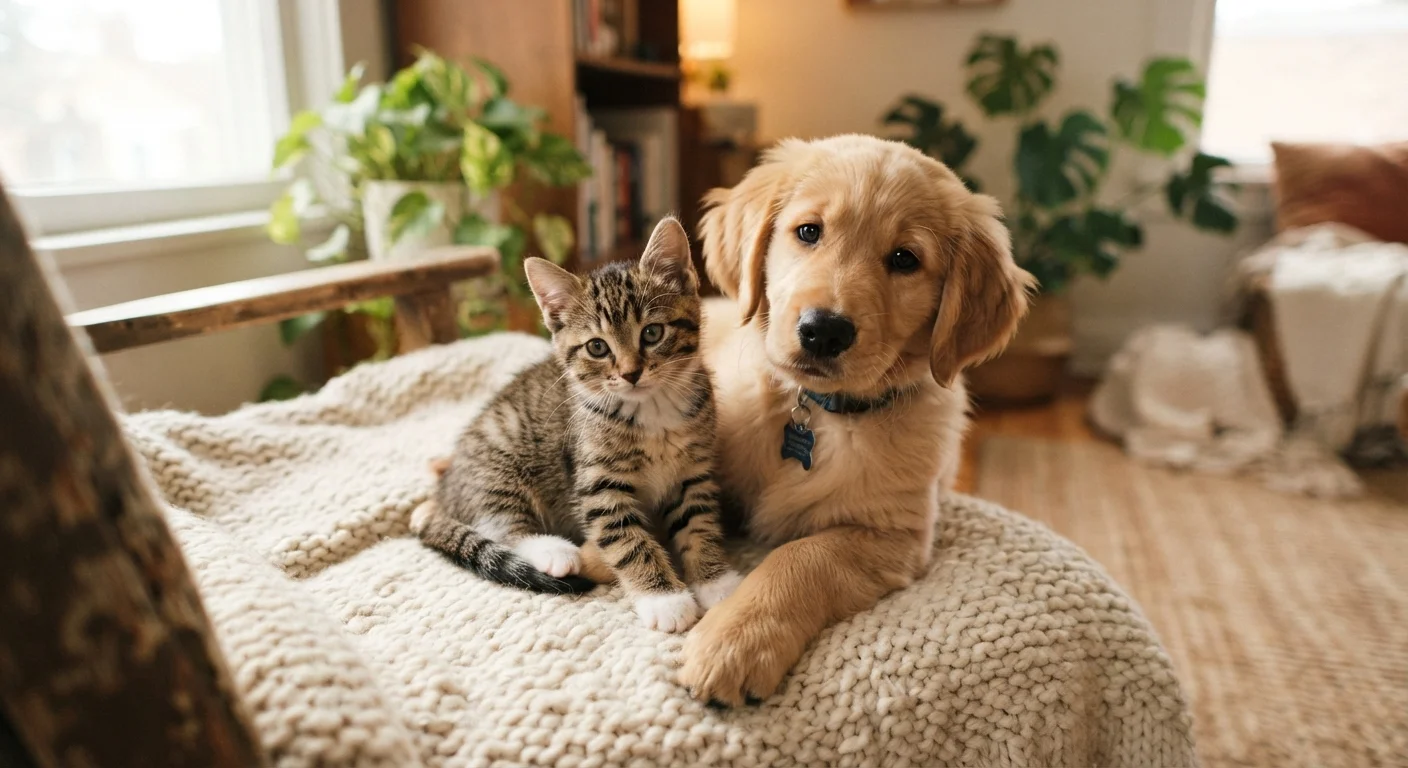
Photo: BridgeWish.com | Reliable Source Of Information editorial
Key Takeaways
- Puppies have a primary socialization window roughly from 3 to 12–14 weeks of age.
- Kittens have a shorter, earlier window — approximately 2 to 7 weeks.
- Positive, low-stress exposures during these periods shape lifelong behavioral patterns.
- Missing the window doesn't doom a pet, but recovery takes much more time and effort.
- Vaccination status should inform but not completely halt socialization efforts during this period.
- Quality of exposure matters as much as quantity — frightening experiences can backfire.
What Makes These Early Weeks So Different
Young animals are not simply small adults. During the first weeks of life, the brain undergoes rapid development, and there are specific periods when it is especially receptive to environmental input. These are the socialization windows — and what fills them matters enormously.
During this time, a puppy or kitten is building a mental model of what the world looks like, sounds like, and feels like. Experiences absorbed during the window tend to be encoded more deeply than those encountered later. A puppy who hears the roar of a vacuum cleaner at eight weeks is far more likely to accept it calmly as an adult than one who encounters it for the first time at eight months.
This isn't about forcing animals into situations — it's about gently and systematically expanding their comfort zone while their brains are primed to accept novelty rather than default to fear.
Sensitive Period vs. Critical Period
The Puppy Window: 3 to 14 Weeks
For dogs, the socialization window opens around 3 weeks of age, when puppies begin engaging with littermates and their mother in more complex ways. By 4 to 5 weeks, they start forming impressions of humans. The window is generally considered most sensitive between 5 and 12 weeks, with some researchers extending meaningful sensitivity to 14 weeks.
Within this span, puppies benefit from calm, positive exposure to a wide variety of stimuli: different types of people, gentle handling of paws and ears, varied floor surfaces, household sounds, and other friendly animals. The goal isn't maximum stimulation — it's quality exposure that consistently ends on a good note.
One often-overlooked aspect is that puppies are still typically with their breeder or rescue during the most critical part of this window. That means the socialization work starts before the owner even brings the puppy home. Asking about early socialization practices is one of the most important questions a prospective owner can raise. Before bringing a puppy home, see our readiness checklist for new pet owners to prepare for those first weeks together.
Ask Before You Adopt
The Kitten Window: Earlier and Shorter
Kittens follow a compressed version of the same developmental arc. Their sensitive period runs roughly from 2 to 7 weeks, meaning much of the window passes before most owners even bring a kitten home at 8 weeks. This places a significant responsibility on breeders and rescue caregivers to provide rich early experiences.
During those early weeks, kittens benefit from gentle daily handling, exposure to different people and household sounds, and interaction with calm, healthy adult cats. A kitten raised in a quiet, isolated environment may grow into a cat that's easily startled or avoidant of strangers — not out of any character flaw, but simply because the window for comfortable novelty has partially closed.
Even after adoption, the weeks following the kitten's arrival home still carry meaningful weight. Gradual, positive introduction to various rooms, surfaces, and sounds helps extend and build on whatever early socialization occurred.
When the Window Closes: What It Means and What Doesn't
The closing of the socialization window is not a hard stop — it's more like a dimmer switch slowly turning down. After the sensitive period, animals continue learning throughout their lives, but new associations require more repetitions, more patience, and more careful management of stress levels.
An undersocialized adult dog isn't beyond help. Working with a certified professional trainer or veterinary behaviorist can make meaningful improvements. Progress simply tends to be slower and more incremental. The same is true for cats: gradual desensitization and counter-conditioning can improve comfort over time. For more on what happens when early socialization is missed, including what recovery can look like, that's worth reading alongside this piece.
“The socialization period is arguably the most important developmental window in a dog's life. What happens — or fails to happen — during those weeks sets the behavioral foundation that owners and trainers work from for years.”
— Dr. Ian Dunbar, Veterinarian and pioneer of puppy socialization science
Balancing Socialization and Health Safety
A common concern — and a valid one — is that puppies and kittens are still completing their vaccination schedules during the socialization window. Full protection from diseases like parvovirus isn't in place until the series is complete, which can extend past the window's close.
The practical answer is managed socialization, not no socialization. Many veterinary organizations encourage puppy classes that require basic vaccination for all participants, or visits to homes with healthy, vaccinated pets. Avoiding high-risk environments like dog parks or areas with unknown animal traffic is sensible, while still allowing supervised, lower-risk positive experiences to proceed. Our companion article on vaccination schedules from puppyhood to senior years can help you understand the timeline and have a more informed conversation with your vet about timing.
Always consult your veterinarian about the specific precautions appropriate for your pet's health status and local disease risks. The goal is finding a reasonable middle path — not zero exposure, but smart, low-risk exposure during the weeks that matter most.
3–12 weeks
Puppy primary socialization window
Veterinary behaviorists broadly recognize this range as when puppies are most receptive to forming lasting positive associations with their environment.
2–7 weeks
Kitten sensitive socialization period
Because much of this window precedes typical adoption age, early experiences provided by breeders and rescues are critical to kitten behavioral outcomes.
16 weeks
Approximate age when puppy window significantly diminishes
After this point, new social learning is still possible but generally requires more consistent effort and professional guidance to achieve the same depth of impact.
Making the Most of the Window You Have
Whether you're working with a puppy at week six or a kitten at week nine, intentional and gentle exposure goes a long way. A few guiding principles:
- Keep sessions short. Young animals tire quickly. Brief, positive encounters are more effective than lengthy, overwhelming ones.
- Watch body language. A relaxed, curious animal is learning comfortably. A frozen or panicked one is not benefiting — pause and reduce intensity.
- Pair novelty with good things. Treats, calm praise, and gentle play help the animal form positive associations with new experiences.
- Vary experiences systematically. Think about types of people, sounds, surfaces, smells, and handling scenarios your pet will encounter as an adult — and work toward each one gradually.
Tools like clicker training can be introduced during this window to help young animals start connecting their behavior with positive outcomes. And once the basics of socialization are underway, building a consistent training routine helps consolidate early gains into lasting habits.
This article provides general educational information about animal development and behavior. It is not a substitute for personalized advice from a licensed veterinarian or certified animal behaviorist. Always consult a qualified professional for guidance specific to your pet's needs.
Frequently Asked Questions
The content on this site is for informational purposes only and is not a substitute for professional advice. Always consult a qualified professional for guidance specific to your situation.