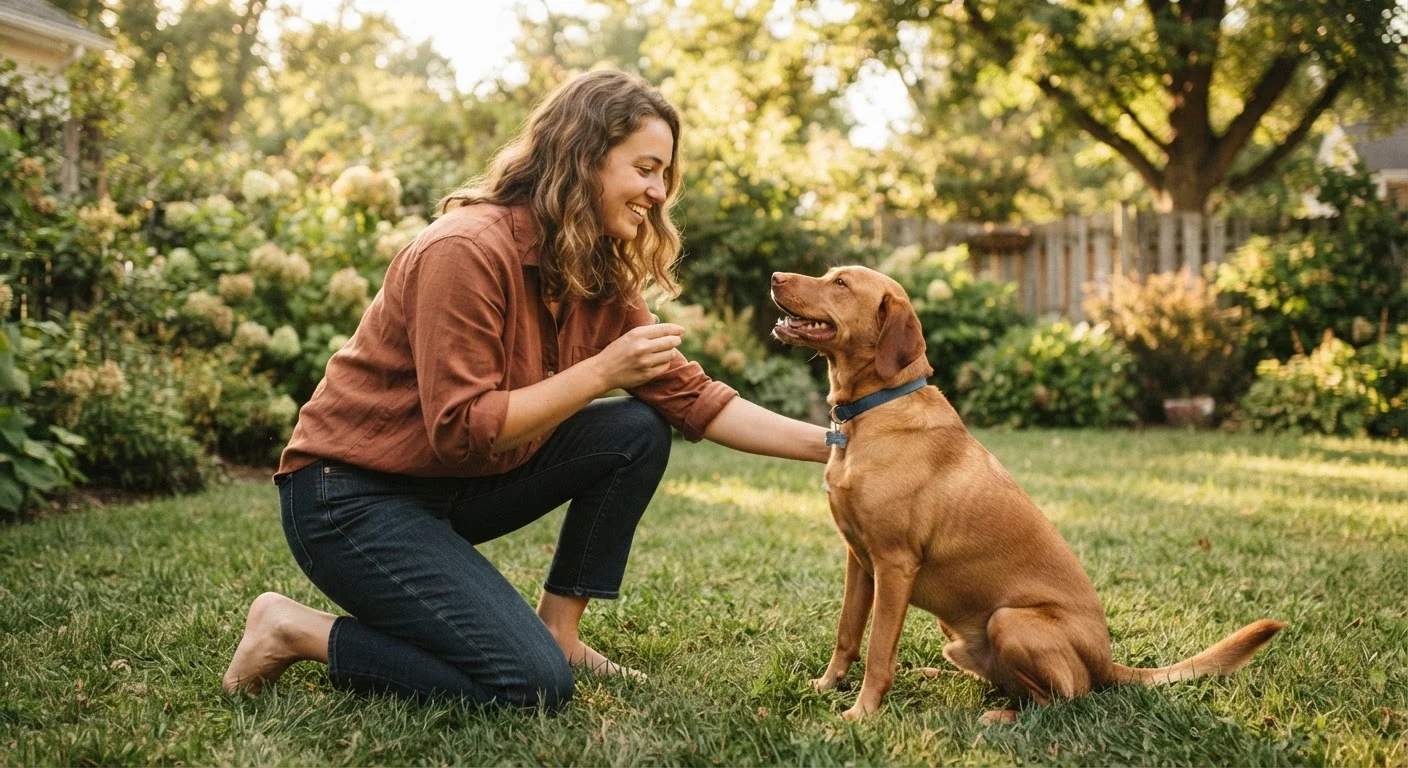
Consistency is the backbone of effective pet training. Learn how to structure short, productive sessions your pet will respond to over time.
Why Routine Matters More Than Raw Repetition
Many pet owners start training with enthusiasm, run a few intense sessions, then watch progress quietly unravel when life gets busy. The missing ingredient is almost never effort — it's structure. Animals learn best through predictable, repeated exposure rather than occasional marathon sessions. A dog practicing "stay" for five focused minutes each morning will outpace one that gets a forty-minute session twice a month.
This isn't just anecdotal wisdom. Applied animal behavior research consistently points to spaced practice — smaller repetitions distributed over time — as more effective for long-term retention than massed practice. If you're new to the science behind how pets absorb new behaviors, our introduction to animal training covers the foundations clearly.
The goal of a training routine isn't to squeeze in maximum repetitions. It's to make learning a normal, low-pressure part of your pet's day.
Best Practices for Structuring Productive Sessions
Once you understand why routine works, the next step is building one that actually fits your life. The practices below reflect guidance from certified animal behaviorists and positive-reinforcement trainers.
1
Keep sessions to 5–10 minutes, especially in the early stages
Pets — particularly young or newly adopted animals — have limited working attention spans. Stopping before fatigue sets in means your pet ends the session in a positive mental state, which increases willingness to engage next time. Longer sessions often lead to errors, frustration, and a pet that starts to avoid training cues.
Example: A puppy learning "down" for the first time may offer enthusiastic attempts for six minutes, then start sniffing the floor or looking away — a clear signal the session should wrap up on the next successful repetition.
2
Anchor training to an existing daily habit
Habits are easier to maintain when they piggyback on something you already do reliably. Linking a training session to a fixed point in your day — right before the morning walk, immediately after feeding — removes the mental friction of deciding when to train. Consistency in timing also helps some pets anticipate and settle into a learning mindset.
Example: Running three quick "sit–stay" repetitions every time you prepare your dog's meal costs under two minutes and happens automatically because the feeding routine is already locked in.
3
Use a clear, consistent marker to signal correct behavior
Whether you use a clicker or a verbal cue like "yes," a consistent marker bridges the gap between the behavior and the reward, making it unambiguous to your pet exactly what earned reinforcement. Inconsistent or delayed marking blurs this signal and slows learning. Our article on
clicker training vs. verbal markers can help you choose the right approach for your situation.
Example: A cat learning to touch a target stick with its nose learns significantly faster when a click lands within one second of the nose contact rather than several seconds later after the cat has moved on.
4
End every session with a successful, easy repetition
Finishing on a behavior your pet knows well — not a new, challenging one — ensures the session closes on a positive note. This keeps the emotional tone of training rewarding rather than effortful, for both of you. Over time, pets associate training sessions with competence and treats rather than frustration.
Example: After working on a difficult "leave it" cue, ask for a reliable "sit" your dog has known for months, mark and reward it generously, then end the session with genuine praise.
5
Raise criteria in small, achievable increments
Jumping too quickly from a basic behavior to a fully proofed one is one of the most common reasons progress stalls. Breaking skills into sub-steps — duration, distance, distraction — and adding only one variable at a time gives your pet a clear path to success. This also helps you spot exactly where a breakdown occurs when one does happen.
Example: Rather than asking for a 30-second "stay" on day two, build to five seconds reliably, then eight, then twelve — rewarding each increment before stretching to the next.
Before your first formal session, it's also worth running through a readiness check. Our pre-session checklist helps you confirm your environment, tools, and timing are set up for success.
Quick Wins You Can Apply Today
You don't need a perfect plan to begin. Small adjustments made now will compound into reliable habits over weeks. Start here:
high
Schedule one 5-minute session into your calendar for tomorrow and attach it to an existing habit — feeding, morning coffee, or the first walk of the day.
medium
Pick a single behavior your pet already knows and practice it 10 times today just to rebuild a positive training association before introducing anything new.
high
Decide on one consistent marker word or tool and commit to using only that during all sessions this week to sharpen communication clarity.
Vary Your Rewards to Sustain Motivation
A treat that thrills your pet on day one may lose its pull by week three. Keep a small rotation of high-value rewards — different food treats, a brief play session, or enthusiastic verbal praise — and vary which one follows a correct response. Unpredictability in reward type (not in whether a reward comes) can actually strengthen motivation over time, a principle well established in reward-based learning research.
For a deeper look at why steady effort consistently beats sporadic intensity, see our article on why consistency beats intensity — the principle applies just as well to pet training as it does to fitness.
When Progress Stalls — and What to Do
Even well-structured routines hit walls. A behavior that seemed solid suddenly falls apart; your pet loses interest; sessions feel like a chore. This is normal, and it doesn't mean your routine has failed.
Regression Is Normal, Not a Setback
It's common for a previously solid behavior to appear to deteriorate, especially after environmental changes, illness, or a gap in practice. This doesn't mean your pet has forgotten — it usually means the behavior needs re-strengthening under the new conditions. Drop back to an easier version of the cue, rebuild confidence with high rates of reinforcement, and progress typically returns faster than it did the first time.
The most common culprits are raising criteria too quickly, training when the pet is tired or over-threshold, or using a reward that has lost its value. Our companion piece on troubleshooting training plateaus walks through each scenario in detail.
If you're weighing whether to supplement your home routine with professional support, group classes vs. private training sessions outlines what each format offers and when each makes sense.
The content on this site is for informational purposes only and is not a substitute for professional advice. Always consult a qualified professional for guidance specific to your situation.