
Clicker Training Explained: How a Small Device Changes Pet Learning

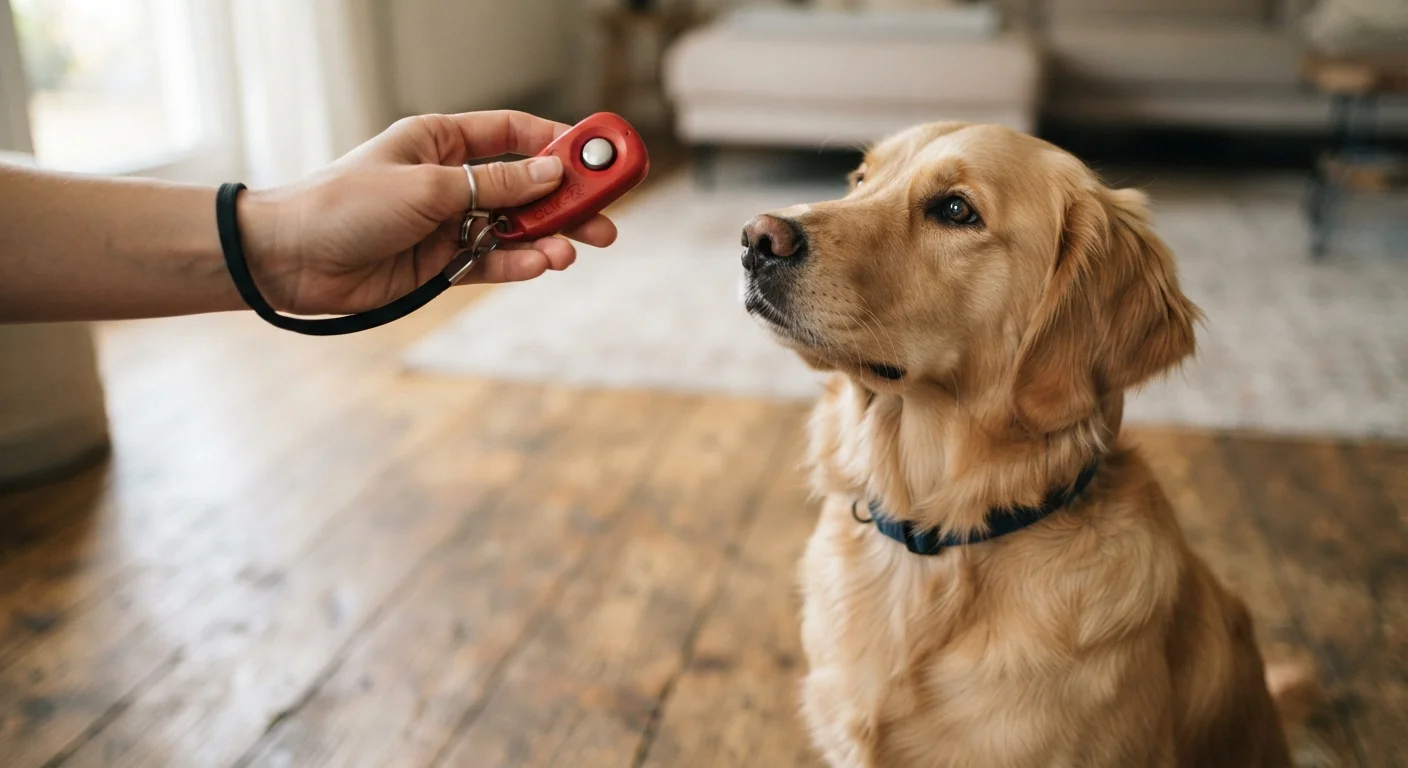
Photo: BridgeWish.com | Reliable Source Of Information editorial
Key Takeaways
- The click sound marks the exact moment of correct behavior, making communication between owner and pet far more precise.
- Timing is critical — a click that comes even a second late can reinforce the wrong behavior.
- Clicker training works across many species, not just dogs; cats, rabbits, and birds respond well too.
- The clicker itself has no value until it's paired with rewards through a process called 'charging the clicker.'
- Short, consistent training sessions produce better results than long, infrequent ones.
The Science Behind the Click
At its core, clicker training works because animals learn by association. When a behavior is immediately followed by something pleasant, that behavior is more likely to happen again. The challenge for any trainer — professional or first-time pet owner — is communicating precisely which behavior earned the reward.
This is where the clicker earns its place. The human voice is variable in tone and speed; reaching for a treat takes time. A clicker, by contrast, produces the same sound in under a millisecond every time. That consistency is what makes it such a powerful communication tool.
Before any training begins, the clicker must be "charged" — that is, the pet must learn that the click reliably predicts a reward. This happens through simple repetition: click, treat, click, treat, with no behavior required yet. After enough pairings, the click itself triggers a positive emotional response in the animal. It becomes what animal behaviorists call a conditioned reinforcer.
If you're completely new to training concepts, our introduction to animal training covers how animals learn from the ground up.
< 0.5s
Ideal click-to-behavior delay for effective marking
Animal learning research consistently shows that reinforcement becomes less effective as the delay between behavior and consequence increases, even by a fraction of a second.
5–10 min
Recommended length of a single training session
Short, focused sessions are widely recommended by certified professional dog trainers and animal behaviorists to maintain engagement and prevent mental fatigue.
Why Timing Is Everything
Imagine asking your dog to sit, and the moment their bottom touches the floor, you fumble for a treat. By the time the treat arrives, your dog may have stood back up, sniffed the ground, or turned in a circle. What behavior did you just reward?
This is the problem clicker training solves. The click captures the precise instant the correct behavior occurs — the second the dog sits, the rabbit jumps through a hoop, or the cat touches a target with their paw. The treat can then follow at a more relaxed pace, because the click has already marked the winning moment.
A delay of even one to two seconds can reinforce an unintended behavior. This is why timing is consistently cited by animal behavior professionals as the single most important skill in marker-based training.
Practice Your Click Timing First
Compare this approach to the evidence around correction-based methods, which carries documented trade-offs worth understanding before choosing a training style.
What Clicker Training Looks Like in Practice
A typical clicker session is brief — most trainers recommend five to ten minutes, repeated a few times throughout the day. Longer sessions tend to lead to frustration and mental fatigue for the animal. For guidance on structuring sessions effectively, see building a training routine that actually sticks.
The method follows a simple loop: cue → behavior → click → reward. Initially, many trainers use a technique called luring (guiding the animal into position with a treat) or shaping (rewarding successively closer approximations of the target behavior). As the behavior becomes reliable, a verbal or hand-signal cue is introduced.
Clicker training is particularly effective for building behaviors that require precision — like a firm "stay" command. Teaching a solid stay is one area where the clicker's timing advantage is especially clear.
Which Pets Can Benefit — and Any Limitations to Know
While clicker training is most widely associated with dogs, it has been used successfully with cats, rabbits, guinea pigs, horses, birds, and even fish. Any animal capable of learning through consequence — which includes virtually all vertebrates — can be a candidate.
That said, clicker training isn't a magic solution. It works best when the pet is in a calm, engaged state and is motivated by the reward being offered. A dog who isn't food-motivated may respond better to play or praise as the primary reinforcer, with the clicker still serving as the marker.
Older animals can absolutely learn through clicker training. The approach may simply require more patience and shorter sessions. For more on adjusting your methods as your dog ages, training an older dog outlines what changes and what stays the same.
If you want a broader look at how clicker training compares to other methods, the research on positive reinforcement vs. correction-based training provides a useful evidence-based comparison.
This article is for general educational purposes only. For concerns about your pet's specific behavior or health, consult a qualified veterinarian or certified animal behaviorist.
Frequently Asked Questions
The content on this site is for informational purposes only and is not a substitute for professional advice. Always consult a qualified professional for guidance specific to your situation.