
Training an Older Dog: What Changes and What Stays the Same

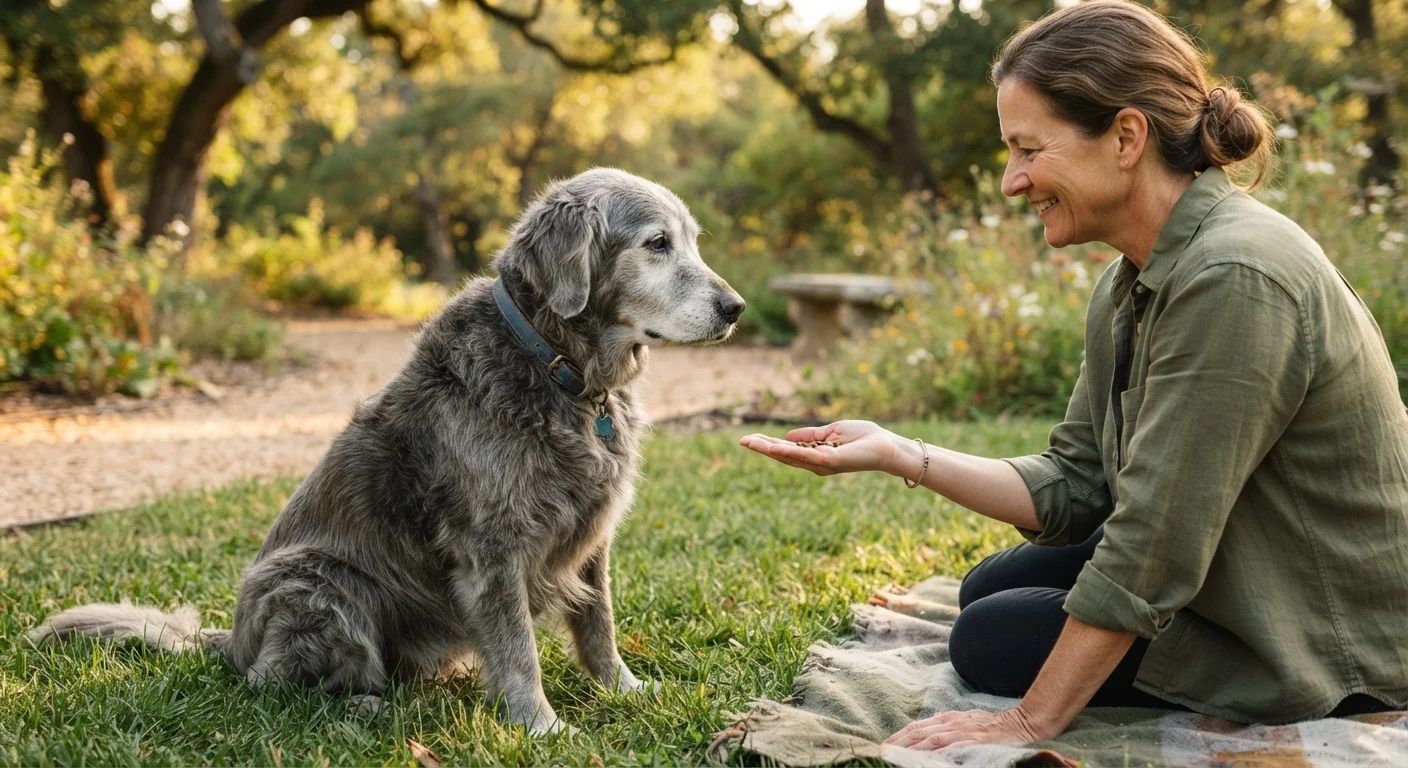
Photo: BridgeWish.com | Reliable Source Of Information editorial
Key Takeaways
- Older dogs can absolutely learn new behaviors — the phrase 'you can't teach an old dog new tricks' is a myth.
- Adult and senior dogs often have better focus than puppies, making short sessions highly effective.
- Physical and sensory changes may require adjustments to your training methods and environment.
- Positive reinforcement remains the most humane and effective approach at any age.
- A veterinary check-up before starting a new training program helps rule out pain or health barriers.
Why Age Doesn't Mean It's Too Late
The idea that older dogs can't learn is one of the most persistent myths in pet ownership — and one of the most discouraging. In reality, adult and senior dogs retain the ability to acquire new behaviors throughout their lives. What changes isn't their capacity to learn; it's the context in which learning works best.
Older dogs often bring real advantages to training. They tend to be less impulsive than puppies, have a longer attention span, and already understand household routines. If your dog is struggling with a behavior issue or you're introducing new commands, age alone isn't the barrier. The approach, however, may need thoughtful adjustment. See our guide to caring for a senior pet for a broader look at how aging affects your dog's daily needs.
What you will need
What You'll Need Before You Begin
A few simple tools and a little preparation go a long way toward setting up productive sessions with an older dog.
High-value treats
Motivates the dog during positive reinforcement sessions — soft, small pieces work best for older dogs with dental sensitivities.
Clicker or marker word
Marks the exact moment of correct behavior, making communication precise and consistent.
Non-slip mat or cushioned surface
Provides comfortable footing for older dogs with joint stiffness during stationary exercises.
Treat pouch or pocket bag
Keeps rewards accessible so you can reinforce behaviors immediately without interrupting the session.
Step-by-Step: Training an Older Dog Effectively
Follow these steps to build a training routine that respects your dog's age, physical condition, and learning history. For additional structure, our guide to building a training routine covers how to make sessions consistent over time.
Get a veterinary check-up first
Before introducing or intensifying any training, schedule a vet visit. Undiagnosed arthritis, dental pain, or early cognitive decline can all look like stubbornness or disinterest. Knowing your dog's physical baseline helps you adapt the right way from the start.
Keep sessions short and frequent
Aim for two to three sessions per day, each lasting just five to ten minutes. Older dogs can fatigue more quickly — mentally and physically — than younger ones. Ending on a successful, easy note keeps motivation high and avoids frustration.
Rely exclusively on positive reinforcement
Reward-based training — using treats, praise, or play to mark desired behaviors — is the most effective and humane approach for dogs of any age. For older dogs especially, aversive techniques (such as leash corrections or punishment) carry real risks: they erode trust, can worsen anxiety, and may cause physical harm in dogs with joint or neck sensitivities.
Adapt cues to sensory changes
If your dog's hearing has declined, pair verbal cues with clear hand signals — or transition to hand signals entirely. For dogs with reduced vision, consistent verbal tones and gentle touch cues become more important. The guide to teaching the 'stay' command demonstrates how to build cues gradually, a method that translates well for dogs adapting to sensory changes.
Lower physical demands where needed
Commands that require sitting, lying down, or jumping may be uncomfortable for dogs with arthritis or hip stiffness. Work with your vet to identify which positions are pain-free, and modify or substitute exercises accordingly. A dog who can't sit comfortably can still learn valuable behaviors like 'leave it,' loose-leash walking, or name recognition.
Be patient with unlearning old habits
Behaviors your dog has practiced for years are deeply reinforced. Replacing them takes time — often significantly more repetition than teaching a new behavior to a young dog. Consistency matters more than intensity. Keep expectations realistic, track small wins, and avoid comparing your dog's pace to that of a younger animal.
Mental Stimulation Matters for Older Dogs
Common Challenges and How to Navigate Them
Training an older dog isn't without its hurdles. Here are a few situations owners commonly encounter:
- Ingrained habits: Long-established behaviors take more repetition to shift, but patient, consistent reinforcement works. Don't expect overnight change.
- Hearing or vision loss: If your dog is losing hearing, transition to hand signals. If vision is declining, use verbal cues paired with gentle touch. Always confirm sensory changes with your vet.
- Fatigue or joint discomfort: A dog who seems disinterested may actually be in pain. Our article on senior pet health needs explains how to recognize age-related physical changes proactively.
- Medication effects: Some medications affect alertness or appetite, both of which can influence training responsiveness. Discuss this with your veterinarian if you notice changes.
Don't Mistake Pain for Stubbornness
If you're weighing different training formats, comparing group classes to private sessions can help you decide which environment suits an older dog best.
The content on this site is for informational purposes only and is not a substitute for professional advice. Always consult a qualified professional for guidance specific to your situation.