
Spay and Neuter: Separating the Science from the Myths

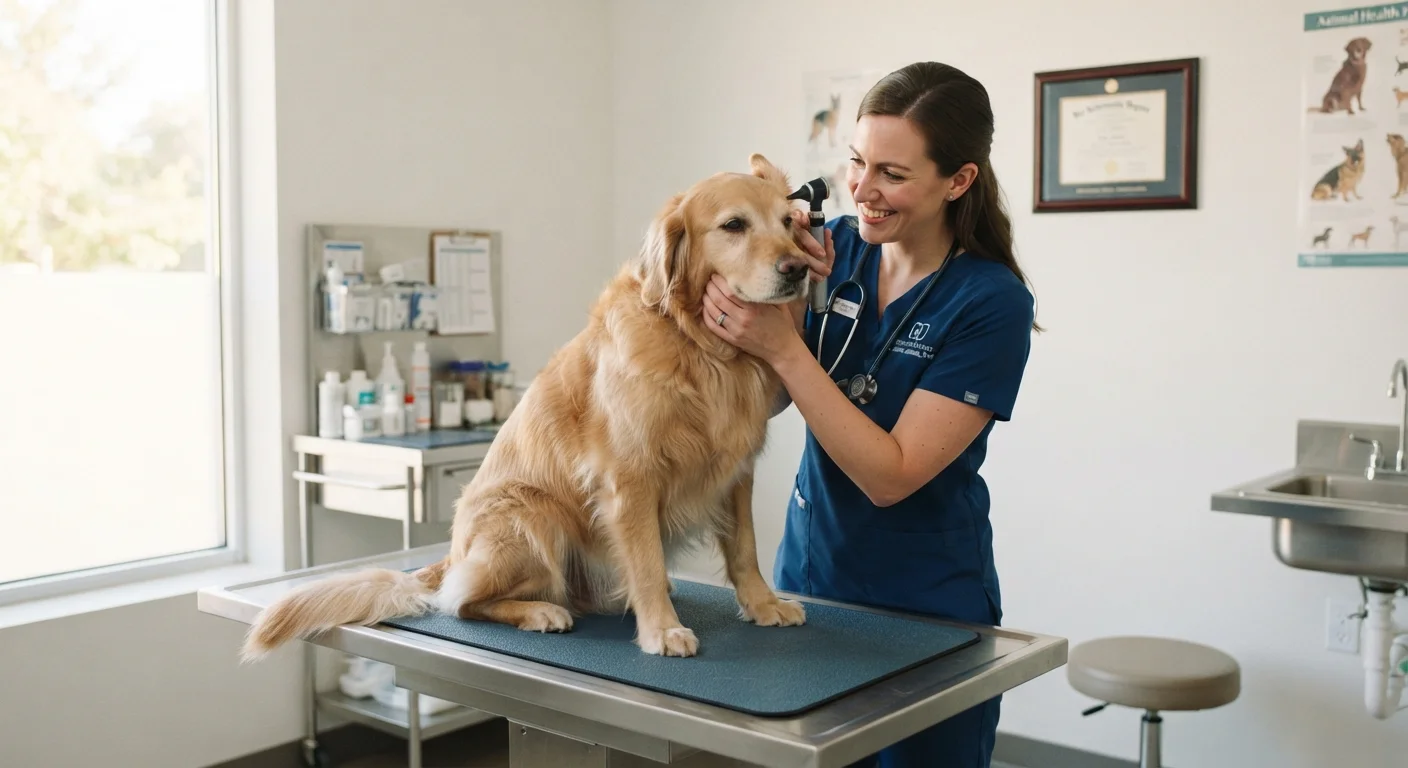
Photo: BridgeWish.com | Reliable Source Of Information editorial
Key Takeaways
- Spaying and neutering does not automatically cause obesity — diet and exercise are the primary factors.
- The optimal timing for these procedures may vary by breed, size, and individual health factors.
- Neutering does not reliably eliminate all aggressive behaviors, which often have complex causes.
- Current veterinary evidence supports significant health benefits, including reduced cancer risks for many pets.
- Always discuss your pet's specific situation with a licensed veterinarian before making surgical decisions.
Why These Myths Keep Circulating
Few veterinary topics generate as much online debate as spaying and neutering. Well-meaning forums, outdated advice passed down through families, and a growing wave of contrarian pet-care content have kept a number of inaccurate claims alive long after the science moved on. The result: owners arrive at veterinary appointments genuinely confused — or worse, delay important decisions based on misinformation.
The myths around these procedures aren't random. Many started from a kernel of truth that was then overgeneralized, or from early research that has since been updated. Others reflect emotional intuitions about animals that feel right but don't map onto documented animal physiology. Understanding where the misconceptions come from makes them easier to evaluate critically.
For a broader look at how behavioral myths similarly persist in pet ownership culture, see common pet behavior myths that animal behaviorists frequently correct.
Myth
Spaying or neutering will automatically make my pet overweight.
Fact
Hormonal changes after these procedures can slightly reduce metabolic rate, but weight gain is primarily driven by overfeeding and insufficient exercise.
After spay or neuter surgery, some pets may experience a modest decrease in resting metabolism due to hormonal shifts. However, veterinary nutritionists consistently emphasize that body weight is largely controlled by caloric intake and physical activity, not surgery alone. Studies show that owners who adjust portion sizes and maintain regular exercise after the procedure keep their pets at healthy weights without difficulty. If your vet recommends post-procedure dietary adjustments, that's the time to revisit feeding portions — not a reason to avoid the surgery altogether.
Myth
Neutering will fix all aggressive behavior in male dogs.
Fact
Neutering can reduce hormonally driven behaviors in some dogs, but aggression is complex and often requires behavioral assessment and training.
Testosterone does play a role in certain types of reactive or territorial behavior, and neutering may reduce some of those tendencies — particularly roaming, mounting, and urine marking. However, aggression in dogs is influenced by genetics, early socialization, learned behavior, fear, and environment. A dog that has developed habitual or fear-based aggression is unlikely to change through surgery alone. For behavioral concerns, a consultation with a veterinary behaviorist or certified applied animal behaviorist is far more effective than assuming surgery will resolve the issue. See how dominance theory myths have shaped dog training misconceptions for related context on behavioral science.
Myth
Females should have at least one litter before being spayed.
Fact
There is no scientific evidence that having a litter provides physical or psychological benefits to a female dog or cat.
This is one of the most persistent myths in pet ownership, and veterinary consensus does not support it. Allowing a female to have a litter before spaying does not reduce her cancer risk, improve her temperament, or benefit her long-term wellbeing. In fact, spaying before the first heat cycle is associated with a significantly reduced risk of mammary (breast) tumors in dogs. Pregnancy and whelping also carry their own health risks. The belief likely stems from anthropomorphism — projecting human emotional needs onto animals — rather than any documented animal health data.
Myth
Spay and neuter procedures are purely about population control — they don't affect health.
Fact
Beyond reducing unwanted litters, these procedures are associated with meaningful health benefits, including reduced risks of certain cancers and infections.
Spaying eliminates the risk of uterine infections (pyometra), a potentially life-threatening condition common in intact females. It also substantially reduces the risk of mammary tumors when performed early. Neutering in males eliminates testicular cancer and reduces the risk of certain prostate conditions. These are not trivial benefits — pyometra, for example, is a surgical emergency that carries real mortality risk. While the health picture is nuanced (and evolving research continues to refine timing recommendations for specific breeds), describing these procedures as purely population management significantly understates their clinical value.
Myth
You should wait until your pet is fully grown before spaying or neutering.
Fact
Optimal timing is breed- and size-dependent; a blanket rule about waiting until full growth is not supported by current veterinary evidence for all pets.
Recommendations on surgical timing have become more nuanced in recent years. For cats and small-breed dogs, early spay or neuter (sometimes before six months) remains well-supported. For large and giant breeds, some research has explored associations between early gonadectomy and orthopedic development, prompting many vets to recommend waiting slightly longer. This is not a reason to indefinitely postpone the procedure — it's a reason to have a specific conversation with your veterinarian about your individual pet's breed, size, and health profile. Blanket rules in either direction can lead to decisions that aren't right for a specific animal.
What the Current Evidence Actually Supports
Veterinary medicine's understanding of spay and neuter outcomes has grown considerably more nuanced over the past decade. The core benefits — particularly for disease prevention — remain well-supported. What has evolved is the recognition that timing recommendations should be individualized, particularly for larger breeds where hormonal development intersects with musculoskeletal growth.
Timing Decisions Should Be Individualized
The key takeaway from current evidence is not that these procedures are harmful or should be avoided. It's that the conversation between owner and veterinarian matters more than any one-size-fits-all rule. Factors like breed, size, lifestyle, and household environment all feed into the timing and approach that serves a specific pet best.
~90%
Reduction in mammary tumor risk
Veterinary studies suggest spaying before a dog's first heat cycle is associated with approximately a 0.5% risk of mammary tumors, compared to roughly 26% in intact females.
1 in 4
Intact female dogs affected by pyometra
Research estimates that approximately 25% of intact female dogs will develop pyometra — a serious uterine infection — by age 10, according to veterinary clinical literature.
If you're working through other evidence-based decisions for your pet, the same critical-thinking approach applies to nutrition. Our article on pet nutrition myths that veterinarians frequently correct explores similar terrain.
This Is Not Veterinary Advice
This article is for general informational purposes only and does not constitute veterinary advice. Please consult a licensed veterinarian to discuss decisions specific to your pet's health, breed, and circumstances.
The content on this site is for informational purposes only and is not a substitute for professional advice. Always consult a qualified professional for guidance specific to your situation.