
Destination Research From Start to Finish: Entry Rules, Climate, Culture, and Lodging

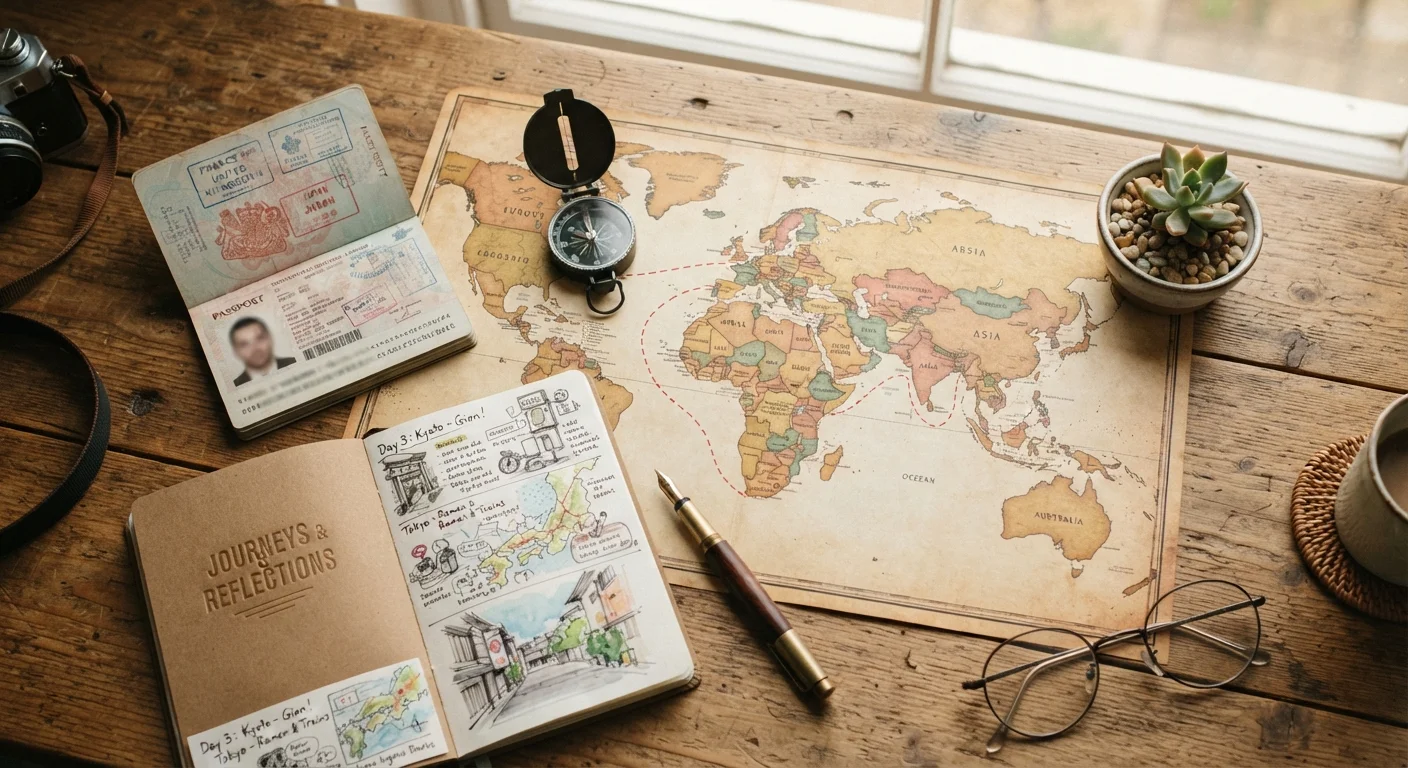
Photo: BridgeWish.com | Reliable Source Of Information editorial
Key Takeaways
- Always verify entry requirements—visas, passports, vaccinations—through official government sources before booking.
- Climate research goes beyond average temperatures; consider humidity, rainfall, and shoulder seasons.
- Understanding local customs and cultural norms helps travelers show respect and avoid awkward missteps.
- Lodging type, location within a destination, and cancellation policies all significantly affect trip quality.
- Build your research in layers: entry rules first, then climate, then culture, then accommodation.
Start With Entry Requirements—Not Inspiration
It's tempting to begin destination research with dreamy photos and highlight reels, but the most practical starting point is entry requirements. Discovering late that you need a visa that takes six weeks to process—or that your passport must be valid for six months beyond your travel dates—can derail even the most carefully planned trip.
For US travelers, the first authoritative stop is travel.state.gov, the US Department of State's official travel portal. It lists visa requirements, country-specific entry rules, and real-time travel advisories. The CDC's destination pages are equally important for health entry requirements, including recommended and required vaccinations.
Verify Entry Rules Through Official Sources Only
Key questions to answer for every destination:
- Passport validity: Many countries require 3–6 months of validity beyond your departure date.
- Visa type and lead time: Some visas are issued on arrival; others require weeks of advance application.
- Health documentation: Certain countries require proof of vaccination or health certificates at the border.
- Travel advisories: The State Department uses a tiered system (Level 1–4) to communicate safety conditions.
If you haven't settled on a destination yet, our guide on choosing a travel destination from scratch walks through practical criteria before entry rules even come into play.
Reading the Climate: Picking Your Weather Window
Weather can make or break a trip, but "good weather" means different things depending on what you plan to do. A hiker wants clear skies and cool temps; a beach traveler wants heat without hurricane risk. Understanding a destination's climate patterns—not just a single average temperature—is what separates a comfortable trip from a miserable one.
41%
Travelers who didn't research entry requirements in advance
A survey by the US Travel Association found a significant share of travelers encountered unexpected entry or documentation issues that could have been avoided with pre-trip research.
3–6 months
Passport validity required beyond travel dates
Many countries require a passport to remain valid for 3 to 6 months after the planned departure date, a requirement frequently overlooked by US travelers.
Shoulder season
Often the optimal travel window for value and conditions
Travel industry data consistently shows shoulder seasons—weeks just before or after peak—offer a favorable balance of manageable weather, lower accommodation demand, and reduced crowds.
Research these climate factors for your target dates:
- Rainy vs. dry season: Tropical destinations often split sharply between these. Traveling at the edge of the dry season can mean lower prices with manageable rain.
- Humidity levels: High temperatures feel very different at 40% versus 90% humidity. Southeast Asia and the Caribbean are classic examples where humidity matters as much as the thermometer.
- Shoulder seasons: The weeks just before or after peak season often offer favorable conditions with fewer crowds and more accommodation flexibility.
- Extreme weather risk: Hurricane season (typically June–November in the Atlantic), monsoon cycles, and wildfire seasons are worth factoring into timing.
Government meteorological agencies and established weather databases provide historical climate data by month for most destinations. Use these alongside tourism board guidance—but treat any "best time to visit" claim as a starting point, not a guarantee. Conditions vary year to year.
Use Historical Climate Data, Not Just Forecasts
Cultural Context: What Every Visitor Should Know
Arriving culturally informed isn't just courteous—it genuinely improves the travel experience. Knowing in advance whether a destination has conservative dress norms, tipping customs, religious observance days, or rules around photography helps travelers navigate confidently and respectfully.
Download the State Department's STEP (Smart Traveler Enrollment Program) app and enroll before any international trip—it pushes real-time safety alerts directly to your phone and helps the nearest embassy locate you in an emergency.
When researching local laws, pay specific attention to medication rules—some common US prescriptions (including certain ADHD medications and painkillers) are controlled or outright banned in other countries. Carry a letter from your prescribing physician and check destination-specific rules before packing.
Focus your cultural research on these practical areas:
- Dress codes
- Some religious sites require covered shoulders and knees regardless of the heat. Packing a lightweight scarf or wrap resolves this cheaply and easily.
- Tipping norms
- In some countries, tipping is customary and expected; in others, it can be considered rude or unnecessary. Research specific norms rather than applying the US standard everywhere.
- Greeting customs
- Handshakes, bows, cheek kisses, and verbal greetings all vary by culture. Even a basic awareness shows respect.
- Photography rules
- Always ask before photographing people, and pay attention to signage at sacred or government sites where cameras may be restricted.
- Local laws
- What's legal at home may not be abroad. Research local rules around alcohol, medications you're carrying, social behavior, and LGBTQ+ rights if relevant to your situation.
For deeper cultural groundwork, pair official sources with firsthand accounts from recent travelers. The goal isn't to over-prepare but to avoid the most common, easily avoidable missteps. Our guide on researching a destination from zero offers a layered sourcing approach for exactly this kind of background work.
Finding Lodging That Actually Fits Your Trip
Accommodation research deserves as much rigor as destination research. The right stay depends on your travel style, budget range, trip purpose, and—critically—where within a destination you want to be. A hotel in the tourist district may mean convenience but noise; a guesthouse in a residential neighborhood may offer calm but require extra transit time.
“Where you sleep shapes how you travel. A well-chosen base gives you energy and safety margin; a poorly chosen one costs you hours and comfort every single day.”
— Pauline Frommer, Travel writer and editorial director, Frommer's travel guides
Evaluate lodging candidates on these dimensions:
- Location within the destination: Use maps to assess proximity to your planned activities, public transit, and the airport or train station on arrival and departure days.
- Accommodation type: Hotels, guesthouses, vacation rentals, hostels, and boutique inns each offer different tradeoffs around privacy, amenities, and social atmosphere.
- Cancellation policy: Flexible cancellation is especially valuable when plans are subject to change—visa delays, weather, or personal circumstances.
- Accessibility needs: If mobility, dietary, or sensory accommodations matter, verify specifics directly with the property rather than relying solely on listed features.
- Guest reviews: Look for patterns in recent reviews rather than individual outliers. Consistent mentions of noise, cleanliness, or staff responsiveness carry more signal than a single five-star write-up.
For first-time international travelers unsure how to weigh these factors, our first-time international traveler's orientation breaks down the decision-making process at a beginner-friendly pace.
Pulling It All Together Into a Research Plan
Destination research works best when it's sequential rather than scattershot. Each layer of information builds on the last: knowing your entry requirements shapes your timeline, your climate window narrows your travel dates, cultural context informs what to pack and how to behave, and all of that frames which lodging options make sense.
A practical research sequence looks like this:
- Check entry requirements and advisory levels via official government sources.
- Research climate by month for your target dates; identify your optimal travel window.
- Study cultural context—customs, laws, dress norms—using tourism boards, recent travel accounts, and reputable guidebooks.
- Research lodging by location, type, and policy; read recent reviews carefully.
- Revisit your destination checklist questions to confirm the choice still fits your goals and constraints.
This process isn't about eliminating spontaneity—it's about protecting it. Travelers who've handled logistics in advance are free to actually enjoy the unexpected moments that make a trip memorable. Once you've locked in your destination and stay, the Packing & Gear hub is a natural next step to get your bags ready without overpacking.
Conditions Change — Recheck Before You Fly
Travel conditions—entry rules, safety advisories, transportation links—can change rapidly. Always verify current requirements through official government and destination sources close to your departure date, not just at the time of initial planning.
The content on this site is for informational purposes only and is not a substitute for professional advice. Always consult a qualified professional for guidance specific to your situation.