
The First-Time International Traveler's Orientation to Destinations and Stays

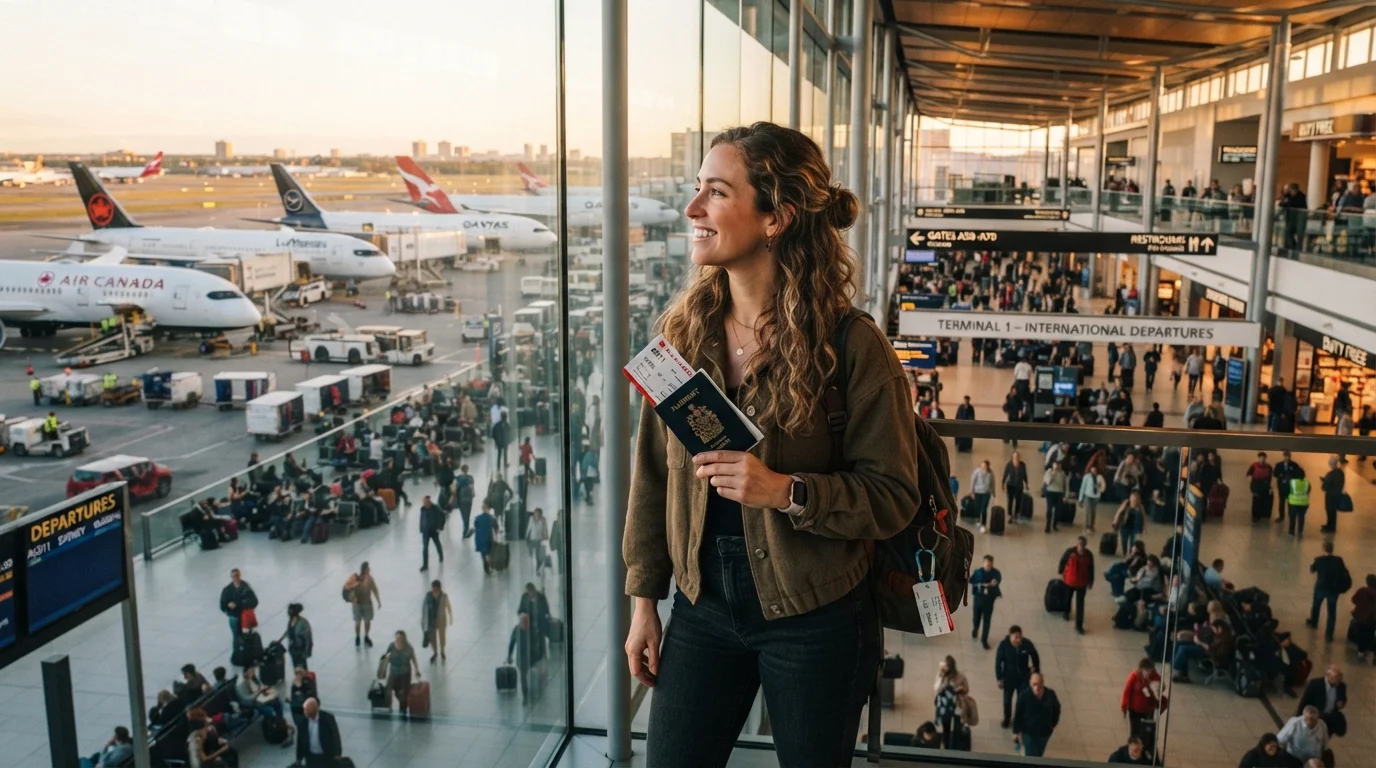
Photo: BridgeWish.com | Reliable Source Of Information editorial
Key Takeaways
- Matching a destination to your travel style and comfort level matters more than choosing the most popular place.
- Entry requirements — passports, visas, and health documentation — must be verified through official government sources before booking.
- Accommodation type shapes the entire feel of your trip; first-timers benefit from understanding the trade-offs of each option.
- Thorough pre-trip research using reliable sources helps you avoid costly surprises abroad.
How to Start Thinking About Where to Go
For first-time international travelers, the destination question can feel paralyzing — the world is genuinely enormous. The good news: there's no objectively right answer, only the right answer for you. The most useful starting move is to turn the lens inward before browsing flight deals.
Ask yourself what kind of experience you're actually after. Are you drawn to dense cities with walkable neighborhoods and world-class food scenes? Quieter coastal or rural areas? Destinations with deep historical significance? Your honest answer shapes everything that follows. See our structured guide to narrowing your destination choices for a useful framework.
A few practical filters worth applying early:
- Language comfort: How much does navigating a non-English-speaking environment factor into your anxiety or excitement?
- Flight duration and layovers: A 14-hour journey is a very different start to a trip than a 5-hour one, especially for a first international experience.
- Time of year: Climate and local seasons dramatically affect what you'll encounter on the ground.
- Travel party: Solo trips, couples, and families each call for different destination traits. If you're traveling with children, destination choice shifts significantly compared to adult-only travel.
Travel advisory
An official government assessment of conditions in a foreign country, typically rated by level of caution. The US Department of State publishes these for every country.
Visa
An official permit that allows you to enter, stay in, or transit through a foreign country for a specified period and purpose. Requirements vary by destination and nationality.
Passport validity
The period during which your passport is legally recognized as valid. Many countries require six months of validity beyond your travel dates, not just the date you arrive.
Travel medicine
A branch of healthcare focused on preventing and managing health risks associated with international travel, including vaccinations and destination-specific health advice.
Cancellation policy
The terms under which you can cancel or modify a booking without penalty. These vary widely between accommodation types and should be read carefully before confirming any reservation.
Entry Requirements: What You Need Before You Land
Entry requirements are the unglamorous but non-negotiable side of international travel planning. Getting them wrong can mean being turned away at the border — so this is the area where cutting corners costs the most.
The basics every US traveler should verify:
- Passport validity
- Many countries require your passport to be valid for at least six months beyond your planned departure date — not just your arrival date. Check your passport's expiration date early in the planning process.
- Visa requirements
- Some destinations allow US citizens to enter visa-free for short stays; others require advance applications or fees paid upon arrival. Requirements change, so always verify through the destination country's official embassy or consulate — not third-party travel sites.
- Health documentation
- Some destinations require proof of specific vaccinations or other health documentation. Requirements vary and can shift; confirm through official government sources and consult a travel medicine professional well before departure.
Verify Entry Requirements Through Official Sources Only
For a comprehensive look at what to sort out before you click purchase on any flight, see what seasoned travelers wish they'd handled first.
Choosing Accommodation That Fits Your Comfort Level
Where you stay shapes how a destination feels. First-time international travelers often underestimate how much accommodation choice affects the overall experience — and how easy it is to make avoidable booking mistakes abroad.
The main accommodation categories worth understanding:
- Hotels: The most predictable option. Front-desk support, standardized amenities, and established cancellation policies make hotels reassuring for first trips. Location relative to transit and attractions matters enormously — a hotel in an inconvenient area adds cost and friction.
- Guesthouses and B&Bs: Smaller, often family-run properties that can offer a warmer, more local atmosphere. Standards vary more widely than branded hotels, so recent guest reviews are essential.
- Hostels: Budget-friendly and social by design, with private room options available at many properties. A strong choice if meeting other travelers appeals to you.
- Vacation rentals: Apartment-style stays that work well for longer trips or travelers who want a home base feel. Read cancellation policies carefully — they often differ significantly from hotel norms.
Read Recent Reviews, Not Just Star Ratings
For a deeper look at the mistakes first-timers commonly make when booking international stays, this guide covers the hard-learned lessons worth knowing before you confirm a reservation.
Practical Research Steps Before You Book
Good destination research is layered — it draws from multiple reliable sources rather than any single review platform or travel blog. Here's a practical sequence for building a trustworthy picture of any destination:
- Check the US State Department travel advisory for your destination. This gives you an official, tiered assessment of conditions on the ground.
- Visit the destination country's official tourism board for entry rules, seasonal highlights, and regional specifics.
- Read recent traveler accounts on independent forums and review platforms, paying attention to recency — a review from three years ago may not reflect current conditions.
- Research local customs and etiquette. Being respectful of local norms isn't just courteous; it often makes the trip more enjoyable and avoids unintentional friction.
- Confirm accommodation location on a map before booking. Proximity to transit, neighborhood character, and distance to key sites all affect daily experience more than room photos do.
If you're starting from scratch on a destination you know little about, this layered research approach walks through how to build a coherent picture from reliable sources. And once your destination is sorted, building a packing system is the logical next step before departure. For a full walkthrough covering visas, climate, culture, and lodging together, see destination research from start to finish.
US Department of State Travel Advisories
The official source for country-by-country travel safety assessments from the US government. Essential first stop when evaluating any international destination.
CDC Travelers' Health
Provides destination-specific health information including recommended vaccinations and disease risk guidance. Useful for planning conversations with a travel medicine professional.
Official Country Tourism Boards
Each country's official tourism authority publishes entry requirements, regional highlights, and seasonal travel information — a more reliable source than general travel blogs.
Frequently Asked Questions
The content on this site is for informational purposes only and is not a substitute for professional advice. Always consult a qualified professional for guidance specific to your situation.