
Traveling With Kids: How Destination Choice Shifts Everything

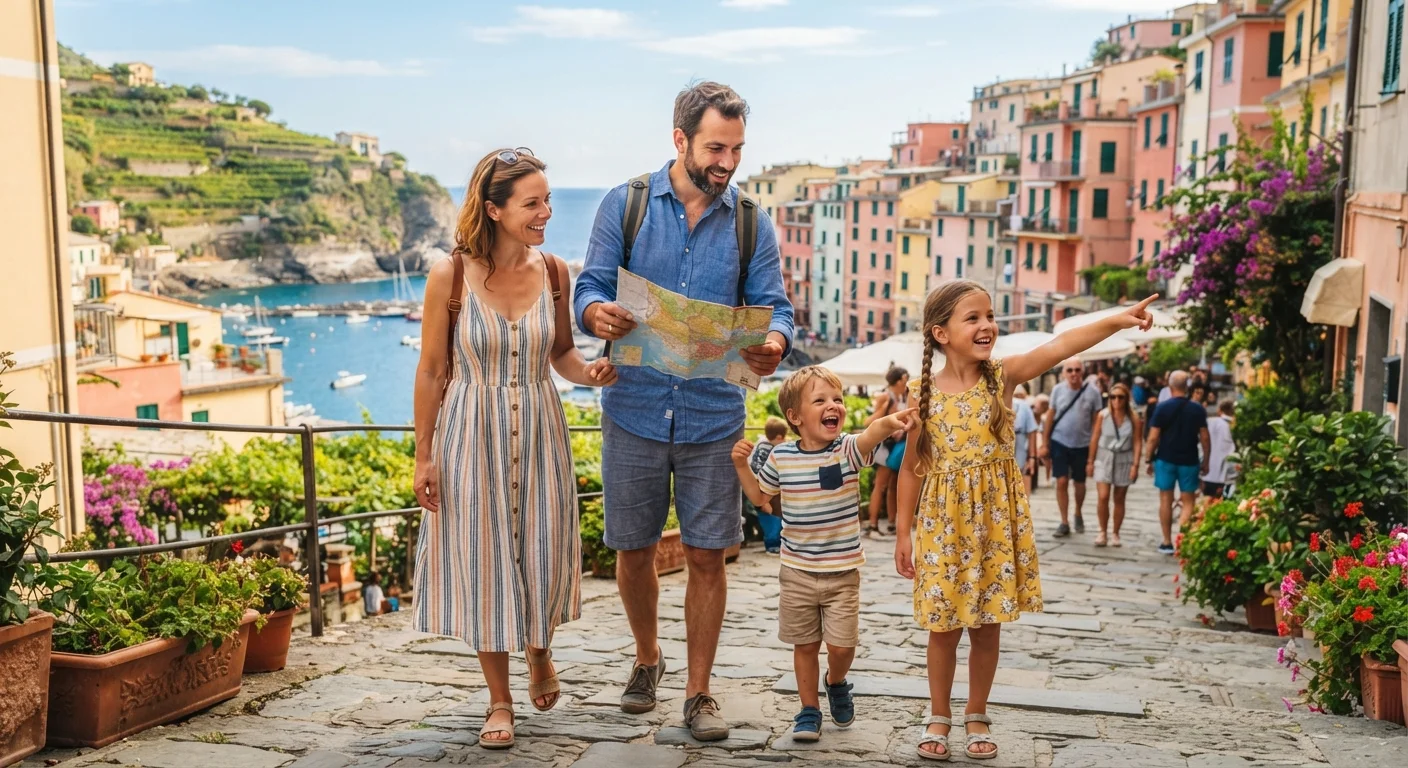
Photo: BridgeWish.com | Reliable Source Of Information editorial
Key Takeaways
- Kids thrive when destinations match their age, energy level, and attention span — not just adult interests.
- Accommodation type can make or break a family trip; space, kitchen access, and location proximity matter most.
- Travel pace and built-in downtime are as important as the destination itself for families with children.
- Safety infrastructure and healthcare access should factor into every family destination decision.
- Shorter travel times and familiar comforts tend to reduce stress for younger children significantly.
Why Family Travel Needs a Different Starting Point
Choosing a destination as a solo traveler or couple is already complex enough — but when kids are in the picture, the entire framework shifts. What looks like a dreamy getaway on paper can quickly unravel if it doesn't account for nap schedules, food preferences, or the reality of hauling a stroller through cobblestone streets.
The good news? Family travel doesn't have to be stressful. It just requires a different lens from the very first planning step. If you're still figuring out where to even begin, our guide on choosing a travel destination from scratch walks through the core criteria — and most of them apply equally to family trips, with a few important additions.
The biggest shift is this: destinations should be evaluated not just by what excites adults, but by how livable and manageable they'll feel with children in tow. That's a meaningful distinction that changes everything from where you stay to how you structure your days.
Key Practices for Choosing a Kid-Friendly Destination
The practices below aren't about limiting your options — they're about making smarter choices that keep the whole family energized and happy throughout the trip.
Filter destinations by travel time before anything else.
Match destination type to your children's current age and energy level.
Prioritize destinations with strong pedestrian infrastructure.
Build recovery time into the destination selection itself.
Verify safety and emergency infrastructure before committing.
Accommodation Is Half the Battle
Where you stay shapes the daily rhythm of a family trip more than almost any other factor. A hotel room that works beautifully for two adults can feel cramped and chaotic with two kids. Look for accommodation that offers: separate sleeping areas or rooms, access to a kitchen or kitchenette (a game-changer for picky eaters or early breakfasts), on-site laundry, and outdoor or common spaces where kids can decompress.
Look for Accommodations With a 'Base Camp' Feel
Proximity matters enormously too. Staying near the core attractions you've planned for means fewer transit meltdowns and more flexibility to pop back for a rest mid-day — something parents of toddlers and young kids will recognize as invaluable. For a broader look at how destination type affects your experience, see our guide on matching destination types to your travel goals.
Quick Wins to Get Your Planning Started
Before you go deep on logistics, a few fast moves early in the process can save you significant stress later. The full planning shift that comes with family travel is worth understanding in detail — our companion piece on how the planning process shifts with kids covers documentation, pacing, and itinerary structure specifically for families.
For gear and packing considerations once your destination is set, the Packing & Gear hub is a reliable next stop.
What Parents Often Overlook
Even experienced travelers can miss a few things when children enter the equation for the first time. Here are the most common blind spots:
- Healthcare access: Know where the nearest clinic or hospital is relative to your accommodation. This is especially relevant for international travel — always verify current entry and health requirements through official government sources before you go.
- Food environment: Some destinations offer extraordinary variety for adventurous palates; others may have more limited options for selective eaters. Research this honestly rather than hoping for the best.
- Crowd levels and timing: Popular tourist sites can feel overwhelming with kids. Visiting during shoulder season or at off-peak hours can dramatically change the experience.
Entry Requirements and Safety Conditions Change
For families considering their first international adventure with children, our first-time international traveler's orientation covers entry requirements and accommodation considerations at a foundational level.
The content on this site is for informational purposes only and is not a substitute for professional advice. Always consult a qualified professional for guidance specific to your situation.