
Traveling With Kids: How the Planning Process Shifts

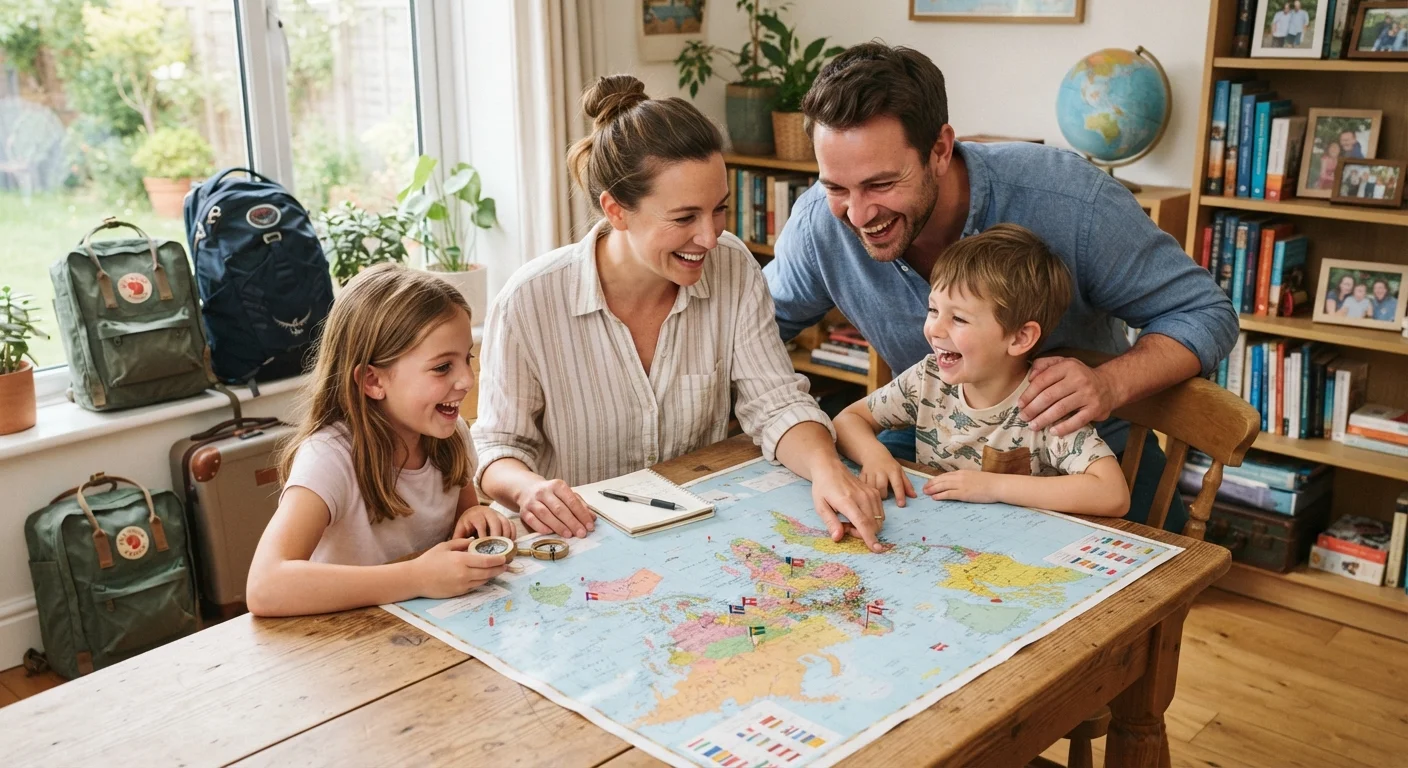
Photo: BridgeWish.com | Reliable Source Of Information editorial
Key Takeaways
- Itineraries for families need built-in buffer time and shorter daily activity windows.
- Children under 18 traveling internationally may require consent documentation from non-traveling parents.
- Accommodation choices matter more with kids — proximity, space, and amenities shift the decision.
- Packing logic changes entirely when children are involved, especially for younger ages.
- Health and safety prep takes on greater urgency and detail when traveling with minors.
Why Family Travel Demands a Different Planning Framework
Traveling with children isn't just a logistical expansion of adult travel — it's a fundamentally different mode. The margin for error shrinks, the variables multiply, and the experiences that make a trip memorable shift in ways that surprise even seasoned travelers. What works beautifully for a couple or a group of adults can unravel quickly when a three-year-old's nap schedule is at stake or a tween needs more than another cathedral tour.
The good news is that family travel, planned well, is one of the most rewarding things you can do together. The planning shift isn't about limiting your trip — it's about designing one that actually works. If you're also weighing where to go and what to consider before booking, our related article on how destination choice shifts for families is a strong companion read.
What you will need
Here's how to walk through the planning process with kids in mind, step by step.
Government travel advisory site (e.g., travel.state.gov for US travelers)
Verify entry requirements, travel advisories, and documentation rules for minors at your destination.
Shared family itinerary app or document
Keep all travel details — bookings, schedules, emergency contacts — accessible to both adults in the group.
Packing checklist specific to children's ages
Ensure age-appropriate essentials (medications, comfort items, snacks, gear) aren't overlooked.
Travel health kit
Carry pediatric-appropriate first aid supplies, any prescribed medications, and documentation of children's health needs.
Notarized parental consent letter (for applicable trips)
Required by some countries and airlines when a child travels without both parents or legal guardians.
Step-by-Step: Planning a Family Trip That Works
Recalibrate Your Itinerary Expectations
The single biggest shift in family travel planning is pace. What an adult couple comfortably covers in a day — three museum visits, a walking food tour, an evening show — is likely too much when children are involved. A realistic rule of thumb: plan for roughly half the activities you'd schedule for an adults-only trip, then add travel time buffers between each one.
Focus on choosing one or two anchor experiences per day and let the rest of the time breathe. Kids often find unexpected magic in the in-between moments — a fountain to splash in, a bakery window to press their faces against — that rigid itineraries don't allow for.
Handle Documentation for Minors Early
Passport processing for children often takes longer than for adults — applications require in-person appointments with both parents present in most cases, and children's passports expire sooner. Start this process as early as possible, ideally several months before travel.
If you are a single parent, divorced, or a non-parent guardian, research the consent letter requirements for your destination. Some countries have strict rules about minors entering without both legal guardians. Check requirements directly with the destination country's embassy or consulate and with your airline.
[important_callout]Choose Accommodations With Kids in Mind
A hotel room that works perfectly for two adults may feel cramped and impractical with a toddler and a school-age child. When evaluating accommodations, prioritize: sufficient sleeping space (many families opt for suites or vacation rentals), proximity to where you'll be spending your days, and practical amenities like a kitchenette, laundry access, or a pool for decompression time.
Location matters more with kids. Being a long transit ride from your main sights adds up fast in fatigue. For destination and accommodation guidance, explore our Destinations & Stays hub, which covers how to evaluate options for different trip types — and see our companion piece on how destination choice shifts for families.
Rethink Your Packing Strategy Entirely
Packing with children requires a different framework. Beyond clothing, you're likely managing comfort items, activity supplies, snacks for transit, pediatric medications, and gear specific to ages (stroller, carrier, car seat). Overpacking is a real risk — heavy bags with small children in tow creates logistical strain at every transition point.
The key is categorizing by function: health and safety essentials (non-negotiable), age-specific comfort items (selective), and clothing (leaner than you think, especially if laundry is accessible). Visit our Packing & Gear hub for strategies that help families travel lighter without leaving behind what matters.
Build a Health and Safety Plan Before You Go
Family travel raises the stakes on health prep. Before departure, consult your children's pediatrician about any destination-specific health considerations — particularly for international travel where vaccinations or medications may be relevant. Carry documentation of any chronic conditions, allergies, or medications your children require.
Know the location of medical facilities near your accommodations. Research whether your health insurance covers children abroad, and understand the basics of what travel insurance typically covers for minors. For how international planning differs more broadly, see how international trip planning actually changes.
[warning_callout]Build 'Reset Time' Into Every Day
Family travel planning is ultimately about building a trip with enough structure to feel secure and enough flexibility to feel like an adventure. Once you've internalized that shift, the process becomes less stressful — and a lot more fun. For additional planning depth, see what smart travelers do differently on longer trips.
This article provides general travel planning information. Always verify entry requirements, documentation rules, and health recommendations directly with official government sources, airlines, and qualified healthcare professionals before traveling.
The content on this site is for informational purposes only and is not a substitute for professional advice. Always consult a qualified professional for guidance specific to your situation.