
Your First International Trip: What to Figure Out Before You Book Anything

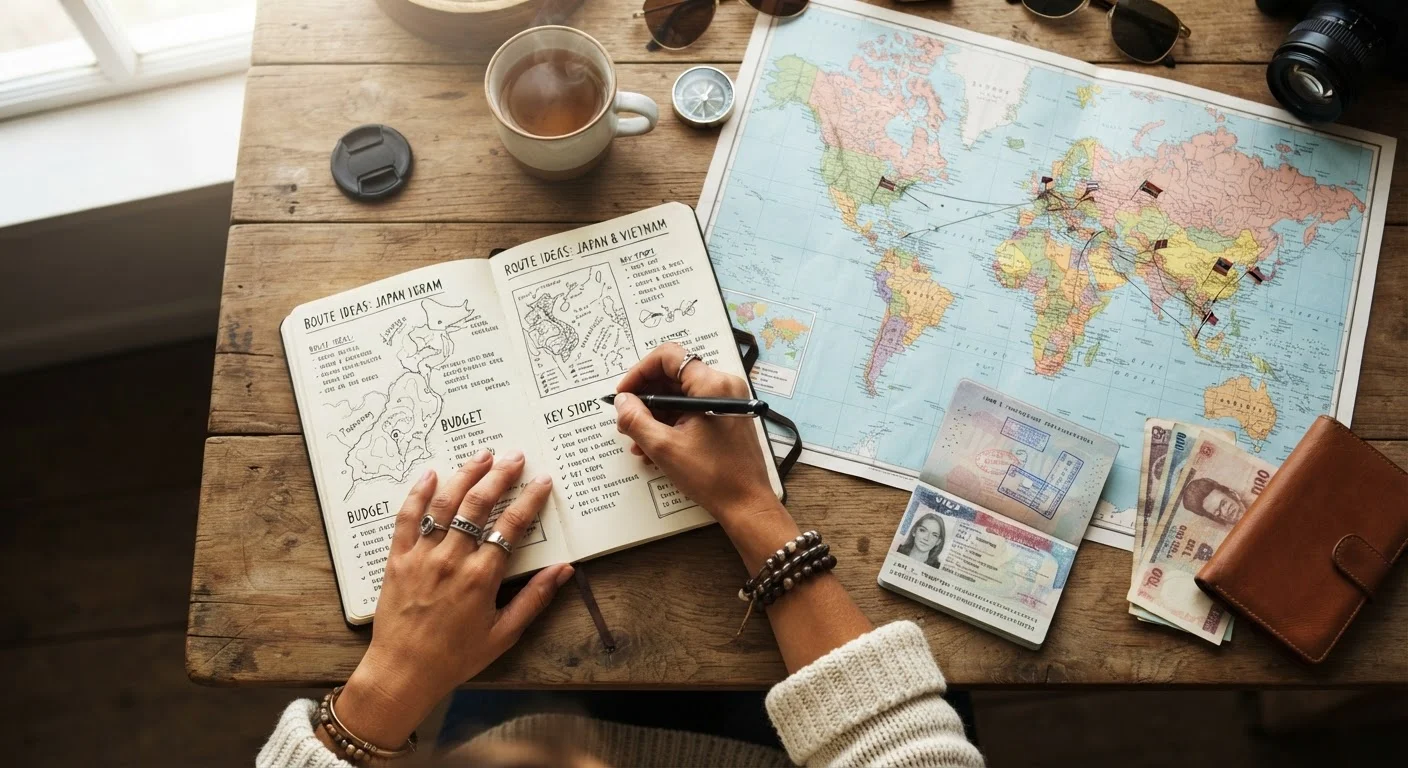
Photo: BridgeWish.com | Reliable Source Of Information editorial
Key Takeaways
- Check your passport validity and visa requirements at least three months before your intended travel date.
- Entry rules, health requirements, and travel advisories vary widely — always verify with official government sources.
- Building a full trip budget before booking prevents the most common first-timer financial surprises.
- Understanding your destination's culture, climate, and infrastructure shapes smarter, happier travel decisions.
- Booking flights and stays after doing your homework saves both money and last-minute stress.
Start With Your Documents
Before you search a single flight, open a drawer and find your passport. If you don't have one, that's job one — US passport processing can take several weeks under standard service, longer during peak periods. If you have one, check the expiration date carefully: many countries require your passport to be valid for at least six months beyond your planned return date.
Next comes the visa question. Entry requirements differ dramatically by destination. Some countries welcome US citizens with no advance paperwork; others require a visa application weeks or months ahead; still others have recently introduced electronic travel authorizations. The only reliable source for this information is the destination country's official embassy website or the US Department of State travel portal — not travel blogs or social media posts, which can quickly go out of date.
Passport validity requirement
Many countries require your passport to remain valid for a set period (often six months) beyond your planned departure date, not just for the duration of your stay.
Visa
An official authorization — issued by a destination country — that permits you to enter, stay, and travel within that country for a defined purpose and period.
Travel advisory
An official government assessment of safety conditions in a foreign country, rating the level of risk travelers may face and advising whether or how to travel there.
Travel insurance
A type of insurance policy that can cover costs related to trip cancellations, medical emergencies abroad, lost luggage, and other unexpected travel disruptions.
STEP (Smart Traveler Enrollment Program)
A free US government service that lets Americans register their international trips so that US embassies can contact them in an emergency and keep family informed.
Travel medicine clinic
A healthcare facility specializing in travel-related health needs, including destination-specific vaccinations, medications, and health advice for international travelers.
Know Your Destination Before You Fall in Love With It
It's easy to get swept up in beautiful destination photos before considering whether a place is the right fit for a first international trip. Spend real time understanding what your shortlisted destinations are actually like to navigate.
Ask yourself: What's the local language, and how widely is English spoken? What currency is used, and is cash or card more practical? What's the climate during your travel window — and does that match what you're hoping to experience? Is public transportation reliable, or will you need to factor in private transfers?
Cultural context matters too. Understanding basic local customs, dress codes (particularly for religious or historic sites), and etiquette helps you travel more respectfully and enjoyably. The first-time traveler's orientation to destinations and stays is a solid place to build that foundation.
Check Seasonal Conditions Early
Build a Realistic Budget
Sticker shock is real for first-time international travelers who budget only for flights and hotels. A complete trip budget should account for: visa and passport fees, airport transfers, daily meals, activities and entrance fees, local transportation, travel insurance, and a cushion for the unexpected.
Research the cost of living at your destination — a comfortable daily budget in one country might not stretch nearly as far in another. Currency exchange rates fluctuate, so build in some flexibility rather than calculating to the dollar.
On the flights side, timing your booking involves real trade-offs. The guide to booking flights early vs. waiting walks through what research and general patterns suggest about when to commit.
Don't Overlook Hidden Trip Costs
Health and Safety Essentials
Some destinations require or strongly recommend vaccinations before entry — and some vaccine courses need to begin weeks before departure. Check the CDC's destination-specific travel health pages and consult a healthcare provider or travel medicine clinic well in advance. Do not rely on general advice for this; requirements and recommendations are destination-specific.
Review whether your existing health insurance covers you internationally. Many domestic plans offer limited or no coverage abroad, which is a key reason many travelers consider dedicated travel insurance. Read any policy carefully to understand what it does and doesn't cover before purchasing.
Register your trip with the Smart Traveler Enrollment Program (STEP), a free service run by the US Department of State. It allows the nearest US embassy or consulate to reach you in an emergency and keeps your family informed if needed.
This article is for general informational purposes only. Always verify health, entry, and safety requirements with official government sources and consult qualified professionals for personal health decisions.
Then — and Only Then — Start Booking
With your documents in order, your destination researched, your budget mapped, and your health bases covered — now you're ready to book. This sequence matters. Travelers who reverse it often discover a visa complication, an off-season surprise, or a budget gap after they've already committed money.
When choosing accommodations, location within your destination city can be as important as the property itself. Staying in a walkable, well-connected neighborhood dramatically changes the experience. The common accommodation mistakes first-time international travelers make covers the booking errors that seem minor at home but cause real friction abroad.
For packing — which feels urgent but should come last — the packing and gear hub has you covered once your trip is confirmed. The first international trip is a milestone worth doing right. A bit of structured preparation now means you'll actually enjoy every moment once you're there.
US Department of State Travel Portal
The official source for US passport information, country-specific entry requirements, travel advisories, and the Smart Traveler Enrollment Program (STEP). Essential reading before any international trip.
CDC Travelers' Health Destination Pages
Destination-specific health information from the US Centers for Disease Control and Prevention, including recommended and required vaccinations and current health notices for international travelers.
Trip Budget Planner
An interactive tool to estimate total trip costs across flights, accommodation, meals, activities, and incidentals — helping you build a realistic budget before you commit to bookings.
Frequently Asked Questions
The content on this site is for informational purposes only and is not a substitute for professional advice. Always consult a qualified professional for guidance specific to your situation.