
Destinations & Stays

Things First-Time International Travelers Get Wrong About Accommodation

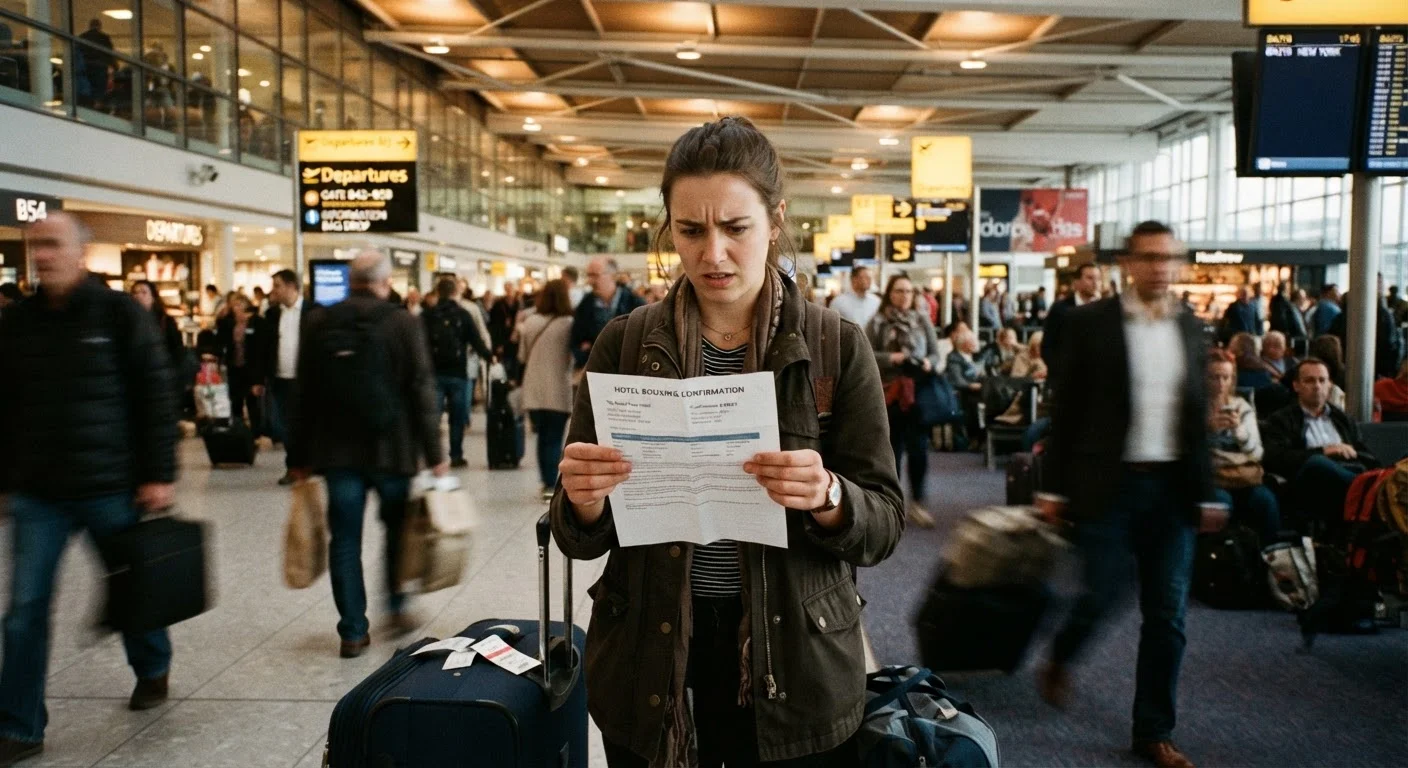
Things First-Time International Travelers Get Wrong About Accommodation

Photo: BridgeWish.com | Reliable Source Of Information editorial

Booking errors that seem minor at home can cause real problems abroad. Understand what experienced travelers learn the hard way.

Key Takeaways

  • Booking by price alone often means ending up far from the neighborhoods and attractions you actually want to explore.
  • Flexible cancellation policies matter far more internationally, where plans are harder and costlier to change last-minute.
  • Hidden fees — including city taxes and resort charges — routinely push international stays well above the advertised rate.
  • Check-in time differences and late-night arrivals are a common source of costly surprises first-timers overlook.
  • Local payment expectations and foreign transaction fees can disrupt even a well-planned accommodation budget.

Why International Accommodation Mistakes Hit Harder Than Domestic Ones

Booking a hotel two hours from downtown in your home country is annoying. Doing the same thing abroad — when you don't speak the language, don't know the transit system, and just landed after a nine-hour flight — is a genuinely exhausting problem. First-time international travelers often apply the same low-stakes logic they use domestically, and accommodation is where that habit bites hardest.

The good news: nearly every mistake in this category is avoidable. Most of them don't require experience — just knowing what to look for before you confirm. For a broader look at the planning decisions that trip up first-timers, see our first-time international traveler's orientation to destinations and stays.

1

Choosing a property based on price without researching its neighborhood or transit access.

Why it happens: Travelers sort by lowest rate and assume proximity to major landmarks is obvious from a map thumbnail. International city maps are unfamiliar, so distances and transit complexity are easy to misjudge.
How to avoid: Open the property's location in a separate mapping app and look up how long transit actually takes to your top priorities. Factor in whether you'll be navigating an unfamiliar metro system after a long flight, not just driving familiar roads.
2

Booking a non-refundable rate to save money, then facing an inflexible cancellation policy when plans shift.

Why it happens: The savings feel real and the trip feels certain at booking time. International trips have more variables — visa delays, flight disruptions, health issues — that make rigid policies far riskier than they seem.
How to avoid: Read the full cancellation policy before confirming, not after. For international trips, a modest rate premium for a flexible booking often makes financial and logistical sense, especially for the first few nights.
3

Ignoring mandatory fees not included in the advertised nightly rate.

Why it happens: Travelers expect the displayed price to be close to the final price — a reasonable assumption at home. Internationally, city tourism taxes, resort fees, and mandatory service charges can add 15–30% in some destinations.
How to avoid: Always look for a full price breakdown before confirming, and check whether local tourism taxes are shown separately. If the platform doesn't show a total including taxes and fees, ask the property directly before booking.
4

Not verifying check-in times and late-night arrival policies before landing.

Why it happens: Domestic hotels feel forgiving about check-in windows, and most travelers assume some flexibility is standard. Smaller international guesthouses, B&Bs, and apartment rentals often have strict windows or unstaffed reception after certain hours.
How to avoid: Email or message the property with your expected arrival time before you travel. For very late arrivals, confirm explicitly whether self-check-in or key handoff arrangements exist — and get the instructions in writing.
5

Assuming a credit card will work seamlessly for international property deposits or payments.

Why it happens: Credit cards work everywhere at home, so it's natural to assume the same abroad. Some smaller international properties require local payment methods, cash deposits, or charge foreign transaction fees that erode the savings from a discounted booking.
How to avoid: Check what payment methods the property accepts before arrival, and understand whether your card charges foreign transaction fees. Carrying a modest amount of local currency at check-in prevents the most common payment-related friction.
6

Dismissing accommodation types outside traditional hotels without understanding what they offer.

Why it happens: Hostels, guesthouses, and apartment rentals feel unfamiliar or carry outdated reputations. First-timers often default to hotel chains for perceived safety and consistency, missing options that might be better located or better value.
How to avoid: Research what each accommodation type actually provides in your specific destination — modern options in many cities have changed significantly. Our article on myths about staying in hostels is a useful starting point for rethinking assumptions.

The Booking Decisions That Cause the Most Trouble

Beyond the mistakes themselves, there's a pattern worth recognizing: most accommodation errors stem from treating the booking as a transaction rather than a decision. A room is not just a price and a star rating — it's a location, a set of policies, a payment arrangement, and a check-in experience, all of which behave differently in an unfamiliar country.

Non-Refundable Bookings Abroad Carry Real Risk

International trips are more vulnerable to disruption than domestic ones — visa issues, flight cancellations, and health concerns can all derail plans. Locking into a non-refundable rate to save a modest sum can cost far more if something changes. Always weigh the cancellation policy against the actual uncertainty of your trip before confirming. See our related piece on why travelers regret their accommodation bookings for more on how this plays out.

International accommodation costs also have a way of expanding quietly. City tourism taxes, mandatory breakfast charges, and resort fees don't always appear on booking summary pages. Our article on why your travel budget falls apart before you land covers exactly this territory — worth reading before you finalize any booking.

Finally, don't overlook the small logistical layer: what time does your property actually allow check-in? Is there a 24-hour front desk, or will you be locked out if your flight lands at midnight? These questions feel tedious to ask in advance, but they matter enormously once you're standing on a dark street with your luggage. Our roundup of trip planning details travelers overlook has a useful checklist for exactly these arrival-day scenarios.

When you're ready to build your full first international itinerary from scratch, our ground-up international trip planning guide walks through how accommodations fit into the bigger picture alongside visas, currency, and flights.

Travel Editorial Team

BridgeWish.com | Reliable Source Of Information

Travel Editorial Team is the collective byline for our editorial team and contributor network. Articles published under this byline or an editorial pen name are researched, written, and reviewed according to our editorial standards for clarity, consistency, and independence before publication.

Trip PlanningPacking & GearDestinations & Stays
View author profile

The content on this site is for informational purposes only and is not a substitute for professional advice. Always consult a qualified professional for guidance specific to your situation.