
Time Zone Fatigue, Entry Requirements, and Other Trip Planning Details Travelers Overlook

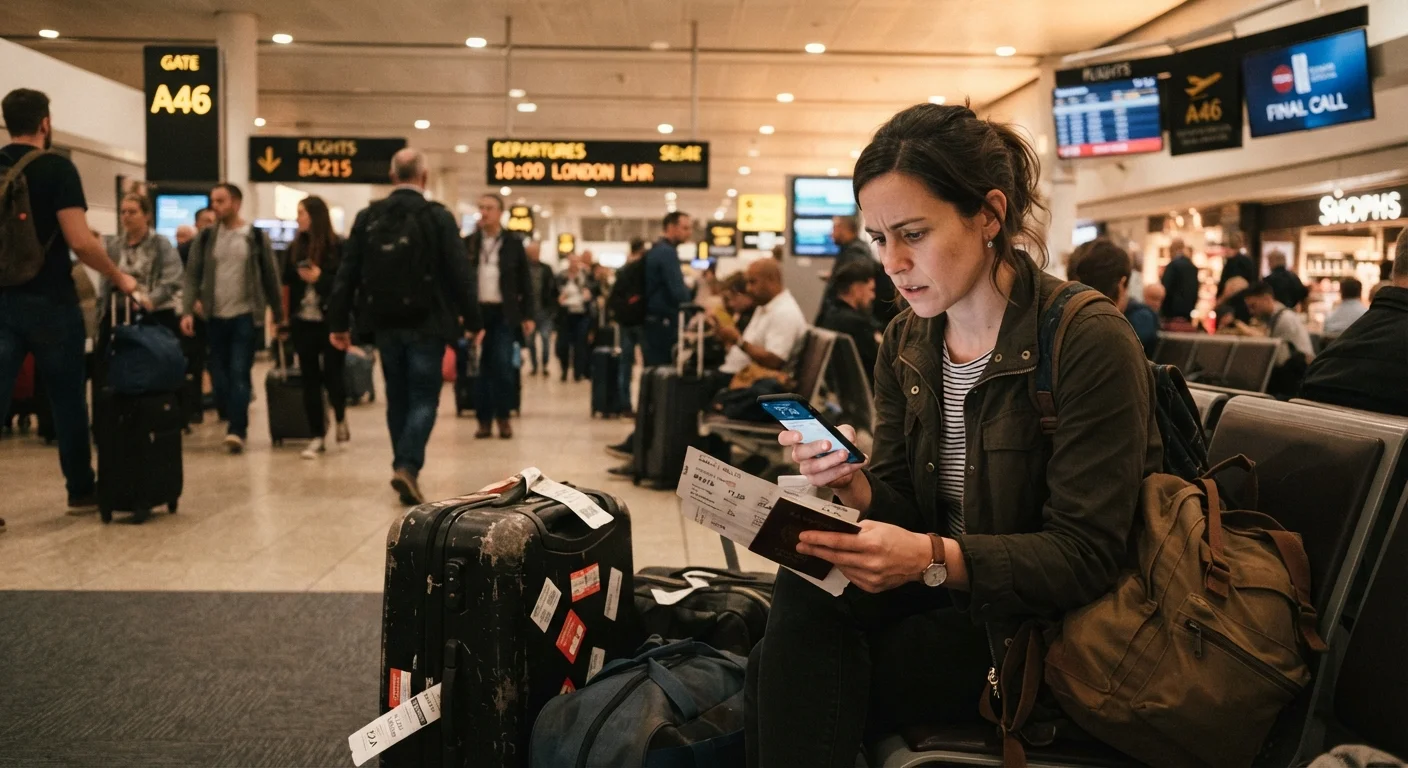
Photo: BridgeWish.com | Reliable Source Of Information editorial
Key Takeaways
- Entry requirements — including visas and passport validity rules — vary widely and change without much notice.
- Time zone differences affect more than sleep; they can derail medication schedules, meeting calls, and booking windows.
- Local SIM cards and currency access are easy to arrange in advance but frequently overlooked until arrival.
- Arrival timing relative to local hours determines whether your first day goes smoothly or sideways.
- Travel insurance gaps and accommodation check-in policies are two of the most common sources of avoidable friction.
The Small Stuff That Causes Real Problems
Most travelers spend hours comparing flights and accommodation options, then breeze past the logistical details that actually determine how smooth the trip feels on the ground. The research shows the pattern: it's rarely the big plans that unravel — it's the arrival at 2 a.m. when no ATMs are working, or the passport that's technically valid but rejected because it doesn't have six months remaining. As our guide to domestic vs. international trip planning explains, going abroad introduces a whole additional layer of logistics that just doesn't exist for domestic trips.
The list below covers the details that experienced travelers have learned to check — not because they're exciting, but because missing them is genuinely disruptive.
Passport validity requirements beyond your return date
Many countries require that your passport be valid for three to six months beyond your travel dates — not just through your departure date. A passport that's technically current can still get you turned away at the border or at check-in. Requirements vary by country, and they can shift. Always check the destination country's official government site or the U.S. Department of State's travel pages before finalizing plans.
A technically valid passport can still be rejected if it expires within six months of your travel dates.
Visa rules and e-visa processing times
Visa requirements are not static. Countries adjust their policies, and processing times for e-visas, visa-on-arrival, and embassy appointments can stretch unexpectedly. Some destinations that once offered straightforward tourist access now require advance registration or fees. Build in time — often several weeks — for any visa application, and verify requirements through official embassy or consulate sources rather than travel blogs, which may not reflect recent changes.
Visa requirements change — always verify through official embassy or government sources, not travel blogs.
Time zone math and what it actually disrupts
Time zone fatigue goes beyond jet lag. A significant time difference affects when you can call home, when your bank's fraud detection might flag an unusual charge, and — importantly — when online booking windows open or close. If you're managing a medication schedule, crossing multiple time zones requires a specific plan. Talk to your healthcare provider before travel about how to adjust timing safely. Even for wellness purposes, give yourself a realistic first day rather than cramming in activities immediately after a long-haul flight.
Time zone differences affect medication schedules, bank alerts, and booking windows — not just sleep.
Arrival timing relative to local operating hours
Landing at an international airport at 11 p.m. sounds fine until you realize the currency exchange is closed, your accommodation's front desk closes at 10 p.m., and the transit system stops running at midnight. Check your arrival time in local time, then work through what's open and what isn't. Some accommodations have self-check-in options for late arrivals; many don't. Confirm in writing. This single detail shapes whether your first hours feel energizing or exhausting.
Your arrival time in local hours determines whether your first night goes smoothly or sideways.
Currency access and card notification
Assuming your debit or credit card will work seamlessly abroad is a common and costly assumption. Foreign transaction fees, daily withdrawal limits, and automatic fraud freezes can leave you without spending cash at the worst moment. Notify your bank before you travel, understand the withdrawal limits on your account, and research whether your destination is primarily cash-based or card-friendly. Having a small amount of local currency before arrival — available at many airport exchange counters stateside, though rates vary — reduces immediate pressure. Our breakdown of pre-departure budget mistakes covers this in more depth.
A fraud freeze on your card at arrival can leave you without cash — notify your bank before you go.
Local SIM cards and connectivity planning
International roaming plans from US carriers can be expensive and unreliable depending on the destination. A local SIM card — purchased at the destination airport or a local shop — often gives far better coverage at a fraction of the cost. Alternatively, an eSIM purchased in advance through a reputable provider can be activated on arrival. Either way, knowing your phone is unlocked before you leave home is essential. Check with your carrier ahead of time; many phones bought on installment plans remain locked to their original network.
Knowing whether your phone is unlocked before departure can save you hours of frustration on arrival.
Travel insurance coverage gaps
Not all travel insurance policies cover the same things. Common gaps include pre-existing medical conditions, adventure activities like hiking or scuba diving, trip cancellation for non-covered reasons, and coverage ceilings that fall short of actual medical costs in expensive destinations. Read the policy — specifically the exclusions — before purchasing, not after. If your trip involves any non-standard activity, verify it's explicitly covered. This is especially relevant for longer or more complex trips where the risk window is wider.
Adventure activities and pre-existing conditions are among the most common travel insurance coverage gaps.
Build the Habit, Not Just the Checklist
No single checklist works for every destination or travel style, but the habit of thinking through these categories before you leave is what separates a stressful trip from a confident one. Knowing when to tackle each planning step helps you avoid the last-minute scramble that leads to expensive workarounds.
Build a destination-specific logistics checklist
For travelers heading abroad for the first time, our look at common accommodation mistakes is worth reading before you confirm any bookings. And if you're nervous about your budget holding up, understanding where travel budgets break down before departure can help you get ahead of the hidden costs.
The best trip planning isn't about eliminating all uncertainty — it's about not being surprised by the things you could have known.
The content on this site is for informational purposes only and is not a substitute for professional advice. Always consult a qualified professional for guidance specific to your situation.