
Domestic vs. International Trip Planning: What Actually Changes

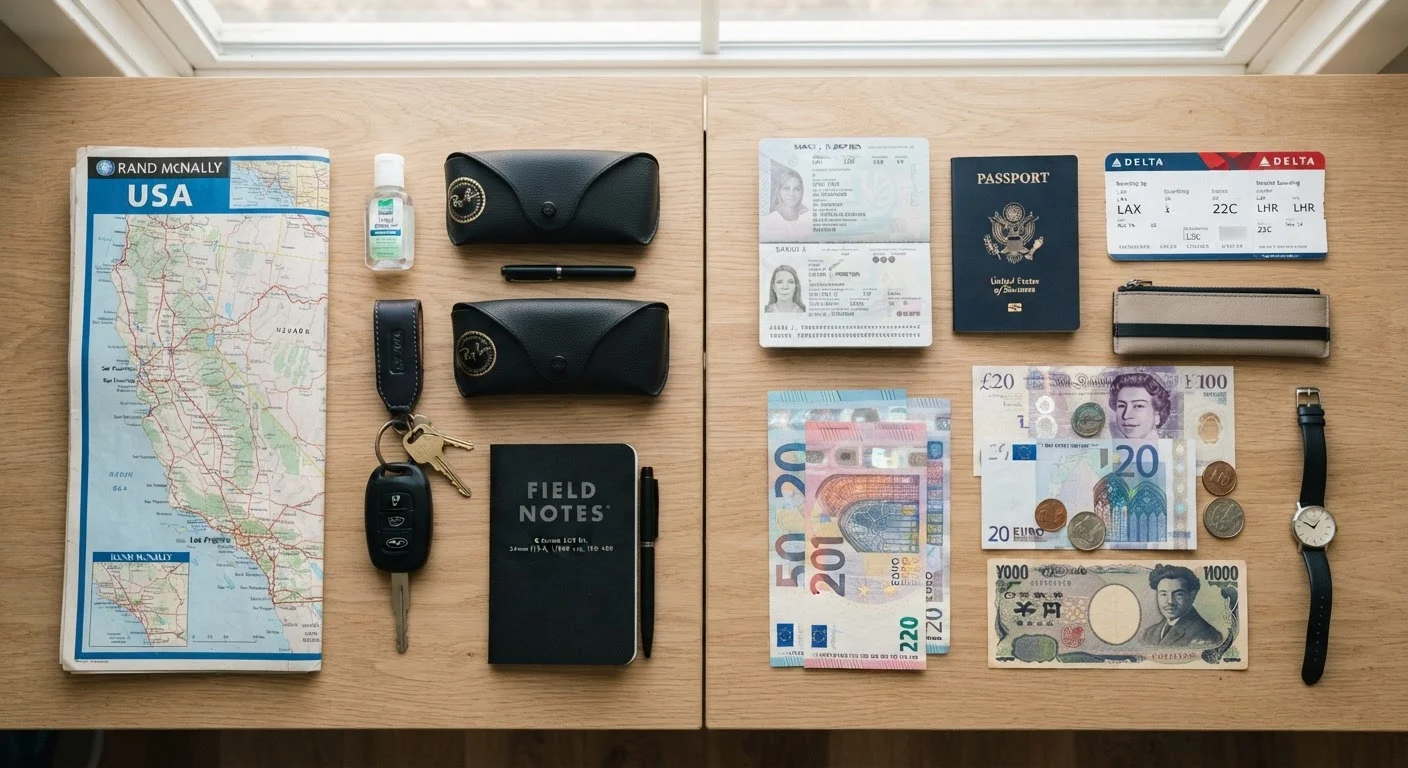
Photo: BridgeWish.com | Reliable Source Of Information editorial
Key Takeaways
- International trips require documentation like passports and sometimes visas that domestic travel never demands.
- Health requirements — including vaccinations — can be mandatory for entry into certain countries.
- Budgeting internationally involves currency exchange rates and foreign transaction fees that don't apply domestically.
- Time zone shifts and longer transit times affect how you structure an international itinerary.
- Domestic travel offers more flexibility for last-minute changes; international bookings generally need more lead time.
- Both trip types benefit from a clear checklist, but the international list is significantly longer.
Where the Two Approaches Actually Diverge
At first glance, planning a trip is planning a trip — you pick a destination, book somewhere to sleep, and figure out getting there. But the moment you cross a US border, the checklist changes in meaningful ways. It's not just a longer flight; it's a fundamentally different kind of preparation.
Domestic travel operates within a system you already know: the same currency, the same language on road signs, the same emergency services, and no document requirements beyond a standard ID. International travel introduces variables that require research, lead time, and a tolerance for uncertainty. Neither is better — they're just different games.
For a deeper dive into where the process diverges most, see our look at how the planning process differs.
| Criterion | Domestic Trip | International Trip |
|---|---|---|
| Documents required | Real ID or state driver's license | Passport; visa may be required |
| Health requirements | None for entry | Vaccinations may be mandatory |
| Currency | US dollars only | Foreign currency; exchange rates apply |
| Recommended lead time | Days to weeks | Months; up to a year for complex trips |
| Time zone impact | Minimal (up to 3 hours within US) | Significant; can affect itinerary pacing |
| Language barriers | Rarely a factor | Common; varies by destination |
| Itinerary flexibility | High; easier to change plans | Lower; international fares often rigid |
| Travel insurance need | Optional for most travelers | Strongly worth considering |
Documents, Health Requirements, and Entry Rules
The single biggest shift between domestic and international planning is documentation. Flying within the US requires a Real ID-compliant driver's license or state ID at minimum. Going abroad requires a valid passport — and depending on your destination, a visa on top of that.
Passport processing times vary and can stretch from a few weeks to several months during busy periods. If your passport is expired or close to expiring, many countries require at least six months of remaining validity beyond your travel dates. That's a detail worth checking early. Our guide on entry requirements by destination explains what documents are typically needed and how to verify them.
Health requirements add another layer. Some countries require proof of specific vaccinations for entry. Travel health advisories, recommended preventive medications, and destination-specific medical considerations all become part of the planning conversation for international trips — none of which apply to a drive through the American Southwest. Always consult a healthcare professional and check official government sources well in advance of international travel.
Visa Rules Vary Widely by Destination
Money, Time Zones, and Itinerary Structure
Budgeting for a domestic trip is relatively straightforward: dollars in, dollars out, with predictable pricing benchmarks. International budgeting adds foreign exchange rates, potential foreign transaction fees on cards, and the need to understand what your money actually buys in a given country.
6–8 weeks
Routine US passport processing time
The US Department of State advises applicants to allow at least six to eight weeks for routine passport processing, with expedited options available for an additional fee.
1–3%
Typical foreign transaction fee on credit cards
Many standard credit cards charge a foreign transaction fee of one to three percent on purchases made abroad, though fee-free travel cards are widely available.
Time zones shape your itinerary in ways domestic travel rarely demands. A five-hour flight from New York to Los Angeles involves a three-hour shift — manageable. A flight to Southeast Asia or Europe can mean a six- to twelve-hour difference that affects your first day or two of any trip. Smart international itineraries build in buffer time for adjustment; domestic ones usually don't need to.
Structuring days also differs. International trips often involve longer transit segments between cities, unfamiliar transportation systems, and the need to factor in language barriers when estimating how long things take. If you're mapping out a longer international journey, our guide on planning a two-week trip abroad walks through the full arc from research to departure day prep.
Lead Time and Flexibility
Domestic trips can often be pulled together in days. Book a flight, reserve a hotel, toss clothes in a bag — that works. International trips reward longer lead times, sometimes six months to a year out for popular destinations or complex visa applications. Some visa types require in-person appointments at consulates, which can book out weeks in advance.
Flexibility is another dimension. Domestic travelers can often change flights or hotels with relatively minor penalties. International travelers dealing with multi-leg itineraries, non-refundable international fares, and accommodation in peak-season destinations face more rigid structures. Travel insurance — which covers trip interruptions and unexpected medical costs abroad — becomes a more serious consideration for international trips than for a weekend getaway in-state.
If you're venturing abroad for the first time, our first international trip planning guide is a strong starting point. And if you're sorting out whether a group is coming along, see how group vs. solo planning differs — that variable matters whether you're crossing a border or not.
Entry requirements, health advisories, and visa rules change frequently. Always verify current requirements through official government sources — such as the US Department of State and the destination country's embassy — before booking or traveling.
The content on this site is for informational purposes only and is not a substitute for professional advice. Always consult a qualified professional for guidance specific to your situation.