
Passport, Visa, or Neither: Understanding Entry Requirements by Destination

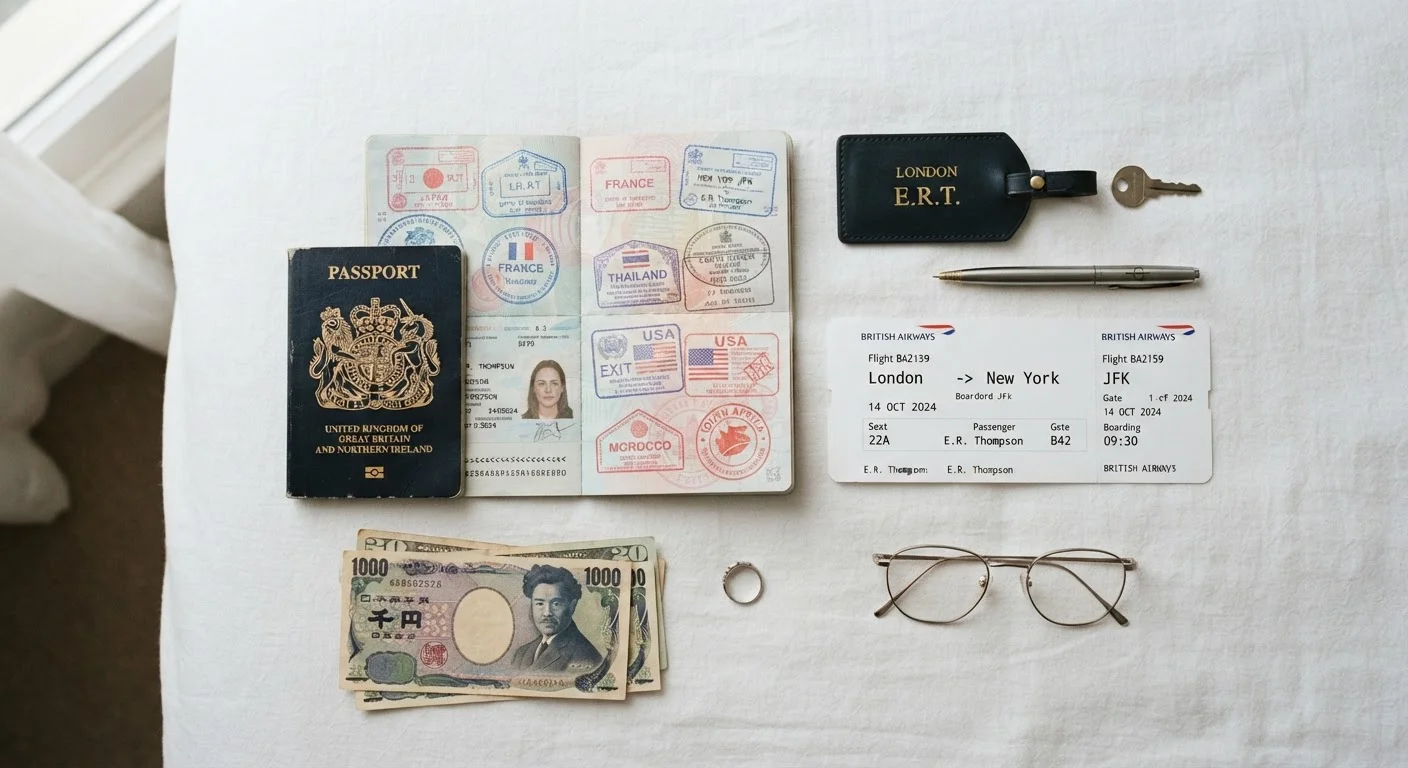
Photo: BridgeWish.com | Reliable Source Of Information editorial
Key Takeaways
- Entry requirements depend on your citizenship, not just your destination country.
- A passport alone is sufficient for many international destinations, but not all.
- Visa-on-arrival and electronic travel authorizations are distinct from traditional visas.
- Entry rules can change — always verify with official sources before you book.
- Some countries require documents beyond a passport, such as vaccination proof or return tickets.
Why Entry Requirements Confuse So Many Travelers
It's one of the most common pre-trip surprises: you assume you're good to go with a valid passport, then discover your destination requires a visa you haven't applied for. Entry requirements aren't one-size-fits-all — they're a matrix of variables including your citizenship, your destination, and how long you plan to stay.
For US travelers, this complexity is easy to underestimate. Americans can visit a large number of countries without a visa, which can create a false sense that paperwork is rarely a concern. In reality, some popular destinations do require advance visas, and others have introduced electronic pre-approval systems that require registration before you fly. Understanding the landscape helps you plan confidently rather than scramble at the last minute.
See our guide to planning international vs. domestic trips for a broader look at how crossing a border changes your prep process.
The Three Main Entry Scenarios
Most destinations fall into one of three categories when it comes to what US passport holders need to enter:
- Passport only: Many countries — particularly in Western Europe, the Caribbean, and parts of Latin America — allow US citizens to enter with just a valid passport for stays up to a set number of days (commonly 90 days). No advance visa is needed.
- Electronic travel authorization (ETA) or pre-registration: Some countries require travelers to register online before arrival and receive digital approval. This is faster than a traditional visa but still requires action before you travel. Examples include systems used by Canada, Australia, and the UK for eligible travelers.
- Visa required: Certain countries require US citizens to obtain a visa in advance from an embassy or consulate, or upon arrival (visa-on-arrival). The process, cost, and processing time vary considerably by country.
186
Countries accessible to US passport holders without a prior visa
According to the Henley Passport Index, the US passport consistently ranks among the most powerful in the world for visa-free or visa-on-arrival access.
6 months
Minimum passport validity many countries require beyond arrival
Dozens of countries enforce a six-month validity rule, meaning travelers with passports expiring sooner may be denied boarding or entry regardless of other documentation.
6–8 weeks
Typical US passport renewal processing time
The US State Department advises travelers to apply for passport renewal well in advance, as routine processing times have historically exceeded six weeks during peak periods.
Knowing which category your destination falls into is the first step. The second is understanding that passport validity matters too — many countries require your passport to be valid for at least six months beyond your planned departure date.
Beyond the Visa: Other Entry Documents to Know About
A valid passport and any required visa or authorization cover the basics, but some destinations ask for more. Depending on where you're headed, border officers may want to see:
- Proof of onward or return travel: A return flight booking or next-destination itinerary showing you don't plan to overstay.
- Proof of sufficient funds: Evidence you can financially support yourself during your stay, such as bank statements or credit cards.
- Vaccination records: Some countries require documentation of specific vaccinations — yellow fever is a common example for travelers arriving from certain regions.
- Travel insurance documentation: A handful of countries — particularly in Europe's Schengen Area for certain visa types — require proof of travel insurance with minimum coverage amounts.
Check Passport Expiration Early
Organizing all your documents before departure takes the stress out of these requirements. Our document organization guide walks through exactly what to carry and how to keep it accessible.
How to Verify Requirements Before You Book
Given that entry rules can change — sometimes quickly — the only reliable approach is to check official sources close to your travel date, not just at the planning stage.
Start with the US Department of State travel site (travel.state.gov), which maintains country-specific entry information for American travelers. Then cross-reference with the destination country's embassy or consulate website in the United States for the most current official guidance. If you're applying for a visa, that consulate site is also where you'll find the actual application.
For a deeper look at how visa applications work in practice — timelines, required documents, and what to expect — see our plain-language visa application breakdown.
Entry Rules Apply to Your Citizenship, Not Just Your Destination
Once you've confirmed your entry requirements, fold them into your full pre-trip preparation. Our pre-departure checklist covers documents, health prep, and logistics in one place so nothing slips through the cracks.
Frequently Asked Questions
The content on this site is for informational purposes only and is not a substitute for professional advice. Always consult a qualified professional for guidance specific to your situation.