
The Documents You Need Organized Before Any Trip

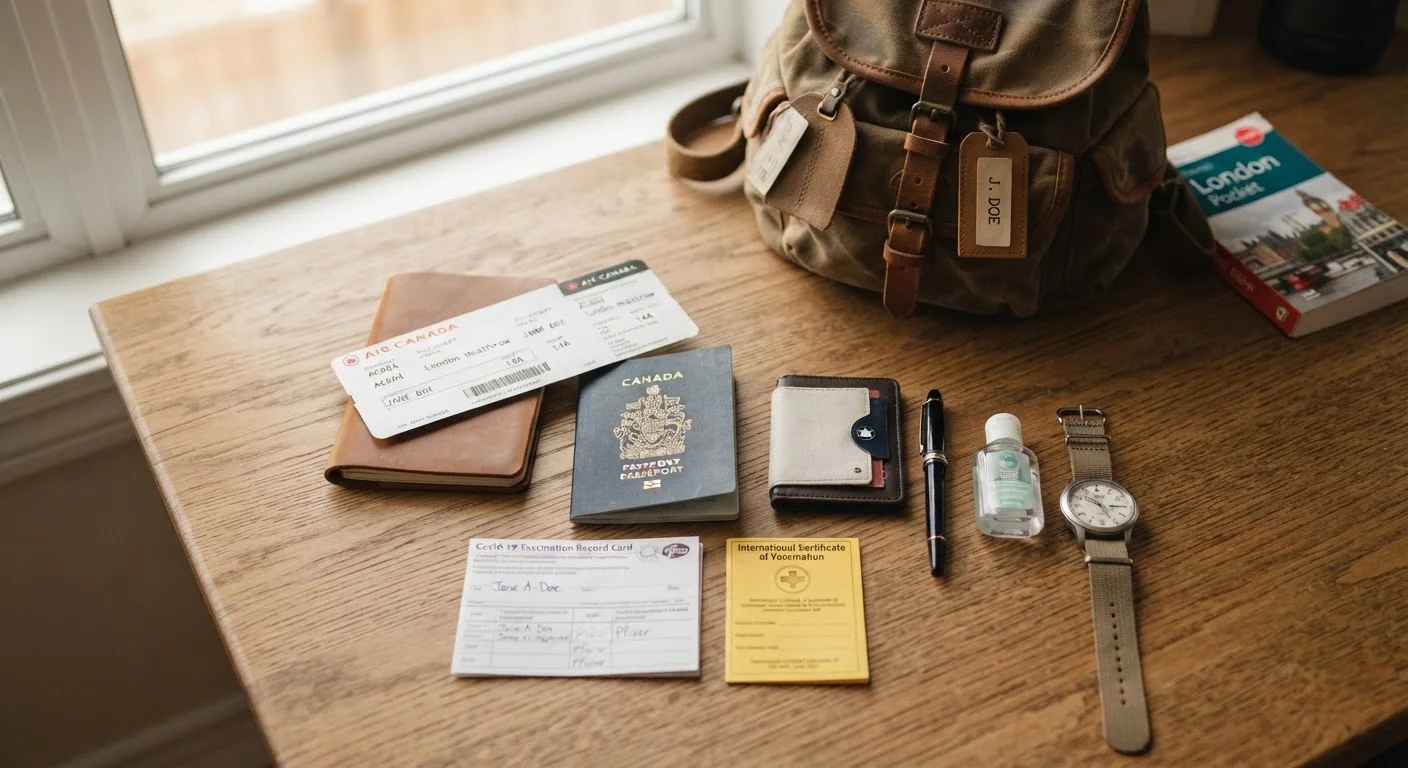
Photo: BridgeWish.com | Reliable Source Of Information editorial
Why Document Prep Matters Before You Leave
Missing or expired documents can ground your trip before it begins — at the check-in counter, the border crossing, or the pharmacy overseas. The good news: a little organization at home saves enormous stress on the road. This guide breaks down exactly which documents belong in your travel kit, what each one does, and how to store them smartly.
Whether you're headed on a domestic weekend escape or your first international adventure, knowing what to carry — and having backups ready — is foundational trip prep. For the broader picture, see our pre-departure checklist that covers everything from finances to home security.
| Passport Validity Requirement | 6 months beyond travel dates (many countries) (Varies by destination; verify with official government sources) |
| REAL ID Deadline (US Domestic) | Required for domestic air travel (U.S. Department of Homeland Security) |
| Visa Types | In-advance, on-arrival, and e-Visa (electronic) |
| Recommended Backup Method | Physical copies + encrypted cloud storage |
| Vaccination Record Format (US) | CDC Yellow Card or official digital record (U.S. Centers for Disease Control and Prevention) |
| Documents to Share With Home Contact | Passport copy, itinerary, insurance info |
The Core Document Checklist
Every traveler's document kit will look slightly different based on destination and citizenship, but these categories apply almost universally:
Passport & Government-Issued ID
Your passport is your most critical travel document for international trips. Check the expiration date well in advance — many countries require at least six months of validity beyond your travel dates. For domestic US travel, a valid driver's license or state ID that meets REAL ID standards is accepted at airport security checkpoints. Not sure what entry documents your destination requires? Our guide on entry requirements by destination explains how rules vary by country and citizenship.
Visas
A visa is official government permission to enter a country for a specific purpose and duration. Some visas are obtained in advance through an embassy or consulate; others are issued on arrival or via an electronic authorization (e-Visa) system. Requirements depend entirely on your citizenship and the destination — always verify current rules through official government sources before you travel.
Travel Insurance Documentation
Your travel insurance policy number, emergency contact line, and a summary of covered benefits should be printed and stored separately from your phone. If you need emergency medical care or need to cancel a trip, having this information on paper — not just in an app — can save critical time.
Flight & Accommodation Confirmations
Print or download offline copies of your flight itinerary, hotel reservation, and any tour bookings. Border agents may ask to see proof of onward travel or lodging arrangements. Having these accessible without cell service is a practical safeguard.
Health & Vaccination Records
Some destinations require proof of specific vaccinations for entry. Even where not mandatory, having a summary of your vaccinations and any prescription medications (including the generic drug names and prescribing doctor contact) can be vital if you need care abroad. Always consult a healthcare professional or travel medicine clinic well before departure regarding vaccination requirements specific to your itinerary.
Passport
A government-issued travel document that certifies your identity and citizenship, required for international entry and exit. US passports are issued by the Department of State.
Visa
An official endorsement or document granting permission to enter, stay in, or transit through a foreign country for a defined period and purpose. Requirements vary by nationality and destination.
REAL ID
A US federal compliance standard for state-issued driver's licenses and ID cards. REAL ID-compliant documents are required at TSA airport security checkpoints for domestic flights.
e-Visa
An electronic travel authorization linked digitally to your passport rather than stamped or affixed to it. Many countries now offer e-Visa systems through their official government portals.
Travel Insurance Policy
A contract that provides financial protection against specific travel-related losses such as trip cancellation, medical emergencies abroad, or lost luggage. Coverage terms vary widely by plan.
Onward Travel Proof
Documentation showing you have a confirmed departure from the destination country, such as a return or connecting flight booking. Some border agents require this to confirm you don't intend to overstay.
How to Store and Back Up Your Documents
Carrying originals is necessary, but losing them shouldn't mean losing everything. Follow these practices to protect yourself:
- Make photocopies of your passport, visa, insurance card, and ID — store copies separately from the originals (e.g., in checked luggage if originals are in your carry-on).
- Use secure cloud storage to upload scans of key documents so you can access them from any device. Email copies to yourself as a backup.
- Share copies with someone at home — a trusted contact who can help you if documents are lost or stolen abroad.
- Use a travel document organizer or slim wallet to keep everything together and easy to present at checkpoints without rummaging.
For a complete look at how documents fit into your overall packing strategy, our complete packing guide covers luggage selection and organization systems for every trip type.
Verify Official Requirements Before Every Trip
The content on this site is for informational purposes only and is not a substitute for professional advice. Always consult a qualified professional for guidance specific to your situation.