
Why Your Travel Budget Falls Apart Before You Land

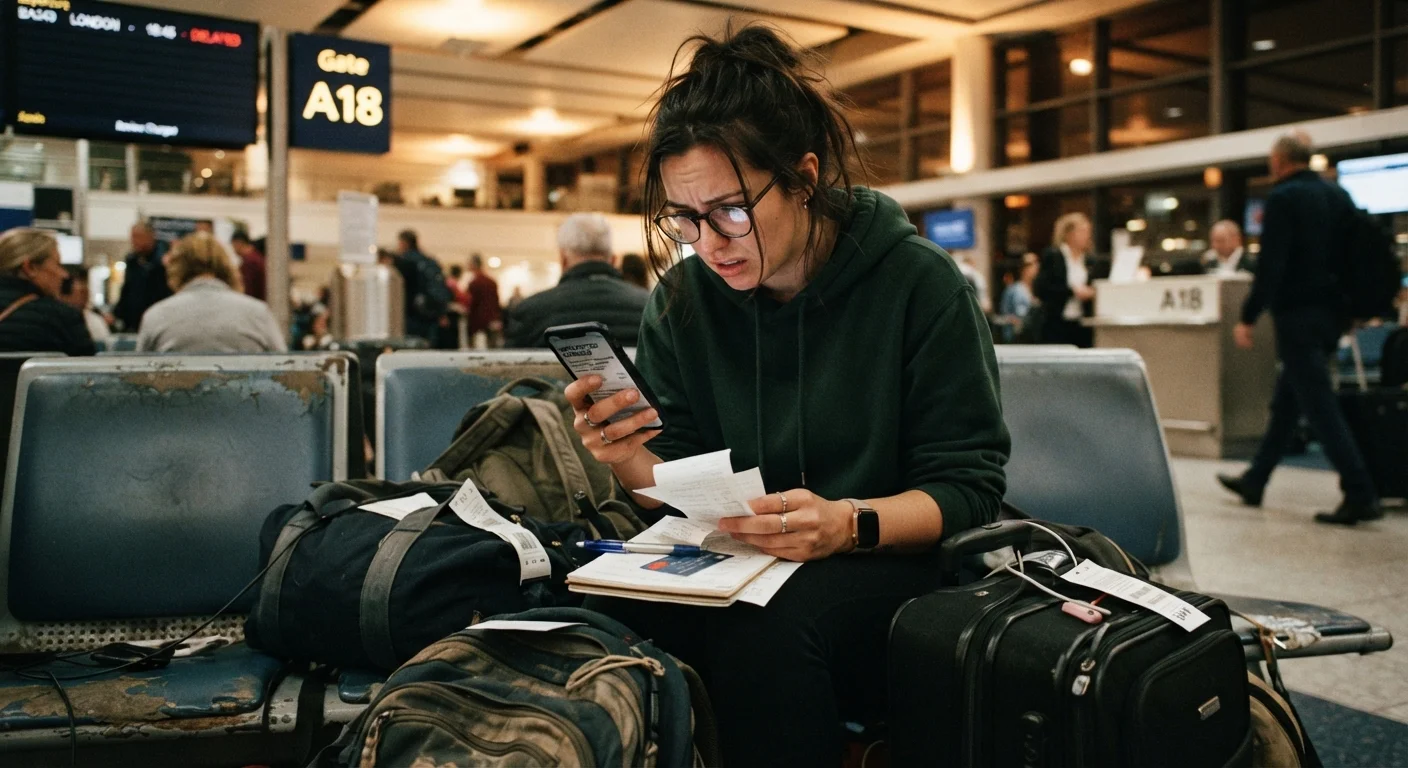
Photo: BridgeWish.com | Reliable Source Of Information editorial
Key Takeaways
- Airport fees, baggage charges, and seat upgrades are frequently left out of initial flight budgets.
- Currency conversion costs can quietly drain hundreds of dollars if you use the wrong payment method abroad.
- Travel insurance, visas, and vaccines are essential pre-departure expenses many travelers forget to include.
- A realistic contingency buffer of 10–15% can prevent a single surprise expense from derailing your trip.
- Researching destination-specific taxes and entry fees ahead of time closes the most common budget gaps.
The Budget You Built Isn't the Budget You'll Spend
Most travelers feel good about their budget the moment they click "book." They've tallied flights, hotels, and a rough estimate for meals. Then reality arrives — usually in the form of a baggage fee at check-in, a visa application link they somehow missed, or a currency conversion rate that quietly shaved 8% off every purchase. The money disappears before the trip even begins.
This isn't a discipline problem. It's a planning problem. The expenses that break travel budgets are almost always predictable — they're just systematically left off the list. Understanding exactly where that leakage happens is the first step toward building a plan that actually holds. For a deeper framework, see our guide on building a travel budget that actually holds up.
Ignoring baggage and seat selection fees when booking flights.
Skipping travel insurance because the trip seems short or low-risk.
Forgetting visa fees, e-visa processing costs, and entry taxes.
Using a card with foreign transaction fees for every international purchase.
Underestimating airport transfers and ground transportation costs.
Building no contingency buffer into the overall travel budget.
Why These Mistakes Keep Happening
Budget blind spots tend to cluster around the same psychological pattern: travelers focus heavily on the headline cost (the flight price, the hotel rate) and mentally file everything else as "minor details." Those details compound fast.
1–3%
Typical foreign transaction fee per purchase
Many standard US bank cards charge this fee on every international transaction, a cost that adds up significantly over a multi-week trip.
10–15%
Recommended travel contingency buffer
Financial planners and travel advisors commonly suggest setting aside this percentage above your estimated total to cover unexpected pre- and post-departure costs.
Currency-related losses are a prime example. Many travelers assume their bank card works fine abroad — and it does, technically. But without checking for foreign transaction fees or understanding dynamic currency conversion (where a foreign merchant offers to charge you in dollars instead of local currency, almost always at a worse rate), small losses stack up across dozens of transactions. Checking with your bank before departure and understanding how your card handles international purchases takes less than ten minutes and can save meaningfully over a two-week trip.
Entry requirements are another overlooked category. Visa fees, e-visa processing costs, and reciprocity fees (charged by some countries to mirror fees their citizens pay to visit the US) can run from $20 to over $100 per person. Some destinations also require proof of onward travel or minimum funds, which may prompt last-minute bookings. For a fuller picture of logistics travelers routinely miss, see trip planning details travelers overlook.
Verify Entry Requirements From Official Sources
Accommodation assumptions also create gaps. Resort fees, city taxes, and tourist levies are often charged at the property rather than included in the booking price — and they're rarely small. First-time international travelers in particular benefit from reading the fine print before confirming a stay. Our piece on what first-time international travelers get wrong about accommodation covers this in detail.
The broader lesson: a travel budget shares the same failure modes as any household budget. For a look at those universal patterns, the common reasons budgets fall apart piece is worth a read before your next trip.
The content on this site is for informational purposes only and is not a substitute for professional advice. Always consult a qualified professional for guidance specific to your situation.