
What 'Shoulder Season' Actually Means for Your Trip

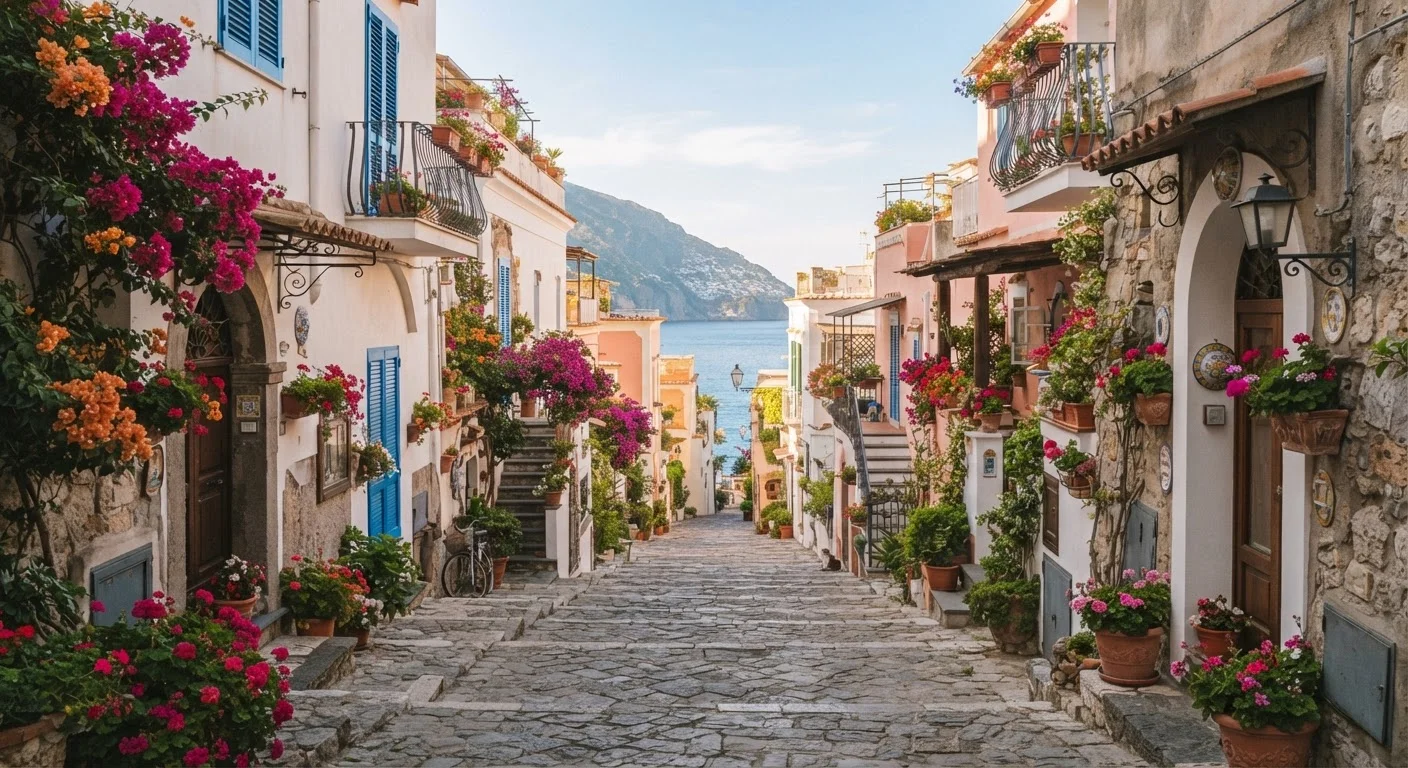
Photo: BridgeWish.com | Reliable Source Of Information editorial
Key Takeaways
- Shoulder season sits between peak and off-peak travel, typically in spring and fall.
- Crowd levels are generally lower than peak season but conditions vary by destination.
- Weather during shoulder season is less predictable — rain or temperature swings are common.
- Some services and attractions may operate on reduced schedules compared to peak season.
- Shoulder season timing is destination-specific and not a universal calendar window.
The Basic Idea: A Middle Ground Between Busy and Quiet
If you've heard the term "shoulder season" and nodded along without being entirely sure what it means, you're not alone. The concept sounds intuitive — something between the extremes — but what it actually looks like in practice depends on where you're going and when.
Peak season at a destination is when the most visitors arrive. Think summer crowds in Paris, ski resorts packed over winter holidays, or tropical islands swarming with visitors during dry months. Off-season flips that picture entirely: far fewer travelers, but also reduced services, possible closures, and the least predictable weather.
Shoulder season sits in between. It's when tourist numbers begin to drop from their peak but haven't bottomed out. Most businesses are still open, the destination is still accessible and active — but the atmosphere is noticeably calmer. For many travelers, that balance is genuinely appealing.
Shoulder Season Isn't the Same Everywhere
Why Shoulder Season Timing Isn't One-Size-Fits-All
One of the most important things to understand is that shoulder season is destination-specific. There's no universal calendar you can follow. A general rule of thumb for many Northern Hemisphere destinations points to spring (April–May) and fall (September–October), but plenty of exceptions exist.
A beach destination in the Caribbean might have a shoulder period tied to hurricane season rather than temperature. A ski town's shoulder might fall in early November before snow conditions firm up, and again in April when slopes get slushy. A city that draws visitors for a major annual event might not have a true shoulder season at all — at least not around that window.
This is why doing destination-specific research matters before assuming you've landed in a quieter period. Considering timing as part of your destination decision early on can save a lot of recalibrating later.
Check Local Calendars Before You Book
What to Actually Expect During Shoulder Season
Shoulder season comes with real advantages and honest trade-offs. Understanding both helps you plan without surprises.
What often works in your favor:
- Thinner crowds at popular sites, meaning shorter lines and a more relaxed experience
- More availability for accommodation, tours, and restaurant reservations
- A more local atmosphere — many destinations feel more like themselves outside peak tourist surges
What to plan around:
- Variable weather — shoulder seasons often bring more rain, wind, or temperature swings than peak periods
- Reduced hours or seasonal closures at some attractions, especially in resort-heavy areas
- Fewer transport options — some ferry routes, shuttle services, or tours scale back outside peak demand
A closer look at shoulder season trade-offs can help you build a realistic picture of what your specific trip might look like. Packing for variable conditions is also worth thinking through early — a flexible travel wardrobe makes weather unpredictability much easier to handle.
2
Typical shoulder seasons per destination per year
Most destinations experience a spring and fall shoulder period, though exact timing varies significantly by location and climate type.
~30%
Potential crowd reduction vs. peak season
Visitor volume estimates vary widely by destination, but tourism research commonly notes meaningful declines in arrivals during shoulder windows compared to peak months.
How Shoulder Season Fits Into Your Broader Travel Style
Whether shoulder season works for you depends on your priorities. If minimizing crowds and having room to breathe at a destination matters more than picture-perfect weather guarantees, shoulder season often delivers. If your trip hinges on specific weather conditions — say, reliable sunshine for a beach vacation — the trade-offs may not align.
Shoulder season pairs particularly well with a slower, more flexible style of travel. When you're not rushing between packed attractions on a tight itinerary, a rainy afternoon or a closed attraction feels far less disruptive. Slow travel principles and shoulder season timing often complement each other naturally.
Ultimately, shoulder season is a useful framework — not a magic solution. Knowing what it means lets you make an informed choice about when to go, rather than defaulting to peak dates out of habit or assumption. That kind of deliberate planning tends to make for better trips.
Frequently Asked Questions
The content on this site is for informational purposes only and is not a substitute for professional advice. Always consult a qualified professional for guidance specific to your situation.