
Building a Travel Wardrobe That Works for Any Destination

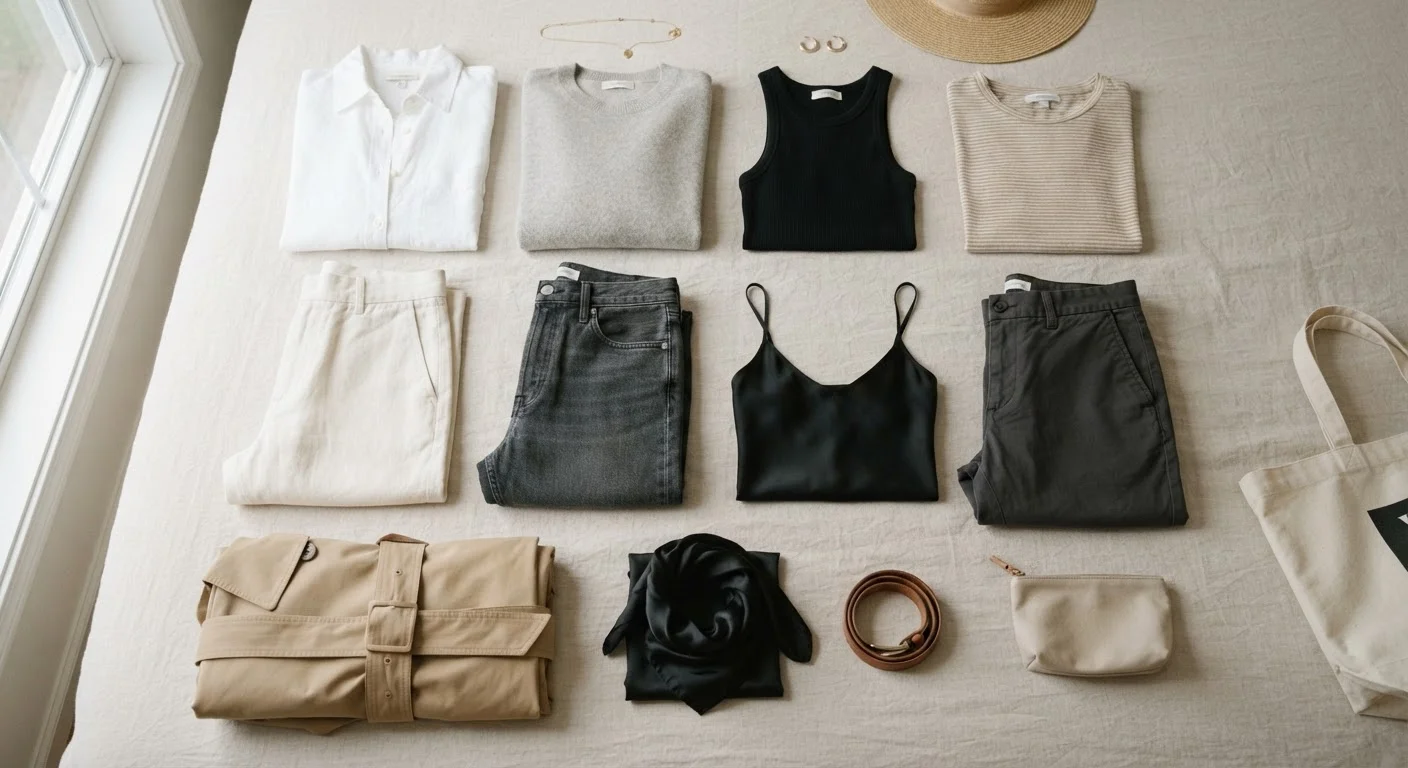
Photo: BridgeWish.com | Reliable Source Of Information editorial
Key Takeaways
- Neutral, coordinating colors let every piece mix and match, stretching your options without adding weight.
- Layering is more versatile than packing bulky single-purpose items for varying climates.
- Fabric choice — wrinkle resistance, quick-dry, breathability — determines how hard each piece works for you.
- Planning outfits around activities before packing eliminates duplicate or redundant items.
- A travel wardrobe built on these principles works across trip types, not just one destination.
Why Most Travelers Overpack (And How to Stop)
Overpacking almost always comes down to the same trap: packing clothing for individual days rather than building a system. When each outfit is a one-time-use event, you inevitably end up with a bag full of items that could have shared the job.
The fix is thinking in terms of a travel wardrobe — a set of pieces specifically chosen to work together across multiple days, occasions, and climates. This approach is explored in depth in our capsule wardrobe guide, and it starts with a simple principle: every item you pack should be wearable with at least two others already in your bag.
Before you throw a single thing in your suitcase, map out your actual activities. A city itinerary, a beach day, and a nice dinner call for very different gear logic — and packing for every trip type requires that activity-first mindset.
Start With Your Activities, Not Your Closet
The Fabric Rules That Change Everything
Clothing fabric is the single biggest factor in how hard your wardrobe works on the road. Prioritize these qualities:
- Quick-dry: Fabrics that dry overnight in a hotel room mean you can wash and rewear without needing extras.
- Wrinkle-resistant: Merino wool, nylon blends, and certain polyester weaves resist creasing even after hours in a compressed bag.
- Lightweight: Natural or synthetic fabrics with low weight-to-warmth ratios let you layer without bulk.
- Breathability: Crucial for warm destinations; moisture-wicking materials keep you comfortable across climates.
Merino wool deserves special mention — it regulates temperature in both warm and cold conditions, resists odor between washes, and compresses well. It's a popular choice among frequent travelers for exactly these reasons.
~62%
Travelers who report overpacking on most trips
Survey data from travel industry research consistently shows the majority of travelers wish they had packed less after returning home.
3–5 days
Typical rewear interval for merino wool
Due to merino wool's natural odor-resistance, many frequent travelers wear merino base layers three to five times between washes.
Color Coordination: The Neutral Base Strategy
Color strategy is often the overlooked secret to a wardrobe that generates more outfit combinations than items in the bag. The principle is simple: anchor your wardrobe in two or three neutral tones — navy, grey, black, tan, or white — and then add one or two accent pieces in a consistent color that plays well with everything else.
With this approach, five tops, two bottoms, and a versatile outer layer can generate well over a dozen distinct combinations. That's real flexibility without extra weight.
Extend this logic across your entire packing plan. Our complete packing guide covers how clothing strategy fits alongside luggage selection, gear choices, and overall packing systems.
Shoulder Season Complicates the Color Math
Layering for Climate Versatility
No single jacket or sweater handles every condition, but a smart layering system can. Think in three layers:
- Base layer: A lightweight, moisture-wicking shirt or leggings that regulate temperature close to your skin.
- Mid layer: A fleece, cardigan, or thin down piece that traps warmth when needed.
- Outer layer: A packable rain shell or windbreaker that blocks elements without adding significant weight.
This three-layer approach handles everything from a cool alpine morning to an air-conditioned restaurant to a humid evening walk. If you're heading somewhere with genuinely extreme conditions, see our extreme climate packing guide for targeted advice.
For extended trips where this system really gets tested, packing light for long trips explores how to sustain a lean wardrobe across multiple weeks.
Putting It All Together Before You Zip
The final step before packing is a quick audit. Lay out every clothing item you plan to bring, then ask: does this piece work with at least two others here? If not, it likely doesn't earn its spot.
Check accessories too — shoes in particular are heavy and take up significant space. Two pairs that serve multiple purposes will serve you better than three pairs that each serve one. For organizers and gear that help manage what you do bring, our travel gear guide covers the tools that genuinely help.
Planning a first longer trip and want a full framework? Our first-time week-long packing guide walks through every step from choosing a bag to finalizing your clothing list. And when you're ready to start thinking about where all this versatile packing will take you, explore our Destinations & Stays hub for guidance on choosing the right place to go.
The content on this site is for informational purposes only and is not a substitute for professional advice. Always consult a qualified professional for guidance specific to your situation.