
Packing for Extreme Climates: Cold, Humid, and High-Altitude Destinations

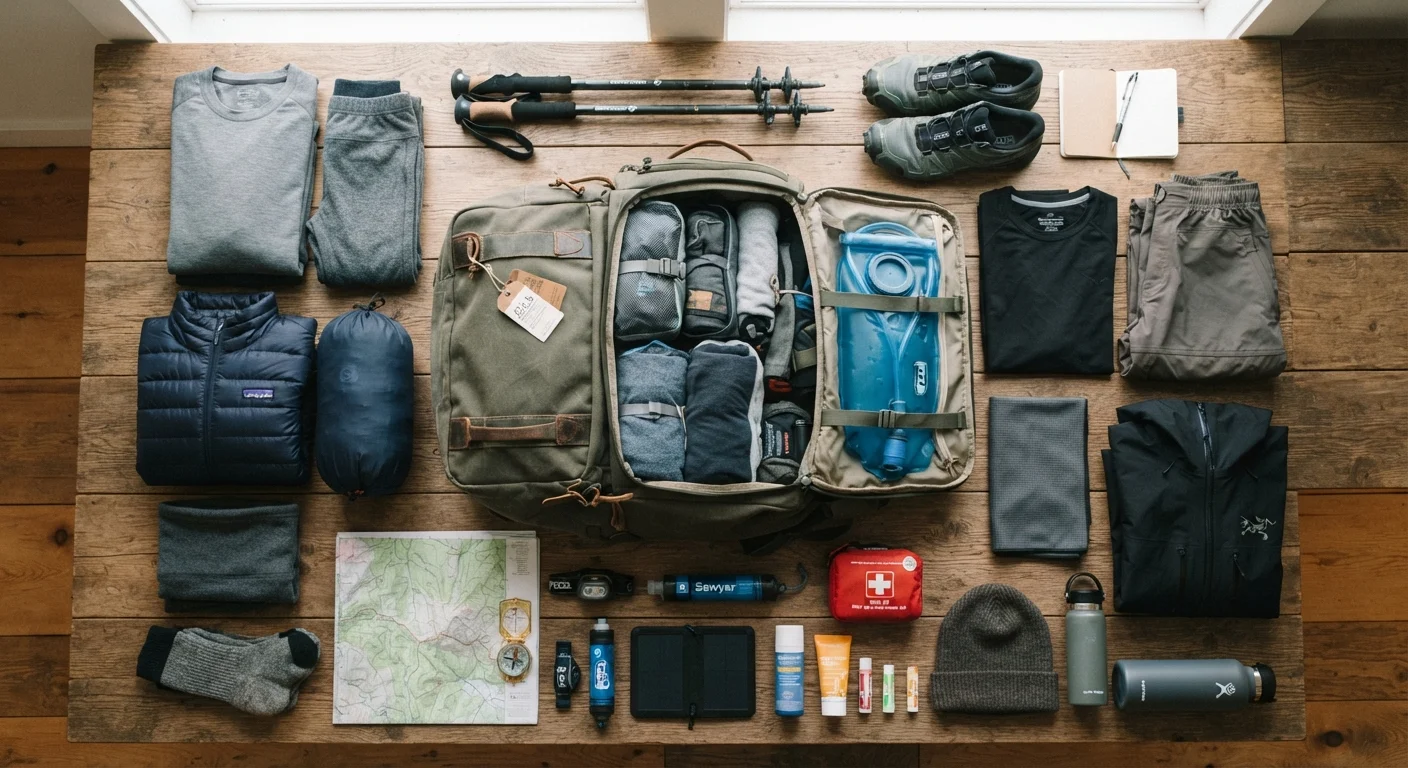
Photo: BridgeWish.com | Reliable Source Of Information editorial
Key Takeaways
- Cold destinations demand layering systems, not just bulk — base, mid, and shell layers outperform heavy single pieces.
- Humid climates require moisture-wicking, quick-dry fabrics to stay comfortable and prevent mildew in your bag.
- High-altitude packing means anticipating rapid weather shifts and sun intensity, not just cold temperatures.
- Every extreme climate rewards a smaller, more intentional packing list over an overstuffed bag.
- Footwear is the single heaviest category — choose one pair that handles your worst-case scenario.
Why Extreme Climates Demand a Different Packing Logic
Packing for a mild city trip and packing for the Himalayas or the Amazon are fundamentally different exercises. In extreme environments, the wrong gear doesn't just mean mild discomfort — it can mean hypothermia, heat exhaustion, or equipment failure when you need it most. At the same time, overpacking is its own trap: a bag too heavy to carry comfortably becomes a liability on uneven terrain or long transit days.
The good news is that smart packing for extreme climates follows consistent principles: understand your specific conditions, build versatile systems rather than single-use items, and protect both yourself and your gear from the environment's biggest threats. These principles apply whether you're heading somewhere bitterly cold, persistently humid, or breathtakingly high.
For a broader look at how temperature extremes shape packing decisions, see packing for cold and heat extremes. And if you're curious how seasoned travelers approach these decisions habitually, frequent traveler packing mindsets is worth a read.
What you will need
Tools and Gear to Have Ready
Before walking through the steps, it helps to know what core items should be in your packing toolkit. The list below covers the non-negotiables and useful extras for cold, humid, and high-altitude trips — most of these items overlap usefully across all three climate types, which keeps your overall kit lean.
Moisture-wicking base layer (top and bottom)
Regulates body temperature in cold and humid environments by moving sweat away from skin.
Insulating mid-layer (fleece or down)
Provides core warmth in cold and high-altitude climates without adding excessive bulk.
Waterproof, windproof shell jacket
Acts as the outer defense against rain, wind, and rapid weather changes at altitude or in humid climates.
Compression packing cubes
Keeps clothes organized and reduces pack volume, especially useful when carrying layers.
High-SPF sun protection and UV-blocking sunglasses
UV radiation intensifies significantly at altitude — sun protection is essential, not optional.
Waterproof dry bags or zip-lock bags
Protects electronics and documents from moisture in humid or wet environments.
Merino wool socks (multiple pairs)
Manages moisture and odor across cold, humid, and high-altitude conditions better than synthetic alternatives.
For trip-type-specific variations — like what changes if you're on a city break versus a backcountry trek — see packing by trip type.
Define your climate category and activity level
Before pulling a single item from your closet, get specific. A cold destination like Iceland in October is very different from a high-altitude Andean trek, even if both feel 'cold.' Ask yourself: Will temperatures drop below freezing? Is rain constant? Are you above 8,000 feet? Are you mostly walking city streets or covering miles on trails?
Your answers directly shape every packing decision that follows. Cross-reference your destination's climate data — monthly averages, precipitation patterns, and elevation — rather than relying on vague impressions. The Trip Planning hub is a useful starting point for researching destination conditions.
Build your layering system around the climate type
Every extreme climate — cold, humid, or high-altitude — benefits from a layering approach rather than single bulky pieces.
- Cold destinations: Moisture-wicking base layer + insulating mid-layer + windproof/waterproof shell. Prioritize packability in your mid-layer; a compressible down jacket takes up far less space than a thick fleece.
- Humid destinations: Focus on the base layer — quick-dry, lightweight fabrics are non-negotiable. Skip anything cotton; it stays wet, feels heavy, and can develop odor quickly. A light rain layer doubles as wind protection.
- High altitude: Use the same three-layer cold-weather system, but add UV protection as a fourth consideration. Temperature swings of 30°F or more between morning and afternoon are common — you need to add and remove layers without rethinking your whole outfit.
See building a travel wardrobe that adapts across climates for deeper guidance on fabric choices.
Select footwear for your worst-case conditions
Shoes are typically the heaviest, least compressible items in your bag — choose wisely. Aim for one pair that handles your most demanding scenario, plus one lighter backup if your trip genuinely requires it.
- Cold: Waterproof, insulated boots that you can walk in for hours without discomfort.
- Humid: Ventilated, quick-drying shoes or trail runners that won't stay soggy. A pair of sandals or flip-flops can handle beach or indoor use.
- High altitude: Sturdy, ankle-supporting hiking shoes or boots with good grip. Check trail conditions — some high-altitude routes require crampons or gaiters.
Wear your bulkiest footwear on travel days so it doesn't count against your luggage weight.
Pack moisture and weather protection for your gear
In humid climates, moisture doesn't just affect your clothing — it threatens your electronics, documents, and anything leather or paper-based. Use waterproof dry bags or sealed zip-lock bags inside your main pack to create a moisture barrier. For cold and high-altitude trips, wind and unexpected precipitation are the bigger risks.
A lightweight packable rain cover for your backpack is worth the few ounces it adds. For checked luggage, consider a dry bag liner inside your suitcase if your destination is consistently wet.
[important_callout]Address altitude-specific health and safety items
High-altitude destinations introduce a category of packing considerations that cold and humid climates don't share. UV exposure at elevation is significantly more intense — pack high-SPF sunscreen and UV-blocking eyewear even if temperatures feel cool. Lips and exposed skin burn faster above 10,000 feet.
Hydration becomes critical at altitude, where dry air and exertion accelerate fluid loss. A refillable water bottle with a filter or purification tablets gives you flexibility in areas with unreliable water sources.
Consult a healthcare professional well before your trip about altitude sickness (acute mountain sickness) and whether any preventive measures are appropriate for your health profile. Do not rely on gear or supplements as substitutes for medical guidance.
[tip_callout]Edit your list and do a final weight check
Once you've assembled everything, lay it all out and challenge each item with one question: does this serve my climate system or fill a specific confirmed need? If the honest answer is 'probably' or 'just in case,' it likely doesn't belong in the bag.
Packing light for extended trips requires the same discipline for a weekend extreme-climate trip — every item should earn its weight. Compress your packing cubes, weigh the loaded bag, and compare against your airline's limits before leaving home, not at the check-in counter.
Don't Rely on Buying Gear at Destination
The content on this site is for informational purposes only and is not a substitute for professional advice. Always consult a qualified professional for guidance specific to your situation.