
How Frequent Travelers Think About Packing Differently

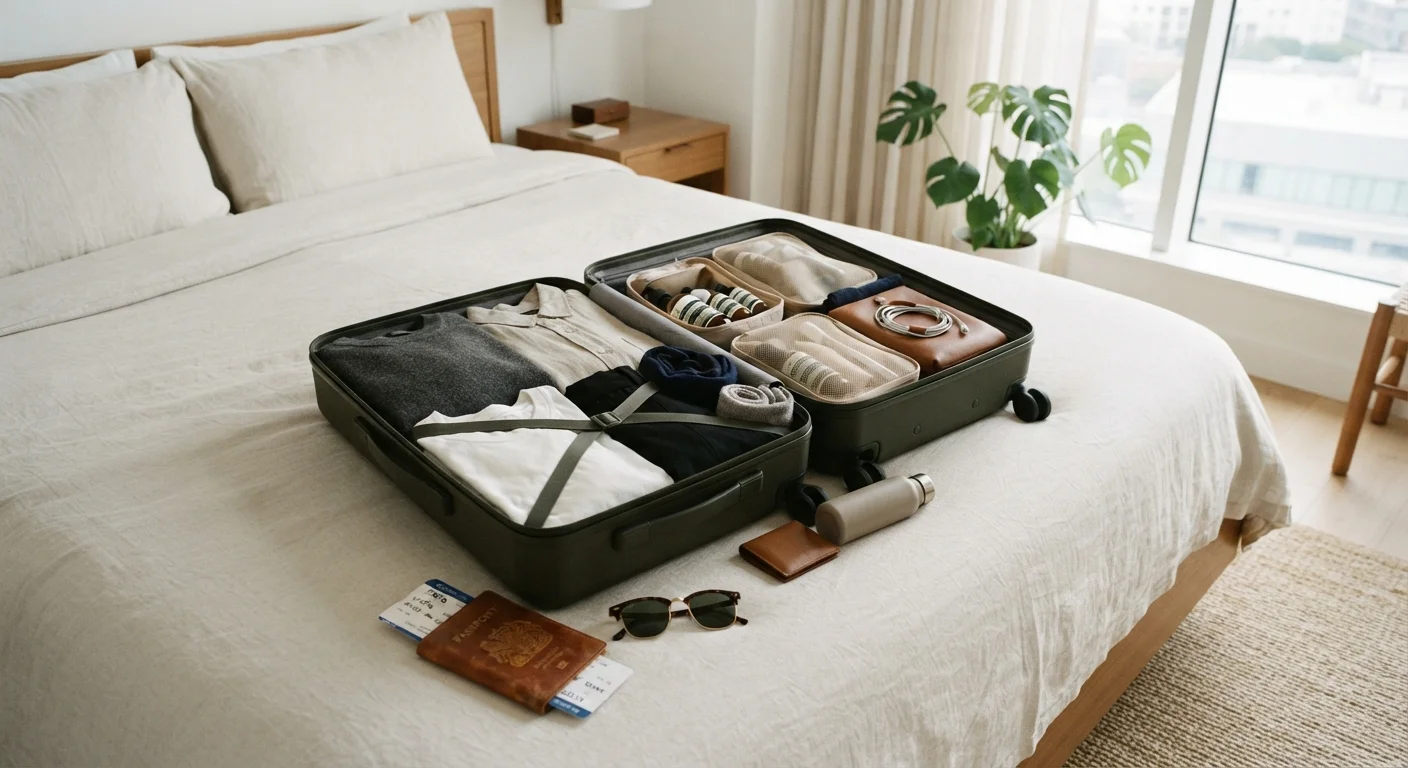
Photo: BridgeWish.com | Reliable Source Of Information editorial
Key Takeaways
- Experienced travelers treat packing as a system, not a last-minute scramble.
- Choosing versatile, mix-and-match clothing eliminates the need to overpack.
- A consistent packing list refined over time removes guesswork before every trip.
- Frequent travelers prioritize carry-on only to gain speed, flexibility, and savings.
- The mindset shift is from 'what might I need?' to 'what will I actually use?'
The Packing Mindset That Changes Everything
Ask a frequent traveler how they pack and you'll notice something immediately: they don't agonize over it. They've built a repeatable system that takes the guesswork out of every departure. If you've ever stood in front of an overflowing suitcase the night before a flight, you already know that packing isn't really about stuff — it's about decision-making.
The shift from casual to confident packer isn't about owning better gear. It's about developing a fundamentally different relationship with what you bring. Frequent travelers ask a different question. Instead of "What might I need?" they ask "What will I actually use?" That single reframe changes everything. For a deeper look at why less really does mean more, see the case for traveling with less.
Below are the habits and mental frameworks that separate seasoned packers from everyone else.
They work from a personal master list
Frequent travelers don't reinvent the wheel before each trip. They maintain a running packing list — refined over time — that reflects their actual habits and needs. This list isn't borrowed from a blog; it's built from experience. Items that never got used get cut. Items that were always missing get added.
The result is a template that can be quickly adapted for any trip type. A weekend city break might use 60% of the list; a two-week hiking trip might swap in specific gear. Either way, the decision-making is already done before the bag comes out of the closet.
A personal master list turns packing from a stressful task into a simple checklist exercise.
They build a wardrobe around versatility, not variety
One of the most powerful shifts frequent travelers make is in how they think about clothing. Instead of packing outfits — one per day — they pack pieces that work together across multiple combinations. Neutral colors, layerable items, and fabrics that transition from day to evening dramatically cut what goes in the bag.
This approach is sometimes called the capsule wardrobe method. The goal isn't to look the same every day; it's to maximize wearability from a small selection. The capsule wardrobe approach to travel packing covers exactly how to build this system for any trip type.
Packing pieces that mix and match means five items can create fifteen different looks.
They default to carry-on only whenever possible
Frequent travelers have usually learned the hard way that checked luggage creates friction — delayed bags, baggage fees, extra time at carousels, and less flexibility to change plans. The carry-on mindset isn't about minimalism for its own sake; it's about control.
When everything fits in an overhead bin, you can take a last-minute flight change, walk out of the airport in minutes, and skip fees. This constraint also forces better packing decisions: if it doesn't fit, you think harder about whether it's truly necessary. That discipline pays off on every trip. For guidance on how this applies to different trip types, see packing smart for different travel styles.
The carry-on constraint forces better decisions and delivers more freedom at every airport.
They know what they can buy at the destination
A common source of overpacking is the fear of being caught without something. Frequent travelers counteract this by mentally categorizing items into what's hard to find elsewhere versus what's readily available almost anywhere. Toiletries, basic medications, phone charger cables — these exist in most cities worldwide.
This doesn't mean traveling unprepared; it means not treating every hypothetical need as a reason to pack heavier. Knowing you can grab sunscreen or a forgotten umbrella when you land is genuinely liberating, and it frees up real estate in your bag for what actually matters.
Trusting that everyday items are available at your destination is a quiet superpower.
They adjust for climate without overcorrecting
Packing for weather is one of the trickiest parts, and overpacking "just in case" is the most common mistake. Experienced travelers have learned to layer strategically rather than bring separate bulky items for every scenario. A lightweight base layer, a mid-layer, and a packable outer shell can handle a remarkable range of temperatures.
Context matters too. Destination-specific planning — thinking through humidity, altitude, and temperature swings — leads to smarter, leaner choices. For those heading somewhere genuinely extreme, packing for extreme climates offers targeted guidance without the guesswork.
Strategic layering handles far more weather scenarios than packing separate items for each one.
They do a post-trip audit
One habit that separates frequent travelers from occasional ones: unpacking thoughtfully. Instead of just emptying the bag, they notice what they never touched. That blazer that stayed folded the whole trip? Off the list next time. The reusable shopping bag that came in handy every day? Permanent addition.
This feedback loop is what makes the master packing list dynamic rather than static. Over several trips, the list gets sharper, lighter, and more personalized. It's a small habit with compounding returns — and it's one of the most underrated parts of how smart travelers plan and prepare.
Reviewing what you never used after each trip is how the list gets lighter every time.
Put the System to Work on Your Next Trip
These mindset shifts aren't reserved for road warriors who log 100 flights a year. Any traveler can adopt them starting with their very next trip. The key is to begin building your own packing list now — before you need it — and refine it after every journey.
Start with one trip, one list
If you're heading out on a longer journey and want to stress-test these principles, packing light for long trips walks through what holds up across multiple weeks on the road. And if you're newer to the whole process, your first time packing for a week-long trip is a practical starting point. The sooner you build the habit, the sooner packing stops feeling like a chore.
The content on this site is for informational purposes only and is not a substitute for professional advice. Always consult a qualified professional for guidance specific to your situation.